
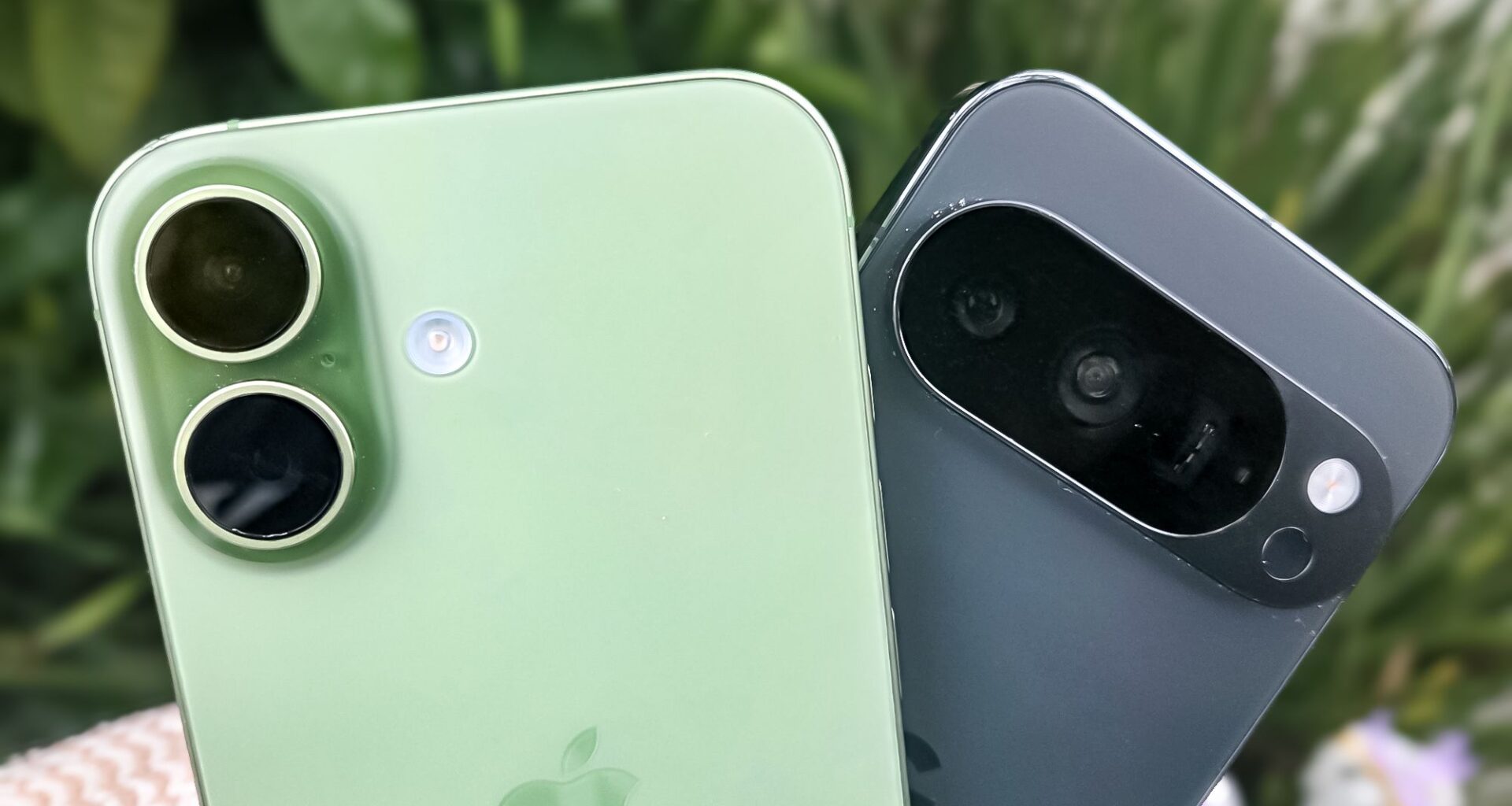
For the past couple years, Apple has offered a tempting compromise for mobile photographers who want to zoom in for a shot but don’t necessarily want to pay up for a phone that features a dedicated telephoto lens. From the iPhone 15 onward, Apple’s entry-level flagship has offered a 48MP main lens that can crop in on scenes to produce the equivalent of a 2x optical zoom.
It’s been an effective solution, at least when I’ve tried out zoom shots on older iPhones. For longer zooms, you’d be better off turning to a phone with a physical telephoto lens whether that’s one of the iPhone Pro models or one of the many Android devices that challenge Apple’s offerings for the title of best camera phone. But as a way to put some zoom power in the hands of people who don’t want to pay $1,000 or more for a phone, Apple’s approach has worked.
The challenge is, things rarely stay the same in the world of phones. While the iPhone 17 that came out this fall still sports that 48MP lens with its 2x equivalent zoom, other phone makers have upped the stakes. Google’s Pixel 10, for example, now has a dedicated zoom lens of its own — a 10.8MP shooter that supports a 5x zoom.
Best picks for you
Is the standard iPhone in danger of falling behind? To find out, I took an iPhone 17 and a Pixel 10 Pro out in the field to capture a series of zoom shots. While I’d expect the iPhone to have trouble keeping up with the Pixel 10 Pro’s more premium zoom camera, I was curious to see how big the gap actually was and whether the $200 difference in price — the iPhone costs $799, compared to $999 for the Pixel — could justify the difference in zoom power.
iPhone 17 vs. Pixel 10 Pro: How the camera setups compare
For zoom shots on the iPhone 17, we’re using that phone’s 48MP sensor. By default, that lens captures images at 24MP, but when you zoom in, the resolution scales down to 12MP. Apple promises optical quality at 2x, but beyond that, you’re getting a digital zoom that increases the possibility of fuzziness around the image. Zooming tops out at 10x.
The Pixel 10 Pro I used in this zoom shoot-out features a higher resolution sensor than the one on the standard Pixel 10. It’s a 48MP camera that supports a 5x optical zoom.
Beyond that, the Pixel 10 Pro taps into Google’s Pro Res Zoom feature that uses photo processing and AI to fill in details to be sharper in the final image. Pro Res Zoom goes up to 100x on the Pixel’s Pro models, though we’ll not explore those lofty heights here, since that’s beyond what the iPhone 17 can support.
iPhone 17 vs. Pixel 10 Pro: Zoom photo comparisonsSan Francisco Ferry Building
Let’s start things out with a look at San Francisco’s Ferry Building shot across the Embarcadero with the help of the zoom features on the iPhone and Pixel. The overcast day might explain why both shots look so dark at 2x, though the Pixel 10 Pro manages to call out a little more color from the clock tower, including some of the different shades of color in the clockface itself. A lot of those details are obscured by shadow in the iPhone 17 photo.
Switching to the 5x zoom that taps into the Pixel 10 Pro’s telephoto lens, details in the clocktower bricks are certainly easier to make out in the Pixel photo. The Pixel 10 Pro also kept the flags fluttering in the breeze fairly sharp while there’s a little bit of blur in the iPhone 17 shot.
Don’t miss these
Apart from the flags, the iPhone 17’s 5x zoom is still fairly focused, though once again, shadows are a bit more pronounced to the image’s detriment.
Flagpole
Another overcast day means more dark pictures from both the iPhone 17 and the Pixel 10 Pro. At 2x, both images look pretty similar, though you could argue that the Pixel handles colors with a bit more balance.
I think the more telling detail, though, is how sharp the U.S. flag looks in the iPhone’s shot. There’s little noise introduced by the zoom and the folds and billows on the flag are nicely detailed. You wouldn’t know this is a zoom shot captured by a regular camera lens, which is the point of this exercise.
Extending the zoom to 3x, there’s no real drop-off in quality, at least in terms of sharpness. The edges of the flag remain in focus in the iPhone 17’s photo, though differences in color are becoming more prominent. The blue field in the iPhone 17’s version of the U.S. flag looks a lot darker than what the Pixel produces.
At 5x, the importance of a dedicated zoom lens really becomes apparent, especially in a photo where the image isn’t standing still. The edges of the flag in the iPhone photo are noticeably softer. Colors have become skewed, too, as the red, white and blue look more merlot, cream and navy in the iPhone photo.
Victorian building
A Victorian building looks dark but detailed in the iPhone 17’s 2x zoom — at least until you pull in for a closer look. Some of the lines in the building aren’t nearly as sharp as they look in the Pixel 10 Pro photo. And Google once again does a better job with color reproduction.
This was really the only 2x picture where the iPhone version couldn’t hold its own against what the Pixel produced — curious since it’s a static image that didn’t have the fluttering flags of earlier comparisons.
The iPhone fares a little better in the 5x comparison, as the image appears a bit sharper. But the bird-shaped weather vane lacks definition; the Pixel 10 Pro has the advantage of a 5x lens to render more detail.
Pushing the iPhone to its maximum 10x zoom produced a very muddy shot of the weather vane that was hard to keep in focus. The Pixel 10 Pro photo won’t win any prizes, but at least it’s not a murky shot while the weather vane retains a distinct outline.
Union Square
I tried out the 2x, 5x and 10x zooms on the Dewey Monument in San Francisco;’s Union Square and was heartened to see the iPhone’s 2x zoom return to form. The image is still too dark compared to the Pixel 10 Pro’s shot, but the statue looks sharp against the gray sky. The buildings in the background of the iPhone image also look fairly detailed.
Even at 5x, the iPhone 17 does a respectable job. The wreath looks a little soft, especially compared to how sharp it looks when captured by the Pixel’s zoom lens, but you can also see the details at the base of the statue’s plinth. The brighter Pixel shot makes those flourishes easier to spot, but the iPhone’s zoom doesn’t lag far behind even if it’s leaning on digital effects for its shot.
At 10x, though, the jig is up. The iPhone’s effort looks too muddy to be passable, and the color feels washed out. The Pixel 10 Pro shot remains properly colorful and details still stand out even as the digital zoom kicks in.
Admission Day Monument
An extreme close-up of Douglas Tilden’s Admission Day Monument once again illustrates that a main lens pulling double duty for zooms comes up short the more you pull in. The iPhone’s attempt is one of its better efforts at this zoom length, if only because the statue itself maintains a hard focus. But the photo is very washed out, and details of the pioneer’s face get lost in the over-exposure.
The Pixel 10 Pro doesn’t suffer from that problem, even if the sky in the background looks a bit murky. The details are sharp enough to where you can see the curves and lines on the statue’s face.
iPhone 17 vs. Pixel 10 Pro: Verdict
The Pixel 10 Pro takes the better zoom shots, though with a lens built specifically for that purpose. I was more interested to see if the iPhone’s main camera could keep pace with that zoom lens, and it can — to a point.
While shooting conditions weren’t in the iPhone’s favor, I think the phone’s 2x zooms were close enough to what the Pixel produced. I certainly wouldn’t look at the iPhone 17’s basic zooms and feel shortchanged, even if the Pixel 10 Pro handled color and details with greater aplomb.
The differences begin to arise when you zoom in closer. Some of the 3x and 5x zooms captured by the iPhone turned out all right, but the Pixel shots were visibly better. And anything beyond 5x puts the standard iPhone at a severe disadvantage.
With Google and Samsung both featuring telephoto lenses on their $799 flagships, you do wonder how long the iPhone can make do with turning to its 48MP main camera for help with zooms. For people who want more extreme close-ups, the standard iPhone looks like it’s at more of a disadvantage than ever before.

Follow Tom’s Guide on Google News and add us as a preferred source to get our up-to-date news, analysis, and reviews in your feeds.
More from Tom’s Guide