

More than 10 million pensioners could face income tax bills by 2030 if the chancellor pushes ahead with plans to extend the freeze on tax thresholds.
Income tax thresholds are frozen until 2028, but the chancellor is expected to keep the freeze going until the end of the decade in her Wednesday budget.
This would drag an extra half a million pensioners into the tax net, according to analysis by the consultancy LCP, taking the total to 9.3 million — three quarters of all pensioners.
• A lost decade: what the deep tax freeze will cost you
“But if inflation or wage growth picks up, that total could reach 10 million pensioner taxpayers by the end of the decade,” said Steve Webb, a partner at LCP and former pensions minister.
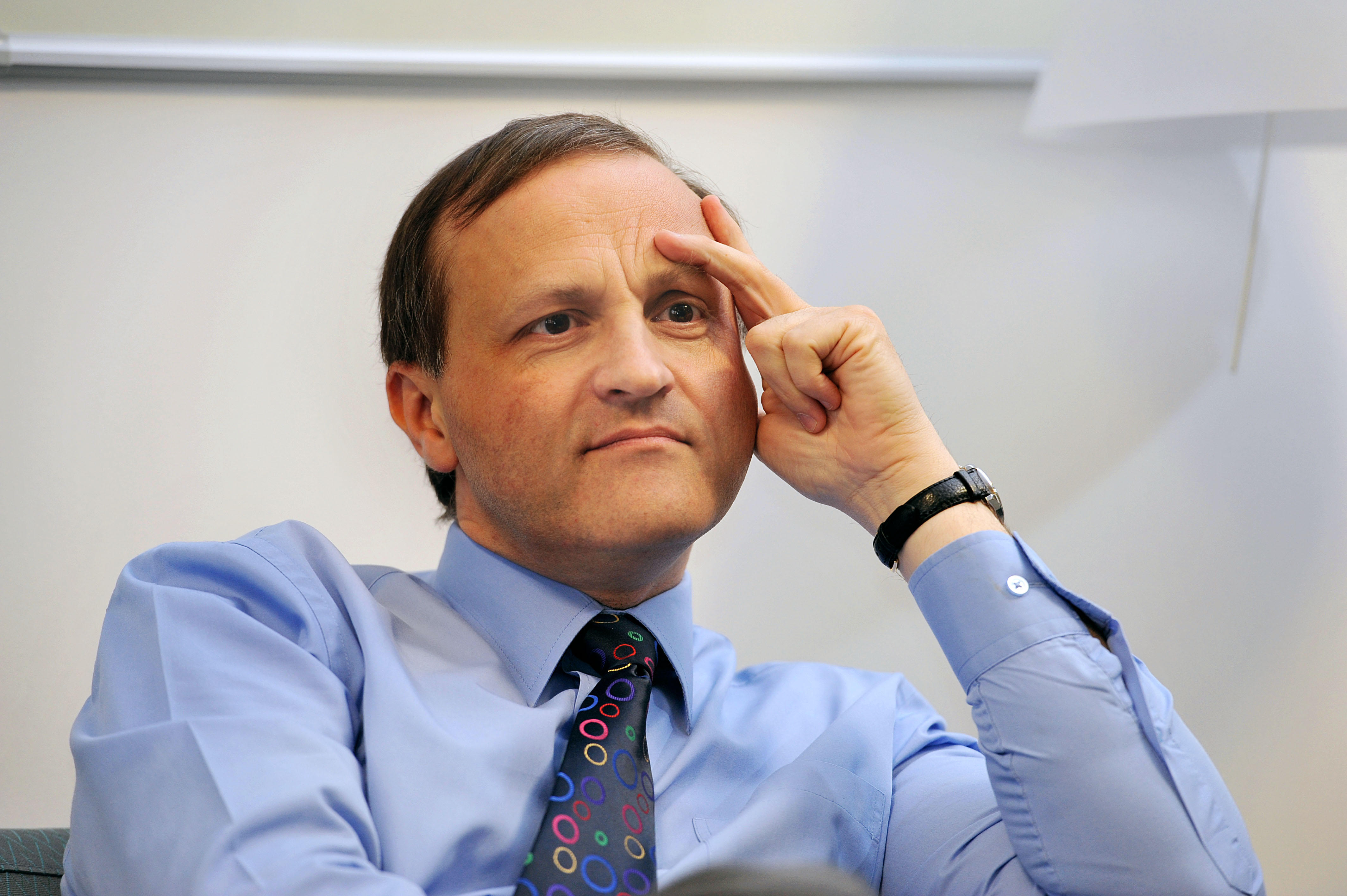
Steve Webb: “The one bit of good news is that most of these pensioners will not need to fill in a tax return”
ALAMY
There are 13.1 million people on a state pension, according to the Department for Work and Pensions (DWP). Of that total, 8.72 million already pay income tax because their income exceeds the £12,570 personal allowance, according to figures from HM Revenue & Customs (HMRC).
This is expected to rise as the triple lock pushes up the state pension each year in line with inflation, wage growth or 2.5 per cent — whichever is highest of the three.
The full new state pension, paid to those who became eligible from 2016, will be worth £12,548 from April 2026, less than £30 shy of the threshold. It means those with even modest supplementary incomes face a tax bill.
• 11 damaging tax rises you won’t hear about in the budget
By 2027, the pension will be worth more than the personal allowance, making the benefit itself taxable.
If thresholds are frozen again, even more pensioners on the old state pension — paid to those who reached pension age before April 2016 — are likely to breach the allowance.
State pension to exceed the tax threshold by 2027
Taxpayers can earn up to £12,570 without incurring a tax bill. Income between this amount and £50,270 incurs a basic rate of income tax of 20 per cent. Earnings above £50,270 incur a higher rate income tax of 40 per cent.
These thresholds have been frozen since 2021. The additional rate of 45 per cent was lowered from £150,000 to £125,140 from April 2023. The £100,000 threshold, above which taxpayers start to lose their personal allowance and other benefits, has been frozen since 2010.
• Ben Wilkinson: The state pension triple lock needs to be retired
Alongside relatively large increases to the state pension and a period of high inflation, this freeze has dragged a large percentage of retired people into paying income tax.
The number of pensioners paying higher-rate tax has also more than doubled since 2021, from 455,000 to 900,000, according to LCP, which analysed figures from the DWP and HMRC. About 124,000 retirees now pay the additional rate of tax, up from 39,000 in 2021.
Webb said: “The one bit of good news is that most of these pensioners will not need to fill in a tax return.” Any tax due will usually be collected via a tax code on private pensions, or through a “simple assessment process” via HMRC, he said.
HMRC has not yet confirmed how it would collect the tax.