
Juries will decide only murder, rape or manslaughter cases under a shake-up of the legal system which could signal the beginning of the end for trial by jury.
The majority of cases will be heard by a judge alone, except for the most serious or those deemed to be in the “public interest”.
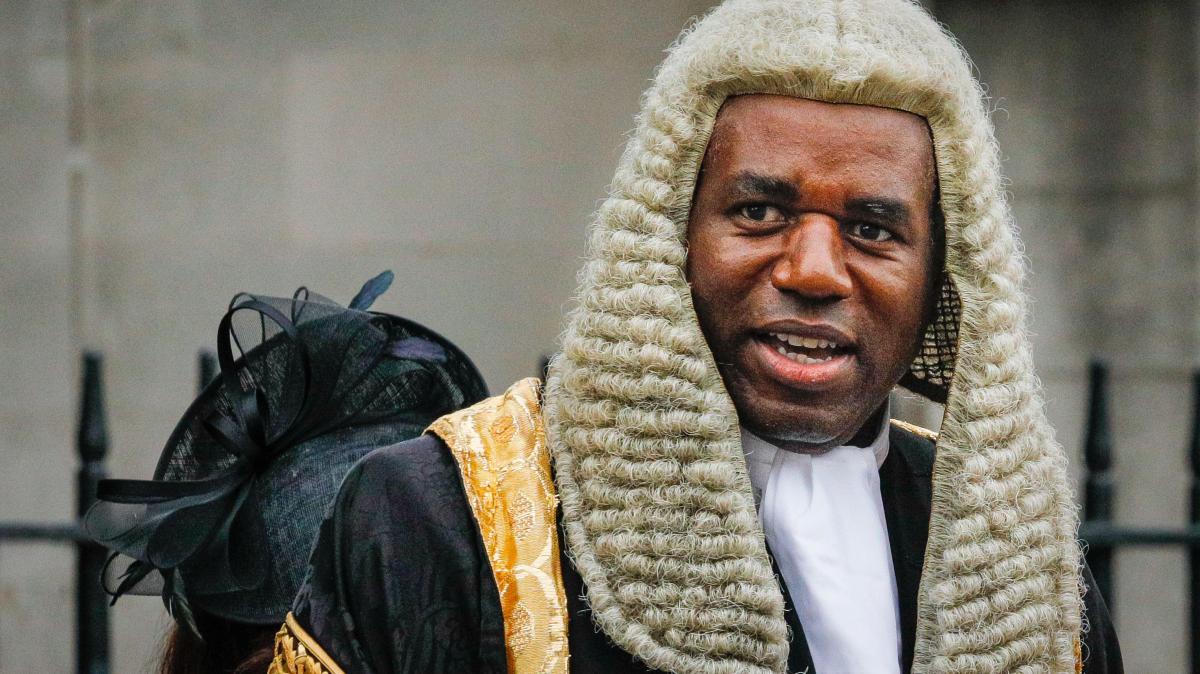
In a memo seen by The Times, David Lammy, the deputy prime minister and justice secretary, wrote to other ministers and senior civil servants in all government departments this month to say that there was “no right” to jury trials in the UK and that drastic action was needed to cut the backlog of cases in the crown courts in England and Wales.
Lammy’s decision to create a new tier of court in which serious criminal offences will be tried by judges alone goes well beyond the recommendations of Sir Brian Leveson, who was commissioned to review the criminal courts and reported in July.
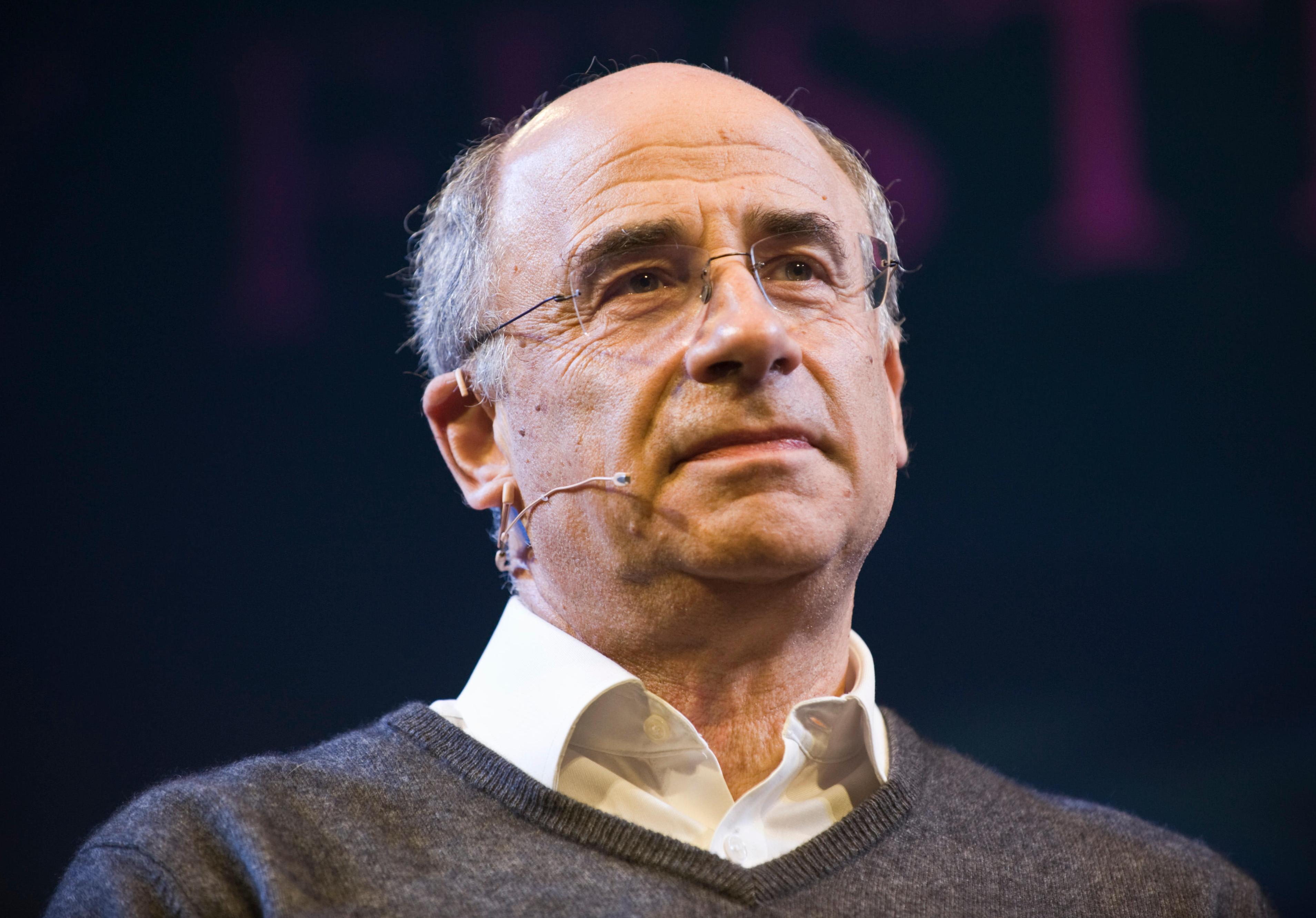
Sir Brian Leveson
JEFF MORGAN/ALAMY
The move will require primary legislation, which is planned for early next year.
Leveson, a former Court of Appeal judge, had been asked to propose ways of reducing the backlog of crown court cases. His main recommendation was the creation of an “intermediate court” in which a judge would sit with two lay magistrates.
Lammy’s note to Whitehall indicated that the government was going to remove the lay element from trials involving many serious offences.
The move will be highly controversial. Senior criminal justice figures have already described the plan as “the biggest assault on our system of liberty in 800 years” and suggested that it would lead to “star chamber” justice. The Star Chamber, which sat between the 15th and 17th centuries and comprised judges hearing cases alone, has become synonymous with arbitrary and even secretive rulings.
Another criminal justice figure said that the move drove “a coach and horses through the idea that this government cares about ordinary people”.
• The public sees jury trials as a basic human right
However, there is mounting concern within government that the record backlog of cases in the crown courts, which is approaching 80,000, shows no sign of falling.
Lammy’s briefing document, headed “sensitive and official”, stated that only rape, murder, manslaughter and “public interest” cases would continue to be heard by juries. All “lower tier” offences would be heard by a judge alone.
This suggests that offences likely to receive a sentence of up to five years would be heard by judges alone and goes further than Leveson’s recommendations. He proposed that a judge and two magistrates should hear cases with a maximum sentence of three years.
It is anticipated that as many as 75 per cent of trials will be heard by a judge alone instead of a jury.

The statue of Justice on top of the Old Bailey
JONATHAN BRADY/PA
Critics argue that the move will “degrade the crown court” and senior criminal justice sources told The Times that the plans would “eviscerate the jury trial as we know it”. One said: “This is basically a Star Chamber or French justice — it is the end of the right to jury trial.”
Commenting on Lammy’s memo, Riel Karmy-Jones KC, the chairman of the Criminal Bar Association, said: “This is beginning to smell like a co-ordinated campaign against public justice.”
The KC added that as an attempt to cut the crown court backlog, the government’s proposals “simply won’t work — it is not the magic pill that they promise’.
She said that the consequences of Lammy’s plan would be “to destroy a criminal justice system that has been the pride of this country for centuries, and to destroy justice as we know it,” adding that minister were “using the backlog as a pretext for restricting the right to jury trial — and to exclude or limit ordinary people from being involved in the cases that matter to them the most”.
Karmy-Jones said that juries were “not the cause of the backlog. The cause is the systematic underfunding and neglect that has been perpetrated by this government and its predecessors for years”.
Lammy’s reforms would cover all prosecutions, including those brought by the Serious Fraud Office and the Environment Agency. It is anticipated that the government will also remove the automatic right to appeal against convictions.
Magistrates are set to have their sentencing powers significantly increased from the maximum prison term of six months to 24 months.
Under the heading “what do these proposals mean for your department?”, Lammy told government departments that the plans would not compromise suspects’ rights and suggested that “there is no right to trial by jury”.
The move marks a departure from Lammy’s past views. In a social media comment posted five years ago, he said: “Trials are a fundamental part of our democratic settlement. Criminal trials without juries are a bad idea.”
• All eyes on David Lammy’s return to the Ministry of Justice
In 2017 Lammy was commissioned by David Cameron’s government to conduct an independent review of racism in the criminal justice system. That review strongly backed the role of juries, saying that they “deliberate as a group through open discussion. This both deters and exposes prejudice and unintended bias: judgments must be justified to others. Successive studies have shown that juries deliver equitable results, regardless of the ethnic make-up of the jury, or the defendant in question.”
His report concluded that the jury system was “a success story of our justice system”. Lammy referred to that review when he was sworn in as lord chancellor in September.
A Ministry of Justice spokeswoman said that “no final decision” had been taken on the future of juries. She added: “We have been clear there is a crisis in the courts, causing pain and anguish to victims — with 78,000 cases in the backlog and rising — which will require bold action to put right.”