
(Credits: Far Out / The Bigger Picture)
Tue 25 November 2025 13:30, UK
There are few images in music, as iconic as Freddie Mercury with his hand aloft, in front of an adoring Live Aid crowd.
Queen’s performance that day stole the show, and announced Mercury as one of the greatest live performers of a generation. But moreover, it etched the importance of Live Aid as an event in the touchstones of history. Here, on a wide scale, art and philanthropy were coalescing, and mega stars were using their reach for a very direct and obvious purpose.
Not only did Mercury and Queen provide a show that was good enough in its own right, but it was also placed on a bill that was genuinely jam-packed with music royalty. David Bowie, Paul McCartney and Bob Dylan were but a few of the names sharing the stage with Mercury that day, and they raised the bar for socially conscious mainstream art.
Or did they? Because a decade before Live Aid, George Harrison delivered what his collaborator Tom Petty described as the pinnacle of artistic philanthropy. Because ultimately, Live Aid benefitted from the introduction of live broadcasting, which allowed for it to be projected onto the world and thus the performances immediately iconised in history.
But during Harrison’s event, The Concert For Bangladesh, the experience was one of unique purity. Sure, there was a retrospective film put together, but the magic of the show was largely served for those who attended. Staged in Madison Square Garden, Harrison curated the benefit concert in aid of refugees following the Bangladesh Liberation War-related genocide and the 1970 Bhola cyclone, and became the pinnacle of musical fundraising.
George Harrison, Ravi Shankar, Bob Dylan, Ringo Starr, Eric Clapton, Billy Preston, and Leon Russell all performed at the event, which helped begin a domino effect that would ultimately result in the truly seismic 1984 Live Aid. And Harrison’s longtime friend and collaborator, Tom Petty, was clear to highlight that when paying tribute to him in 2004.
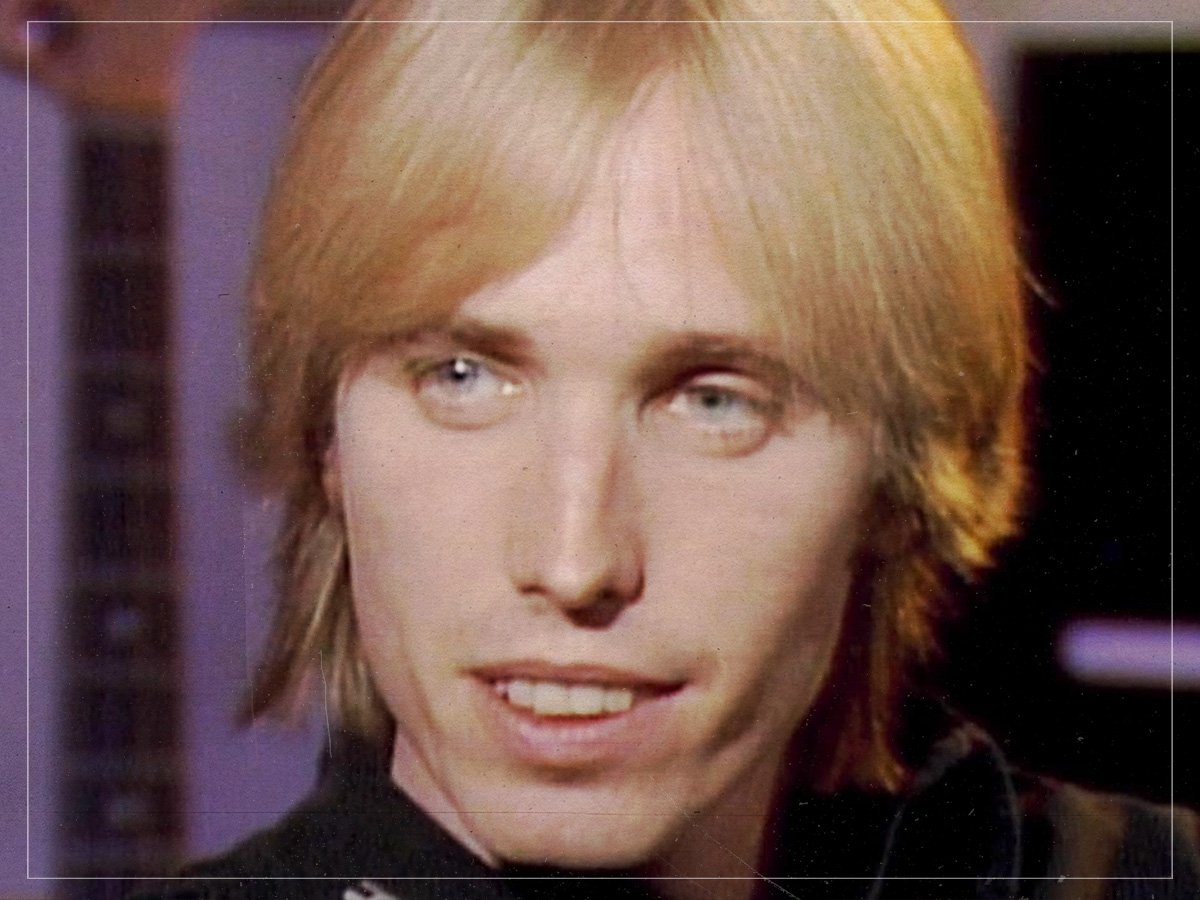
He said, “George really was a man who lived every single minute of his life. He really filled a room. He was a very upbeat person, had a very keen sense of humour, and a very keen sense of spirit. He was never preachy. He led by example. Years before Live Aid, George invented the idea of rock and roll, giving back to the people.”
Rock and roll for the people is exactly what it was also. A reported $250,000 was raised through gate fees, while the album and film later raised a reported $12million for Bangladesh, making it one of the highlights of Harrison’s career.
A highlight because of how earnest and philanthropic he was throughout his entire career, but also because of what it meant for his own personal career. Staged in 1971, it was one of the first times Harrison could perform as a solo artist and rediscover his love for live music, having spent the previous five years in performative exile. It marked the beginning of his new career, one that would see him giving music back to the people regularly, whether it be in a solo context or with The Traveling Wilbury’s.
Related Topics