
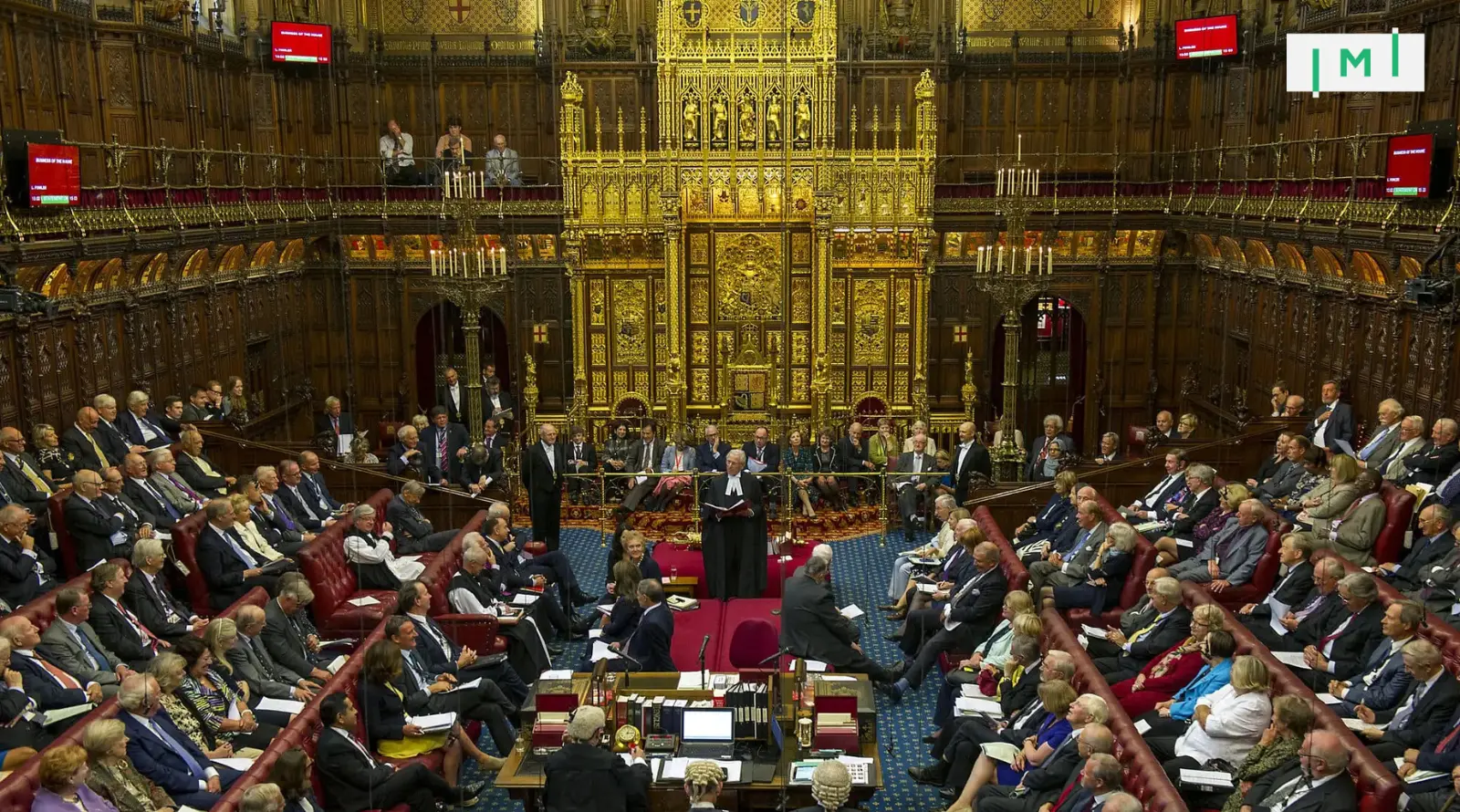
UK lawmakers are urging the government to reintroduce an investor visa to stem capital flight and channel funds into public services and infrastructure.
A group of predominantly Conservative-aligned members of the House of Lords wrote to Prime Minister Keir Starmer, calling for the creation of a new investor visa with a minimum investment of £2.5 million, directed to public services and national infrastructure.
They warned that “capital and talent” continue to depart and urged ministers to act.
This comes after the government unveiled a fast‑track residency pathway for high earners last week, and ahead of Chancellor Rachel Reeves’s Budget vote this week, which seeks to levy a 20% exit tax on departing residents.
A pre‑budget investment summit at the House of Lords last week gathered lawyers and investor groups to make the case for a new investor visa, according to Farzin Yazdi, Head of Investor Visa at Shard Capital Partners, who attended and helped persuade lawmakers to consider reintroducing an investor visa.
He said he proposed reviving the UK Investor Visa with stricter safeguards: Independent annual enhanced due diligence (including source of wealth), mandatory investments of £2.5 million into British Business Bank–approved funds until ILR, full transparency on outcomes (e.g., jobs created), and alignment of immigration, financial, and tax rules.
A message from our partners

As such, he welcomed the news of the MPs’ letter to Stramer as a good sign that they recognize the “economic value of a well‑designed investment residency scheme.”
The proposal comes half a year after reports emerged that the Labour government was considering a new investor visa tied to innovative activity and investment within the UK.
Investor Visa Revival Meets Looming Exit Tax
Leslie MacLeod‑Miller, Chief Executive of Foreign Investors for Britain, who also attended the summit, criticized the government’s tax strategy and urged swift action to keep investors in the UK and curb capital outflows.
He cited reports of a record number of wealthy foreign residents leaving after the investor visa’s abolition, the end of the non‑dom regime, and, more recently, plans to levy and 20% exit tax, which face a Budget vote this week.
He pointed to independent research by Oxford Economics, which estimates the government’s non‑dom reforms, especially extending UK inheritance tax to non‑UK assets, will cost the Treasury about £1 billion a year, with 83% of respondents viewing worldwide inheritance tax as a red line.
 Leslie MacLeod‑Miller and Farzin Yazdi (left to right), pictured at the House of Lords’ pre-budget investment summit last week
MacLeod‑Miller warned Chancellor Reeves that such taxation policies, including the impending exit tax, risk “dragging down not only herself but the entire government,” adding that investors and the public are “fed up with excuses” and that “the time for bold action is now.”
He described a potential investor visa as a “critical lifeline” to restore internationally mobile capital to the UK, arguing that trying to plug the fiscal gap with ever‑higher levies “only accelerates disaster.”
The issue, he added, is the difference between “making hard decisions” and “demonstrating incompetence.”
Nearly 11,000 millionaires left the UK in 2024, a trend that accelerated after the non‑dom regime was abolished in October 2024. Henley now forecasts that an additional 16,500 millionaires will relocate from the UK by the end of 2025.