
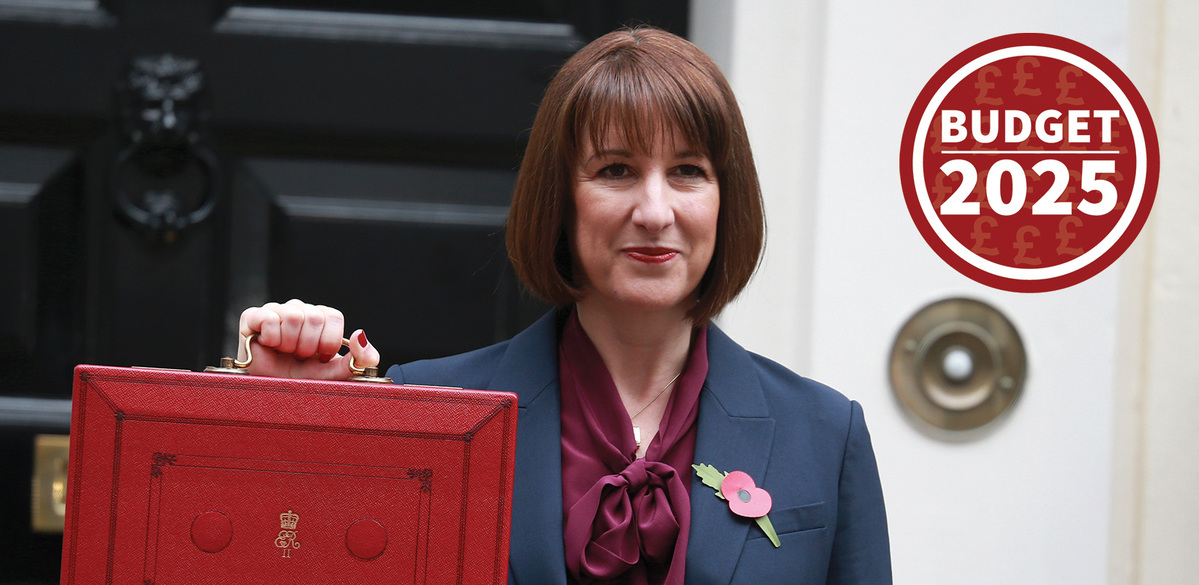
Rachel Reeves’ second main Budget since becoming chancellor has brought some major announcements for hospitality, including increases in minimum pay and a permanent reduction in business rates.
Here are some of the key policy changes.
Business rates
The chancellor reconfirmed plans to introduce permanently lower tax rates for more than 750,000 retail, hospitality and leisure properties in England from 2026/27. This will be paid for by a higher multiplier on properties worth over £500,000.
The multipliers for retail, hospitality and leisure properties will be 5p below their national equivalents, which UKHospitality said was a quarter of the maximum 20p discount proposed last year. The trade body said changes to business rates valuations meant many hospitality firms’ tax bills would still “significantly rise”.
Reeves also failed to announce an exemption for hospitality venues subject to the higher rates.
She said a package of support worth over £4.3b would be provided for properties of any size seeing a large increase in their bill.
A policy document setting out the 2026-27 multipliers has been released by the government.
Minimum wage
The National Living Wage is set to rise by 50p an hour to £12.71 from April 2026, equivalent to an extra £900 a year for a full-time worker.
The minimum wage for 18- to 20-year-olds will jump by 85p to £10.85 per hour, a higher than expected increase, as the government looks to eventually phase out the lower pay band into a single adult rate.
Apprentices and those aged 16-17 will see their hourly pay rise by 55p an hour to £8.
Reeves said the rise would help address the cost of living, but UKHospitality warned it would be passed on to customers via price increases.
The trade body said the changes would cost the hospitality industry an extra £1.4b and warned it would deter firms from hiring younger workers.
Apprenticeships
Reeves announced funding to make training for apprenticeships for under 25-year-olds completely free for small and medium-sized businesses. This is designed to boost the government’s Youth Guarantee plans, which will offer young people who have been out of a job or education for 18 months a guaranteed paid work placement.
Alcohol duty
All alcohol duty rates will rise in line with Retail Price Index (RPI) inflation at 3.66% from 1 February 2026.
The Wine and Spirits Trade Association (WSTA) said this would mean duty will go up by 11p on a bottle of Prosecco, 13p on a bottle of red wine and 38p for a bottle of gin.
Licensing reform
Reeves said the new National Licensing Policy Framework would encourage councils to “back our pubs and to back late-night venues with greater freedoms”. The scheme was announced in the summer and is designed to modernise outdated planning and licensing rules by cutting red tape around opening and operating hospitality venues.
This will include the introduction of ‘hospitality zones’, where permissions for alfresco dining, street parties and extended opening hours will be fast-tracked.
A framework for licensing authorities has been published today (26 November) and will be reviewed in six months’ time.
Asylum hotels
The government has already clawed back more than £70m in excess profits made by companies running asylum accommodation, and the chancellor said this would continue as part of a plan to phase out the use of hotels entirely. Companies including Britannia Hotels have previously had properties block-booked by the government.
Tourist taxes
Ahead of the Budget it was announced that mayors in England will be given the power to impose a charge on visitors staying overnight in hotels, bed and breakfasts, guest houses and holiday lets.
The government said the funds raised from the charge could be invested in local transport, infrastructure and to support the visitor economy.
UKHospitality said the extra fee would be passed on to consumers and undermine the government’s aim of reducing the cost of living.
The move will bring England in line with Scotland and Wales, which are already introducing similar taxes.
Soft drinks levy
The sugar tax will be extended to include pre-packaged milk-based drinks, such as ready-to-drink coffees, sweetened yogurt drinks and supermarket milkshakes. However, open top drinks made in cafés and restaurants will be exempt.
The tax came into force in 2018 and applies to drinks with at least 5g of sugar per 100ml, but the threshold will now be lowered to 4.5g per 100ml. Manufacturers have until January 2028 to remove sugar or face the new charge.
Income taxes
Personal tax thresholds will be frozen for a further three years, pulling more people into higher tax brackets. This will be an added squeeze on the finances of hospitality’s increasingly cost-conscious customers.
What was missing?
There was no cut in the 20% hospitality VAT rate or a reduction in employer’s National Insurance Contributions, which the industry had called for to help reduce the burden on businesses.
Plans to introduce a 20% inheritance tax on businesses worth more than £1m from April 2026 remain in place, despite campaigning from UKHospitality and other trade groups, including farmers. However, the government is allowing spouses to transfer any of their £1m allowance before inheritance tax kicks in between partners. This means if one partner dies and only uses part of their allowance, the surviving partner could have an allowance of more than £1m.