
And all of this is on top of tax increases worth £40 billion in last year’s budget.
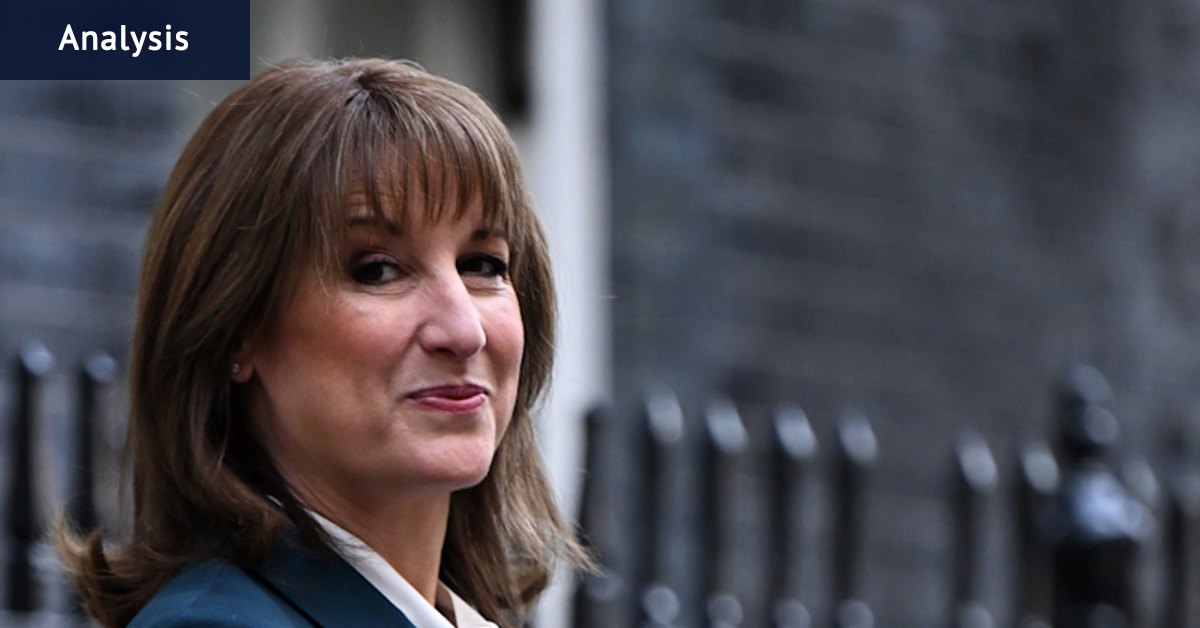
Labour is making no bones about its targets. The chancellor, Rachel Reeves, told parliament on Wednesday afternoon (about midnight, AEDT) that she wanted to lift tax rates on income from property, savings and dividends.
Loading
“I will make further reforms to our tax system today to make it fairer – and to ensure the wealthiest contribute the most,” she said.
The new property tax will hit many parts of London and the wealthier regional cities, where families already struggle to buy a home. The “high-value council tax surcharge” will start at £2500 per year in England for residential properties worth £2 million or more.
The benchmark is very high for most workers, but the base level is about the price of a modern three-bedroom flat in Notting Hill or a two-bedroom in Chelsea – which goes to show that looking for property in fashionable London is only a game for the wealthy.
Reeves, again, is unapologetic about making some people pay more. In her budget speech, she said a landlord with income of £25,000 currently pays about £1200 less in tax each year than a tenant who gets the same income as a salary.
Does that make her a modern Robin Hood? Not at all. Most workers who pay tax are not getting money back from the government for the simple reason that there is no money to spare.
The fact is that Britain’s finances are in a dire state after years of deficits. Despite the tax grabs in this week’s budget, the national debt will be slightly higher as a percentage of the economy than projected in March, says the independent Office for Budget Responsibility (OBR).
That is partly because the OBR expects the economy to grow more slowly over the next few years, eking out 1.5 per cent a year compared to the earlier outlook for 1.8 per cent.
Gloom on the streets
The official forecast matches the gloom on the streets, where small stores complain about shoplifting. While the restaurants are full in the glitzier parts of London, things are quieter in areas where tourists do not roam.
Britain’s net financial debt will reach £2.6 trillion this year – and Reeves is warning that 10 per cent of government spending now goes on the interest bill. In Australia, according to the Parliamentary Budget Office, the bill is 3.6 per cent of outlays.
This highlights a far more dangerous dynamic for Britain than Australia. Put simply, the markets are dictating terms to London in a way Canberra is yet to see. The more Britain borrows, the edgier the markets get.
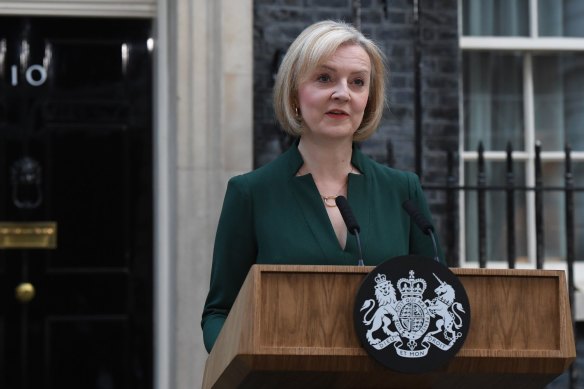
Liz Truss resigned after just 49 days in office, making her Britain’s shortest-serving prime minister.Credit: Bloomberg
While Australia has an AAA credit rating, the UK is considered AA and has a troubled history with the markets. Liz Truss and Kwasi Kwarteng, as prime minister and chancellor of the exchequer, triggered a crisis in October 2022 with their budget plans; both were gone soon afterwards.
Reeves could not keep the markets calm without her tax hikes. She could, in theory, slash spending, but the Labour backbench is already restive about the leadership and rebelled against welfare cuts in July. It wanted more spending on welfare, not less. Starmer and Reeves chose not to argue.
And this produced the big winners on budget day: families on income support with more than two children. The Conservatives stopped families getting benefits for more than their second child, but Labour will reinstate the old regime.
Low-income families will receive more money for their children, funded by higher taxes on workers. Reeves says she is proud to be acting on child poverty, but the debate will grow about the scale of the tax burden and the size of the welfare state.
If productivity is lower than the government assumes, the deficits will continue for the decade ahead. And the fact is that British productivity is in the doldrums.
In the end, the markets seemed to welcome the new plan. The pound rose against the US dollar and the euro. The borrowing costs on British government bonds fell.
This was the most important reaction to the budget, given the size of the British debt, but it has no visibility for most of the British media or the public. The run-up to the budget has been dominated by ferocious complaints about tax increases and spending cuts, with scant mention of the size of the interest bill on years of carefree borrowing.
Reeves had a glowing forecast for parliament. She said the deficit would be £28.8bn in 2026-27 and then shrink to £4.6 billion the following year. By the subsequent year, she said, Britain would be posting a £3.9 billion surplus, with much bigger ones after that.
The forecasts, of course, hardly ever turn out to be true. There is a warning in the analysis from the independent OBR about how it could all go wrong. If productivity is lower than the government assumes, the deficits will continue for the decade ahead. And the fact is that British productivity is in the doldrums.
Starmer and Reeves need an economic revival to deliver the budget recovery they promise. The soundtrack to their budget comes from Dusty Springfield, who lived near Notting Hill in the days it was affordable: wishing and a-hoping.