
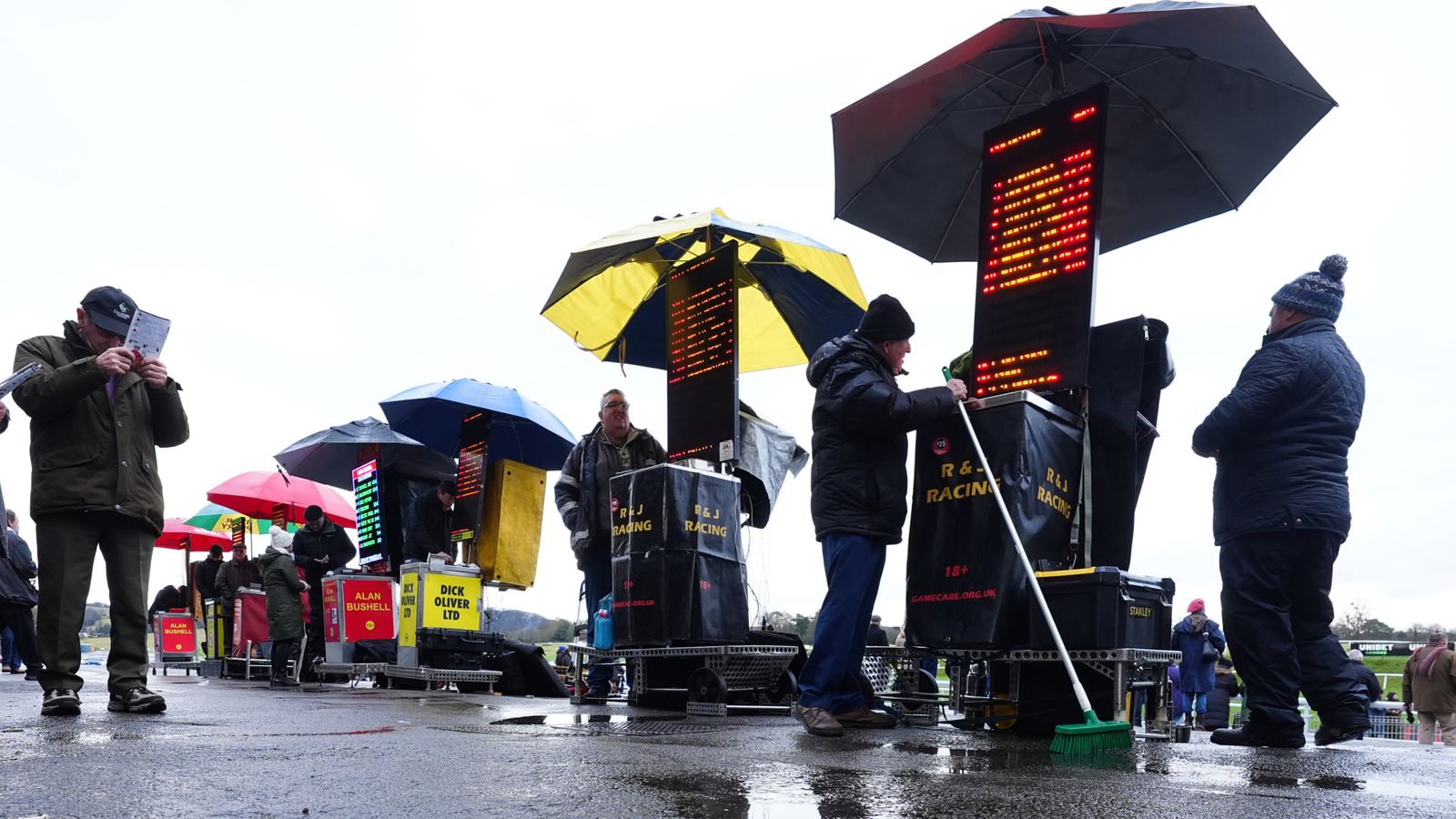
Fears of a marked rise in betting duty on racing have been allayed in the Budget announced by Chancellor Rachel Reeves, although tax on other forms of gambling will be increased.
Tax on horse racing bets, both in shops and online, will remain unchanged at 15 per cent, news which comes following a campaign against the idea of harmonising gambling duties.
Such had been the concerns within the racing industry of the impact of gambling tax rises that an unprecedented day of strike action was held on September 10.
The scheduled meetings at Carlisle, Lingfield, Kempton and Uttoxeter were all cancelled, while many of the sport’s leading figures gathered at Westminster for the British Horseracing Authority-led ‘Axe The Racing Tax’ event.
Economic analysis commissioned by the BHA suggested a rise from 15 per cent to 21 per cent, the current rate of remote gaming duty, could cost the sport at least £66m and put 2,752 jobs at risk in the first year, in what BHA chair Lord Allen termed “nothing short of an existential threat for our sport”.
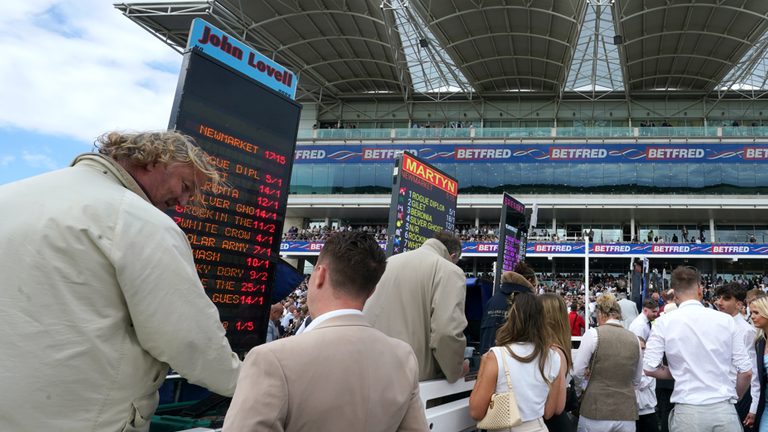
Image:
An unprecedented day of strike action was held on September 10 amid fears of increases in betting duty
That threat is now lifted with confirmation duty will not be adjusted, but the government does expect to raise over £1bn by 2031 through changes to other gambling taxes.
General betting duty, paid on other forms of sports betting, will remain at 15 per cent in betting shops, but will rise to 25 per cent online, while remote gaming duty, paid on online casino betting, will rise from 21 to 40 per cent.
Machine betting duty, paid on land-based betting terminals such as those in betting shops, has not been adjusted.
Bookmakers had warned ahead of the Budget that any changes impacting their profits could have a knock-on effect for racing, with the potential for less generous odds and betting shop closures. Racing receives income through media rights payments and the levy from every shop.
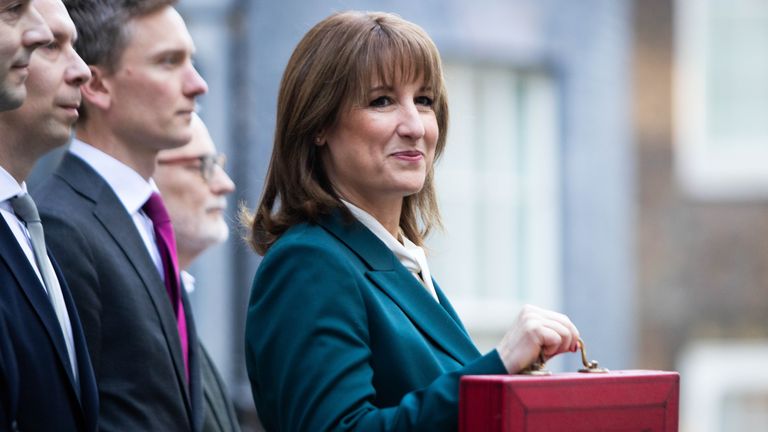
Image:
Increases in the online sports betting levy to 25% and remote gaming to 40 per cent are estimated to raise £1bn by 2031
Why was this Budget seen as so important?
Sky Sports News’ Geraint Hughes:
In short, racing feared for it’s financial future.
With it well known the Chancellor would be seeking to raise taxes in this Budget, and that there was an expectation the gambling industry would be set to bear a greater load of tax, racing has been preparing for some time to lobby and explain to MPs and to the government that any hike on the current 15 per cent Racing Tax would be damaging to the sport.
In September, all race meetings were suspended for a day and instead racing descended on Parliament as part of the sport’s ‘Axe the Racing Tax’ campaign.
The impact on a tax rise on racing was explained in terms of income lost and the jobs that could be at risk. The British Horseracing Authority (BHA) had commissioned research that stated a six per cent tax rise on racing would result in a £66m loss in income in the first year rising to £330m over five years – with nearly 3,000 jobs within the industry at risk within the first 12 months.
Racing primarily receives income through media rights payments and the levy from every betting shop. BHA chair Lord Allen has said a rise in tax on Racing woud be “nothing short of an existential threat for our sport”.
What has happened today?
Sky Sports News’ Geraint Hughes:
The Chancellor did not raise tax on betting on racing.
Victory, reprieve, or relief. Call it whichever you want, but Chancellor Rachel Reeves confirmed to Parliament that she would not be raising duty/tax on racing on Wednesday. It’s rate will remain at 15 per cent on bets placed at bookmakers in person and online.
Racing had felt prior to the Budget they had united well as an industry to present a compelling case to Government, but despite leaks in recent weeks and days, until the Chancellor and the Office for Budget Responsibility (OBR) confirmed this, the sport was anxious.
A huge sigh of relief was certainly a first emotion upon the news. While other taxes within gambling may have an effect on incomes for betting companies, for racing, the worst case scenario has been avoided.
General betting duty, paid on other forms of sports betting including football, will remain at 15 per cent in betting shops, but will rise to 25 per cent online, while remote gaming duty paid on online casino betting will rise from 21 to 40 per cent. Machine betting duty, paid on land-based betting terminals such as those in betting shops, has not been adjusted.
What has been racing’s response?
The BHA, speaking on behalf of British racing, said it “welcomed” the Chancellor’s decision. BHA acting chief executive Brant Dunshea said: “Today’s welcome outcome demonstrates that the Chancellor has listened to our concerns and rightly recognised that racing is a unique national asset – culturally, socially and economically – and we welcome this support.
“Betting on racing is an integral part of the enjoyment of our sport, and maintaining the rate of horserace betting duties is an important step by the Government to help preserve revenue streams and protect the 85,000 jobs supported by the racing across the country.
“Racing has been part of the British way of life for hundreds of years. It binds our communities together in shared experience, it brings joy to millions. It puts the country on the world stage. It is right that the Government has understood this and acted accordingly.”
Elsewhere, National Trainers Federation (NTF) chief executive Paul Johnson said: “The Government’s decision to leave racing’s remote betting tax rate unchanged is one that we view with considerable relief.
“On behalf of British racehorse trainers, I welcome the Treasury recognising the economic damage that an increase would have inflicted on the industry and responding to avoid such an outcome.
“Today’s budget sees us live to fight another day, but the sport has work to do, alongside Government, if we are to create a more prosperous future.”