
YouTuber Barny Dillarstone has been sending cameras to the bottom of the Indo-Pacific Ocean in a bid to discover species that are ‘new to science’Matt Jackson Trendswatch Content Editor and Miles O’Leary Senior Content Editor
16:00, 26 Nov 2025
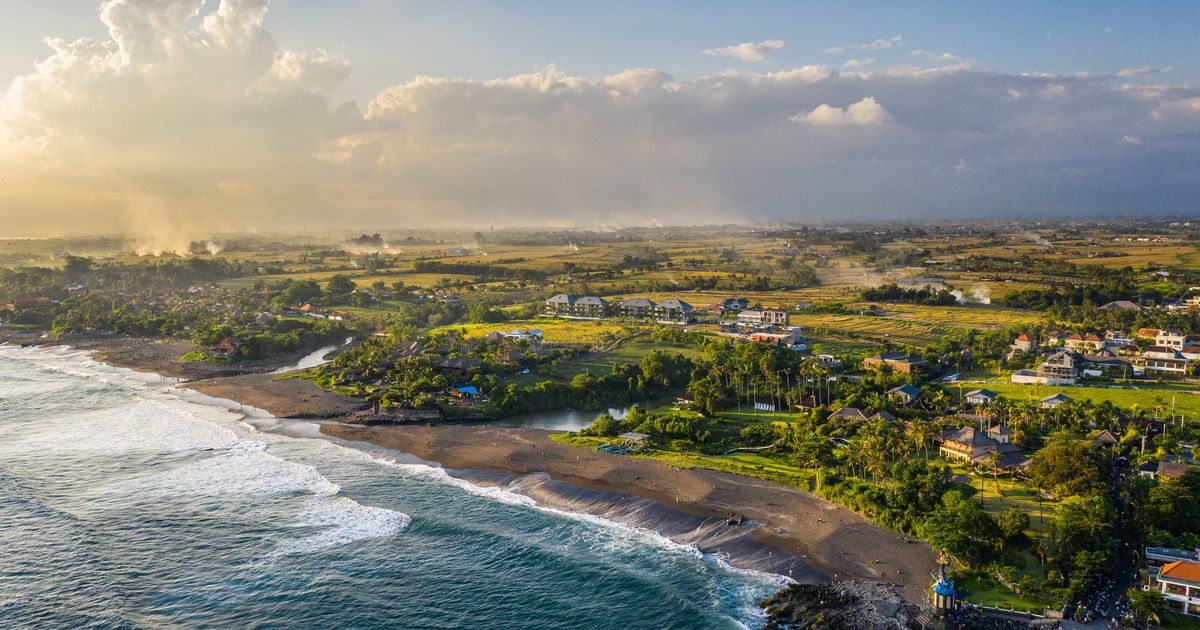
 Barny Dillarstone was exploring the Indonesian Ocean(Image: Getty Images)
Scientists were left baffled after a man lowered a camera to the depths of the Indonesian Ocean. YouTuber Barny Dillarstone has been deploying cameras into the Indo-Pacific waters in an attempt to uncover species that are “new to science”.
His deep-sea cameras have so far recorded “all sorts of strange nocturnal creatures”. The equipment has filmed uncommon marine life including spider crabs, moray eels, and even a scalloped hammerhead shark.
However, Barny recently filmed a species that has left specialists puzzled. At 2am, just off the Bali coastline, Barny and his crew recorded a rare stingray, a species they claim are typically found in Australia.
In his video, published in July, he explained: “This is a deepwater ray and appears to be a species of stingaree from the urulophus genus, a group of small-bodied stingrays with paddle-like tails.
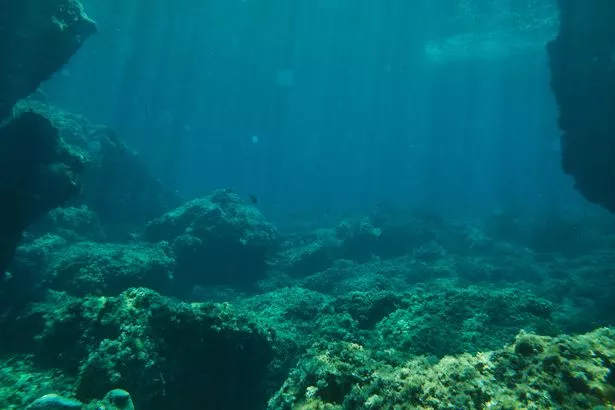 A man left experts floored when he dropped a camera into the ocean(Image: Getty Images)
“The problem though is that stingarees aren’t really supposed to be in Indonesia with almost all of them being endemic to Australia. The Java stingray, once endemic to the nearby island of Java is supposedly extinct, and another species, the kai stingaree, is only known from two juveniles caught as bycatch in eastern Indonesia.”, reports the Mirror.
Barny revealed he consulted with “some of the biggest shark experts in the world” who had no clue what the species his camera filmed was. He wondered whether an Australian species had extended its range, a kai stingaree had matured, or it was the kai stingray.
Barny was left pondering if the species was indeed something entirely “new to science”. According to marine experts Ocean Census, it’s estimated that there are around two million species in the deep sea.
Scientists have so far identified approximately 250,000, leading them to question if there really are “plenty more fish in the sea”. The report suggests that scientists often struggle to reach depths sufficient to discover new fish, plankton and molluscs underwater.
The deepest point, the Mariana Trench, is roughly 10,935 metres below sea level. In contrast, the official height of Mount Everest is 8,848.86m above sea level.
The vastness of the ocean, which covers 71 per cent of Earth, also means that scientists often struggle to determine where to search for new species. And even when they do narrow down search areas, it is believed that many deep sea species are masters at camouflage.
These were challenges faced by Barny and his crew during their “late-night” camera drops. Initially, the rocky landscape meant the camera rig had a “shaky start” as it plunged 200m below the water, but Barny assured viewers it “eventually found its footing”.
In addition to the unidentified stingaree, the content creator also discovered plankton that he says he hadn’t seen before.
He added: “Alongside the crabs and eels, many strange planktonic creatures drifted past the camera, likely attracted to the light, confusing it for the moon.”