
Two of Wall Street’s biggest banks have announced substantial expansion plans in the UK, hours after they were spared increased taxes in Rachel Reeves’s autumn budget.
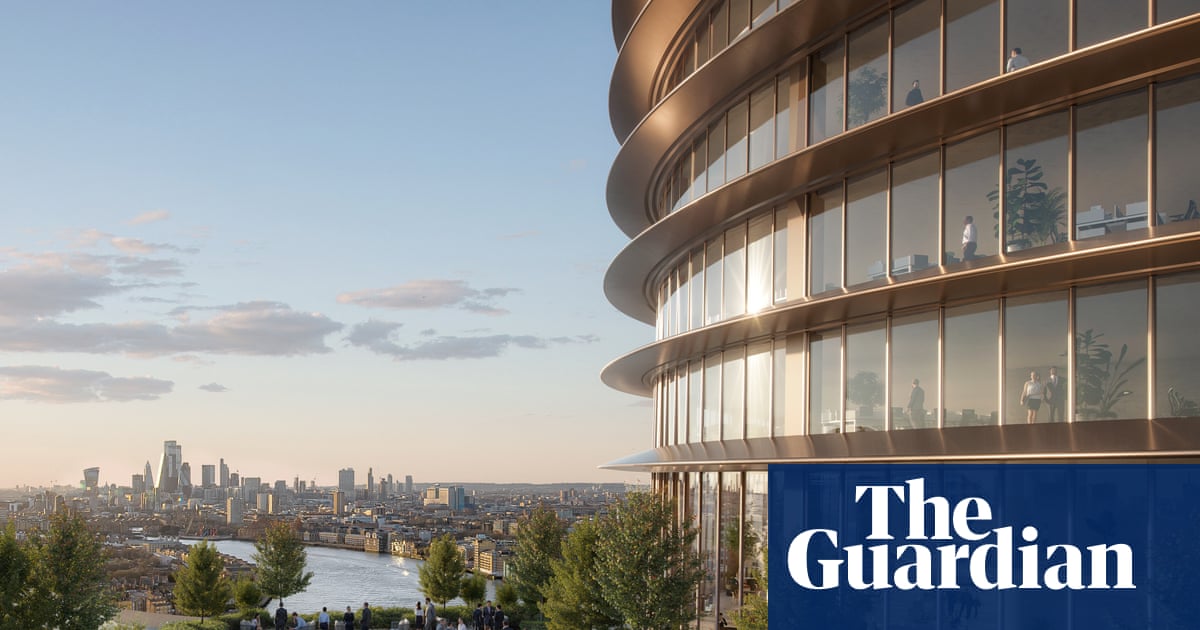
JP Morgan on Thursday revealed plans to build a 3m sq ft tower in Canary Wharf, which will serve as its new UK headquarters and house more than half of its 23,000 UK staff. It is understood the London project will cost £3bn.
The US rival Goldman Sachs said it would expand its Birmingham office and hire 500 staff, in a move that would more than double its workforce in the city.
Banks dodged a tax raid in the chancellor’s budget, having lobbied hard against a higher levy that lenders argued could force them to curb lending and cancel out the benefits of regulatory reforms meant to spur growth.
Reports emerged this week that the Treasury had asked the sector to issue supportive statements about the budget, in exchange for being spared a tax rise.
In a press release announcing the new tower, Reeves said she was thrilled JP Morgan had chosen the capital for the development, describing it as a “multibillion-pound vote of confidence in the UK economy”.
When asked on the BBC’s Today programme whether the banks’ investment plans were linked to the lack of taxes, Reeves said: “The budget that I delivered yesterday is getting investments from some of the biggest companies in that world here in the UK. Those companies can invest anywhere. They are choosing Britain because they liked what they heard in the budget yesterday.”
A source close to JP Morgan said the bank had been working on the announcement for months and that the investment in a new headquarters was a long-term decision rather than related to any individual budget. With markets on Wall Street closed for Thanksgiving, the bank had a quieter period to make the announcement, they added.
Jamie Dimon, JP Morgan’s chief executive and chair, said: “London has been a trading and financial hub for more than a thousand years, and maintaining it as a vibrant place for finance and business is critical to the health of the UK economy.
“This building will represent our lasting commitment to the city, the UK, our clients and our people. The UK government’s priority of economic growth has been a critical factor in helping us make this decision.”
JP Morgan said that, overall, the project was expected to inject almost £10bn into the UK economy, when accounting for the building costs, as well as the suppliers, business activity and employment the project would stimulate.
skip past newsletter promotion
Sign up to Business Today
Get set for the working day – we’ll point you to all the business news and analysis you need every morning
Privacy Notice: Newsletters may contain information about charities, online ads, and content funded by outside parties. If you do not have an account, we will create a guest account for you on theguardian.com to send you this newsletter. You can complete full registration at any time. For more information about how we use your data see our Privacy Policy. We use Google reCaptcha to protect our website and the Google Privacy Policy and Terms of Service apply.
after newsletter promotion
The direct costs of building the tower – the height of which is yet to be confirmed – are thought be close to £3bn.
The headquarters, which will take about six years to build, will be designed Foster + Partners, the British architects behind JP Morgan’s recently completed global headquarters at 270 Park Avenue in New York.
Last month the bank announced a £350m investment in its Bournemouth campus.
Goldman said its Birmingham expansion plans were part of wider investments in tech and AI. A spokesperson added: “We are increasing our financing activities to critical parts of the economy where we see substantial opportunities to deploy capital, including in AI and digital infrastructure, with several billion pounds ready to be committed.”