
“From what I read in the newspapers, our army is not that powerful – so if we have to prepare for the future, maybe it’s a good idea,” said set-designer Brigitte.
But Lalie, a 21-year-old shop assistant, disagreed: “I think there are more important issues. It’s a pity the president is not really interested in young people – their mental health, their financial situation, and instead is focusing on this military service.”
It was in 1996 that then-President Jacques Chirac took the decision to end military service, as part of the peace dividend from the fall of the Soviet Union.
Compulsory military training for young men had been part of national life since the French Revolution, which created the idea of the citizen-soldier.
A 1798 law setting up conscription read: “Every Frenchman is a soldier and is bound to the defence of the homeland.” And after defeat by Prussia in 1871, Republican leader Léon Gambetta said: “When in France a citizen is born, he is born a soldier.”
The Algerian war of independence was the last conflict fought by French conscripts, with more than 12,000 killed.
By the 1990s, service had been reduced to 10 months, with options for civilian work instead.
Since the last conscript passed out in 2001 there have been various, nebulous attempts to retain something of the spirit of military service, which proponents said fostered a sense of cohesion and equality.
Lycée (high-school) students still have to attend a Day of Defence and Citizenship, where they are given lectures on rights and duties, and attend a flag-raising ceremony.
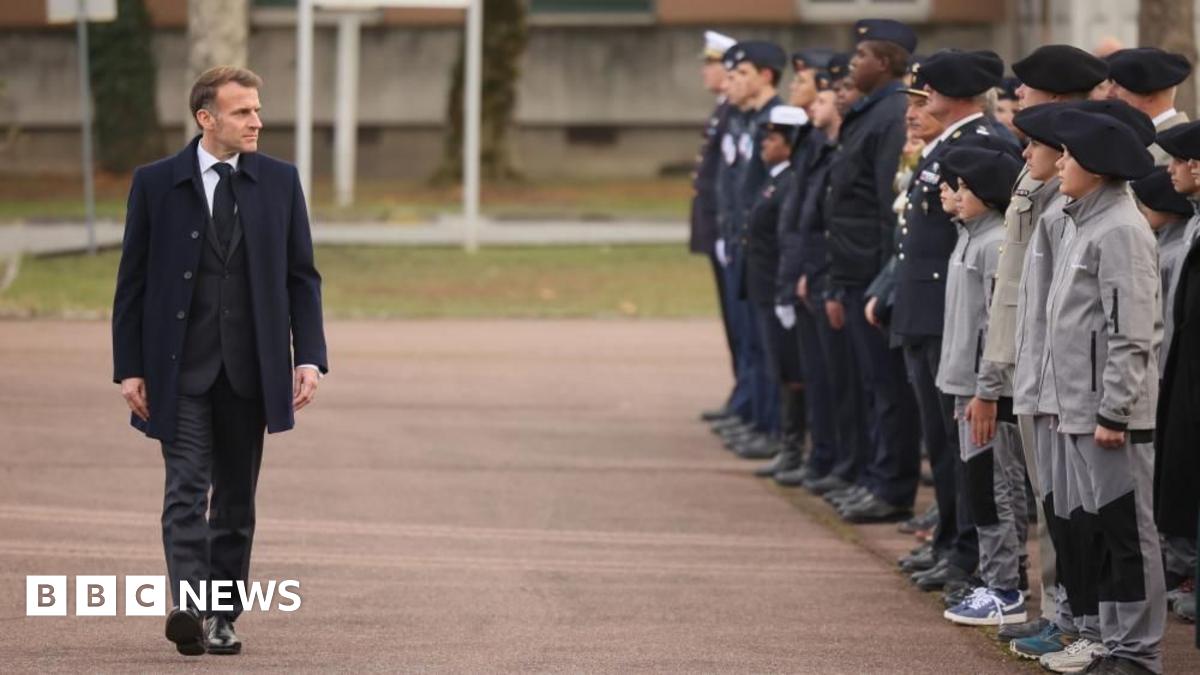
In his first term, Macron also established a Universal National Service – a four-week course in civic responsibilities and practical training – which was supposed to build national solidarity following the terrorist attacks of the 2010s. But the scheme was panned as an expensive and ill-attended form of holiday camp, and was dropped earlier this year.
Though this new scheme appears to enjoy a broadly favourable reception, there are still questions over its funding – with a debt crisis looming over the country and parliament still unable to approve a 2026 budget.