
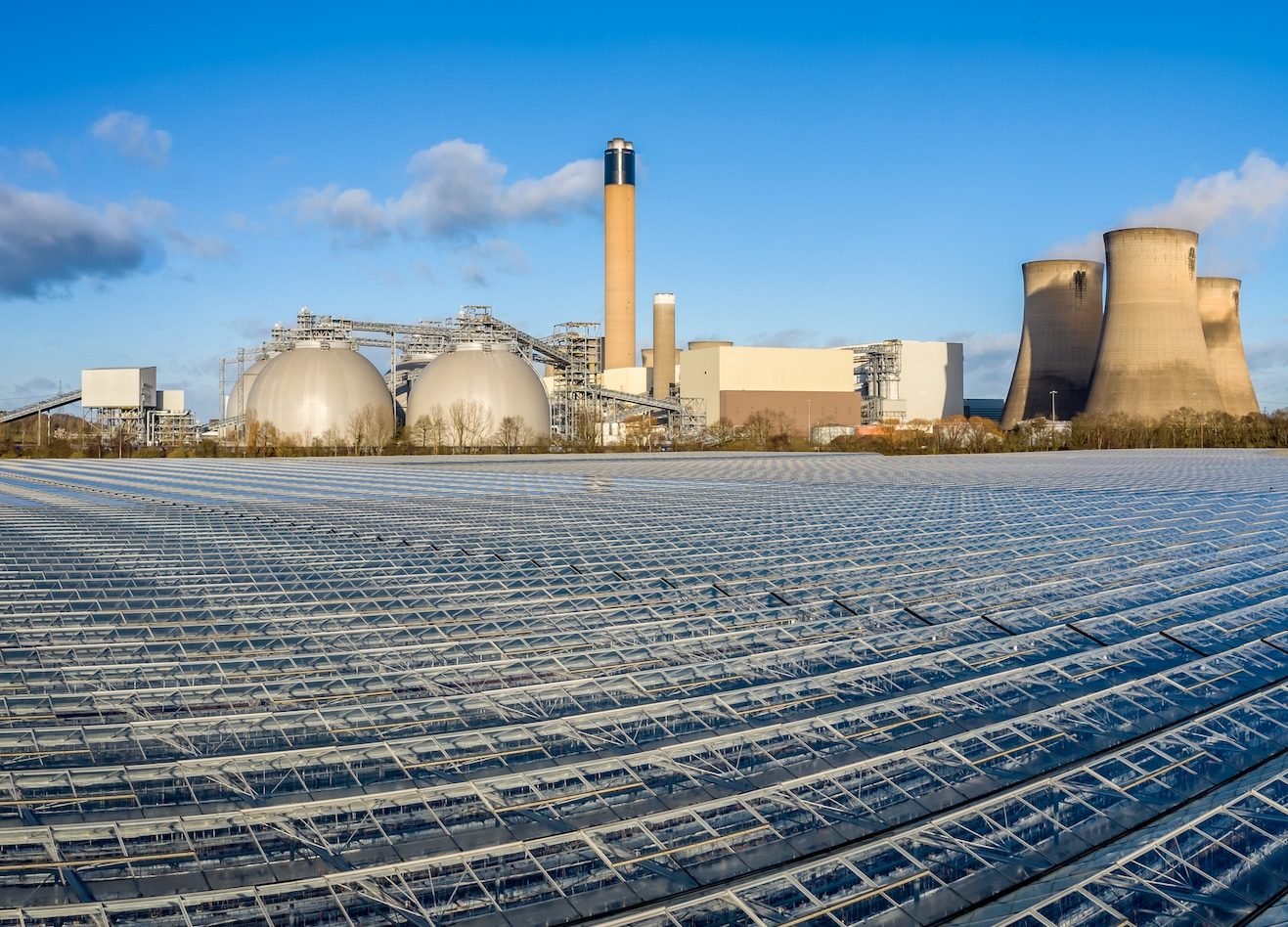
Carbon removals subsidies would increase existing payments to biomass power plants
Drax earned £869 million in public subsidies for unabated biomass power generation in 2024. Drax is now seeking additional support to cover the upfront investment and operational costs of adding carbon capture to its generating units, which Drax claims could remove up to 16 MtCO2 annually. If built, carbon capture at biomass power plants could receive a novel subsidy structure, with payments both for carbon removals and power generation.
Drax has previously published plans to add carbon capture to its generating units incrementally, starting in 2030. Drax has also expressed interest in simultaneously generating unabated biomass power using its unconverted units. If it continues to receive revenue support for unabated biomass power generation while converting to BECCS, its total subsidies could increase to £33 billion.
However, the timeline for deploying carbon capture at Drax remains highly uncertain. The project, already delayed from 2027 to 2030, is likely to be delayed further into the early 2030s as Drax reduced BECCS investment in February 2025, citing a lack of policy support. This will significantly impact the total subsidies received if the project is built.
The true cost of deploying BECCS is unknown
There are no examples of commercial-scale power-BECCS plants in the world. This means estimates for the final cost come with a very significant degree of uncertainty. While there are two other proposed power-BECCS projects in the UK (Lynemouth and InBECCS), it is not currently possible to estimate subsidies for these projects due to a lack of publicly disclosed data.
The cost of direct air capture would need to fall significantly before the technology can be deployed at scale
The cost of commercial-scale direct air carbon capture and storage would need to fall significantly to meet the UK Government’s target of £200 per tonne of CO2 removed.
Five direct air capture projects received UK Government funding for research and development between 2020 and 2025, at an average of £28,000 in funding per tonne of carbon captured. Two of the five project developers disclosed commercial-scale direct air capture targets in line with government targets before the pilot began. One project developer has published pilot results (as of November 2025), concluding that there is a significant risk that high direct air capture costs will be a barrier to selling credits on the international carbon credit market and confirming plans to pursue development of an alternative type of carbon removal technology instead.