
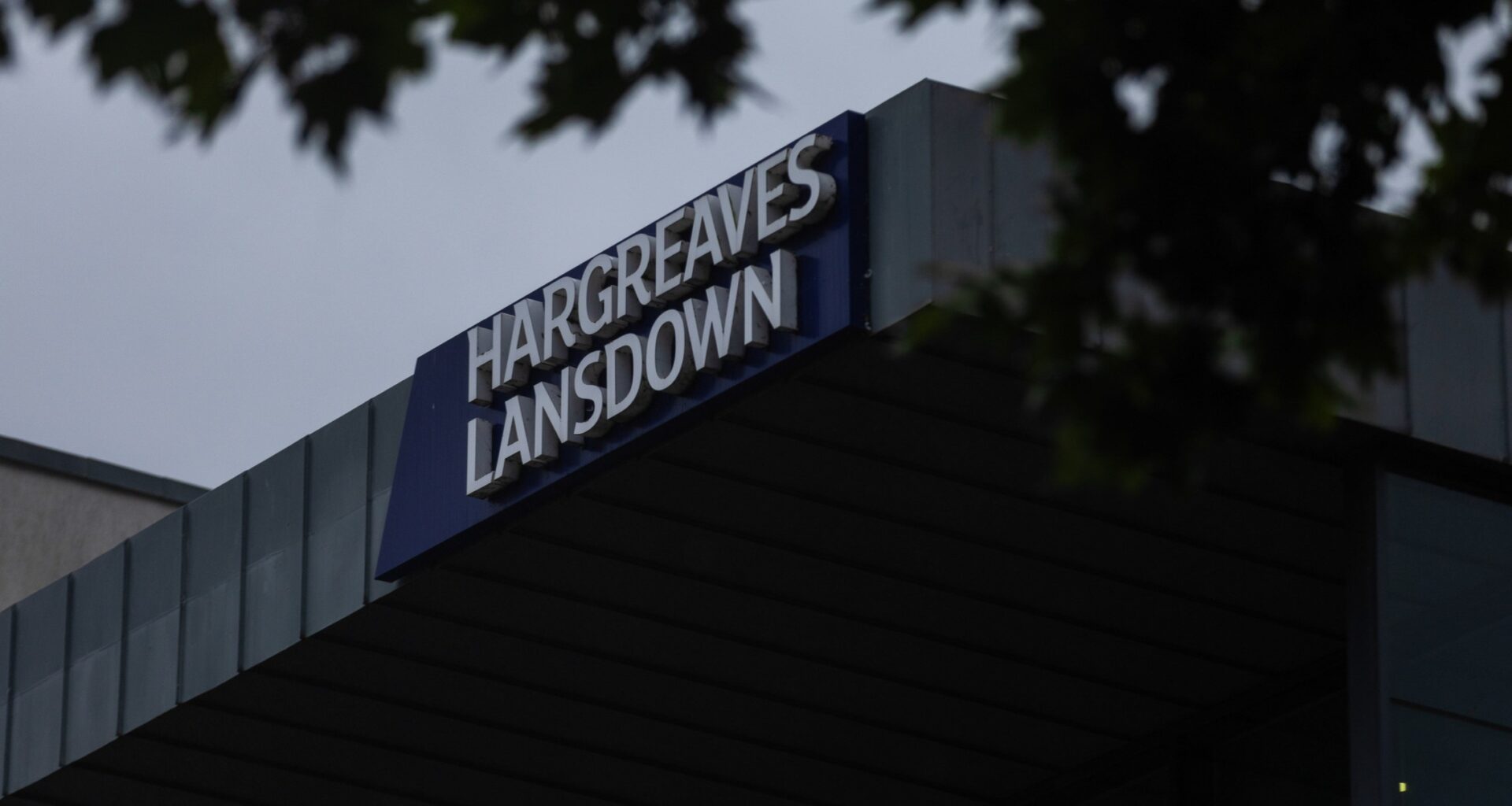
The chancellor mentioned Hargreaves Lansdown in the Budget as a wealth firm in a position to help people move from saving in cash Isas to investing in stocks-and-shares Isas.
She also said banks will help advise savers on how to invest.
However, this caused uproar among independent financial advisers, who said Rachel Reeves should have told people to get independent regulated financial advice instead of the banks advising people on Isas.
Anita Wright, chartered financial planner at Ribble Wealth Management, said: “It is, frankly, deeply inappropriate for Reeves to endorse Hargreaves Lansdown or Vanguard as an ‘expert’ for people to turn to for investment decisions, given that it is primarily a direct-to-consumer, execution-only platform rather than a provider of holistic, independent financial advice.
“Elevating one listed firm from the despatch box looks uncomfortably like an official endorsement of that firm over its competitors.
“It also raises obvious questions about conflicts of interest and the appropriateness of the Treasury appearing to funnel retail business towards a single commercial brand, undermining the value of regulated advice.”
Wright said at the very moment when complex policy changes are being proposed around Isas, pensions and salary sacrifice, the government should underline the importance of independent, regulated advice and proper financial planning.
It comes as Reeves confirmed rumours in the Budget yesterday that the cash Isa allowance will be reduced to £12,000 from £20,000 for those aged under-65.
Budget 2025: chancellor reduces cash Isa allowance to £12k for under-65s
It will come into force from April 2027.
In her speech Reeves said the UK has some of the lowest levels of investment.
She said someone who had invested £1,000 a year in a stocks-and-shares Isa since 1999 would be £50,000 better off today than if they had put the same into a cash Isa.
Given that, Eamonn Prendergast, chartered financial adviser at Palantir Financial Planning, agreed that the chancellor was wrong to single out a few companies and wrong to suggest banks should guide people into investments.
“Independent and regulated financial advice is what savers need, not product pushes from some institutions with vested interests,” he said.
“Banks largely abandoned in-branch investment advice after the 2012 Retail Distribution Review exposed the dangers of commission-driven, restricted advice that led to widespread mis-selling.
“Re-opening that door risks repeating old mistakes. If the government truly wants to turn savers into investors, it should empower people to access independent financial advisers who can give unbiased, holistic guidance, not point them towards providers or banks with limited product ranges and commercial motives.”
Meanwhile, Scott Gallacher, director at Rowley Turton, said it was “extraordinary” that the chancellor used the Budget “to effectively promote individual companies”, instead of single, non-independent providers.
“Budgets shouldn’t be used to single out commercial firms, and ministers should avoid even the perception of favouritism,” he said.
“It raises the uncomfortable question of whether she may have strayed close to breaching the ministerial code by appearing to promote a small number of companies.
“Instead of offering what sounded like endorsements of one platform — and others — the chancellor should have encouraged people to seek independent, regulated financial advice.
“Independent advisers can access the whole market and provide genuinely tailored, client-focused recommendations — something no single provider can deliver.
“What could have been a perfect opportunity to champion the independent advice sector has instead been squandered. Instead, we seemingly have a victory for large companies and their paid lobbyists.”
sonia.rach@ft.com