
Alan Lovell, chair of the EA, said: “Bathing water quality in England has improved significantly over recent decades, and this year’s results show the continued impact of strong regulation, investment and partnership working.
“But we know there is more to do, and the new bathing water reforms will strengthen the way these much-loved places are managed,” he said.
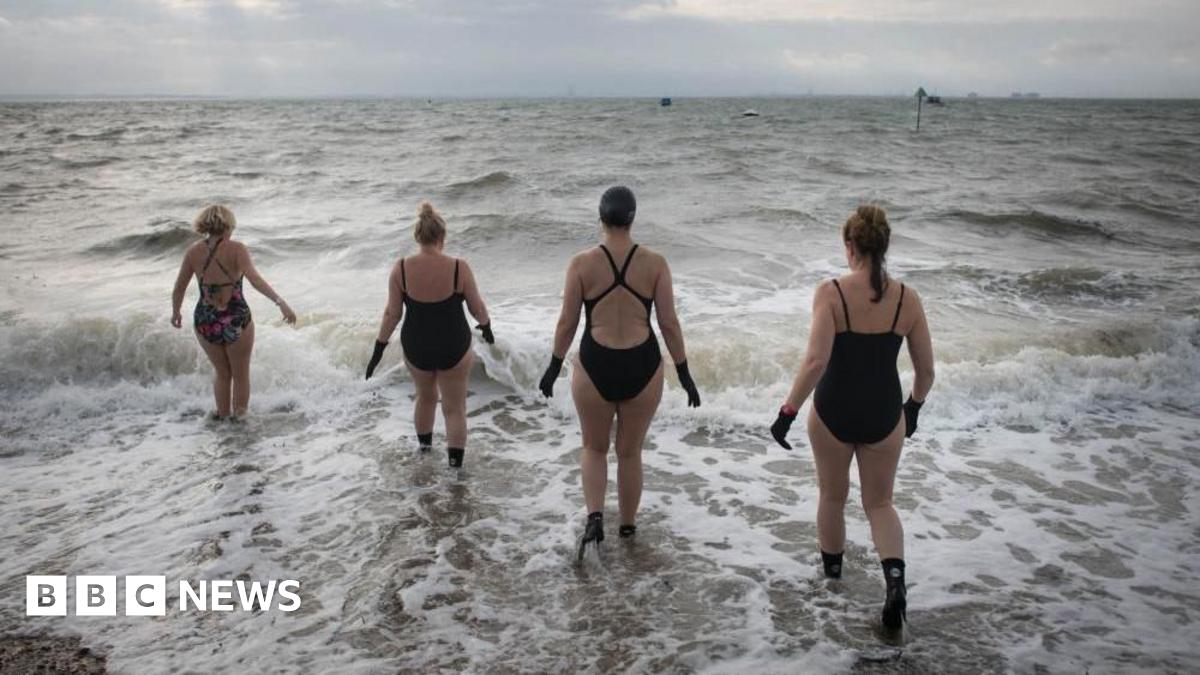
More bathing sites have been added in recent years, effectively requiring more places to meet the highest standards for people to be able to swim.
Bathing sites in rivers performed much worse than those in the sea, where the vast majority of bathing sites are located.
Of the 14 river sites, only two met the minimum standards. Many of these rivers were only added to the list of monitored bathing sites in 2024, which can complicate comparisons over time.
The EA says part of the reason that water quality is poorer in rivers is because salty seawater can act as a natural disinfectant and the sea dilutes pollutants faster. Rivers are often closer to pollution sources too.
James Wallace, chief executive of River Action UK, described the results for England’s river bathing water sites as “deeply concerning”.
“Despite being our most protected river sites, the government’s own data shows that swimming in our inland bathing waters carries significant health risks, underlining the failure of regulators to hold polluters to account,” he said.
The latest figures come after the EA gave England’s water companies their worst ever combined marks last month for their environmental performance in 2024, amid a spike in serious pollution incidents.
And in July a landmark review of the “failing” water sector in England and Wales recommended stronger regulation to hold water companies to account.
But it warned that there would be no quick fixes to improve the state of our rivers or bring down bills.
In response to today’s figures, a spokesperson for Water UK said: “These results show that the quality of English bathing water remains high with 87% achieving a ‘good’ or ‘excellent’ rating.
“This is a stark contrast to the 1990s when less than a third of bathing waters would have met today’s standards.”