
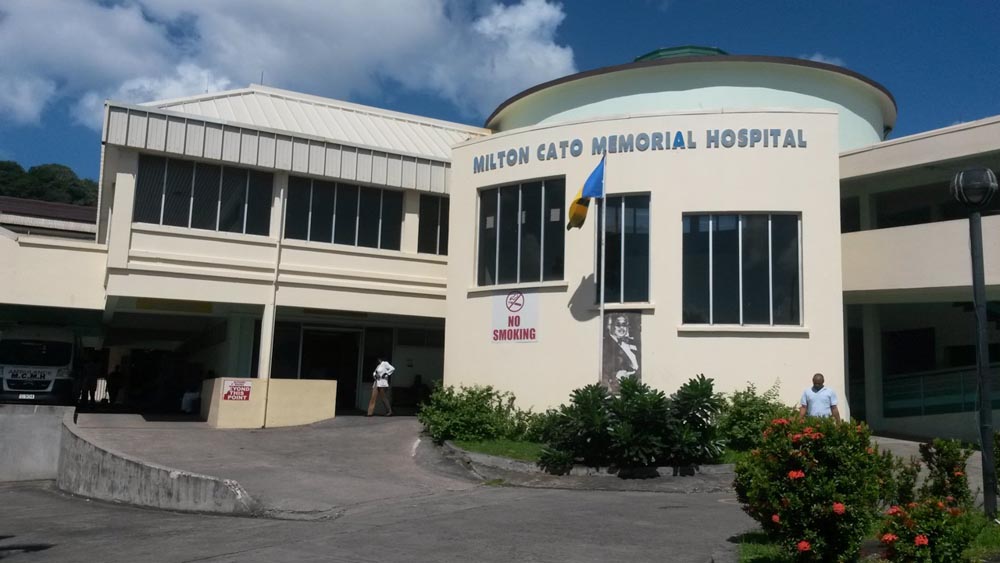
Still Grieving — And Still Asking Questions*
For nine months, I have been wrestling with the loss of my father — and with the manner of his death. Death itself is inevitable; the circumstances surrounding it, however, are not.
My father was admitted to the hospital on a Saturday night. He had a few known conditions — diabetes and hypertension — along with some additional issues that developed. I was later told that he was given medication that worsened his underlying kidney problems. Yet at the same time, I was being reassured that his kidney function was “okay.” What “okay” actually meant, I still do not know.
I flew home on the Wednesday, went straight to the hospital, and immediately began asking questions. I consulted with doctor friends and pushed for clarity. What I found was alarming. Basic supplies were lacking: they had to beg for plasters from other wards; they did not even have the percentage glucose needed to stabilize his blood sugar. Still, I kept advocating.
I was told my father needed an ultrasound of his heart, and the paperwork had supposedly been sent. By Thursday afternoon, nothing had been done. Someone had dropped the ball. The doctor who handled those scans had already left for her private practice, and when I begged — even offering to pay anything — the answer was a firm **no**.
By then, my father’s kidneys were failing. His creatinine levels were climbing. They said he needed dialysis. I spoke to him that Thursday night as I left his bedside.
I said, “Me and you again tomorrow, Daddy.”
Tomorrow did come — but it was short-lived.
Early Friday morning, we received a call to come immediately to sign papers for dialysis. The man I saw lying on the bed was not the same man I saw the day before. He was gasping for breath. They rushed to take him to ICU. The nephrologist told me plainly that his kidneys were gone. Another doctor said multiple organ failure.
For the first time, I was finally receiving answers — but they came far too late.
There is much more I could say, but the pain of reliving it all is heavy.
I was told that dialysis at that stage would be useless. I was allowed to hug my father and say goodbye in my own way, all while listening to the shallow breaths produced only by the ventilator keeping him alive.
I sat outside ICU until sometime after 3 p.m., when they came and told me he had died. I didn’t cry. I was numb. My tears had already fallen throughout this ordeal. In that moment, I simply thanked them and said, “Okay.”
I could not bring myself to go back inside. In my mind, my father had already begun leaving us hours before.
Do I think there were missteps along the way?
**HELL YES.**
Would better care have changed the inevitable? Perhaps not. We will all die one day. But **how** we die — and what dignity, attention, and care we receive — matters.
Locally, the hospital is sometimes jokingly called “Done Um,” because once you go there, you’re considered “done with.” That alone should tell us something.
There were moments of genuine effort, and there were moments of unacceptable neglect. But one thing became very clear: when hospital staff realize that a patient has someone behind them — someone advocating, someone asking questions, someone who is not easily dismissed — suddenly a fire is lit.
That should not be the way a healthcare system operates.
I am disappointed, heartbroken, and still grieving — not only for my father, but for the many people who do not have someone to speak up for them, who rely entirely on a system struggling with both limited resources and inconsistent care.
My father deserved better.
Our people deserve better.
And my grief continues.