
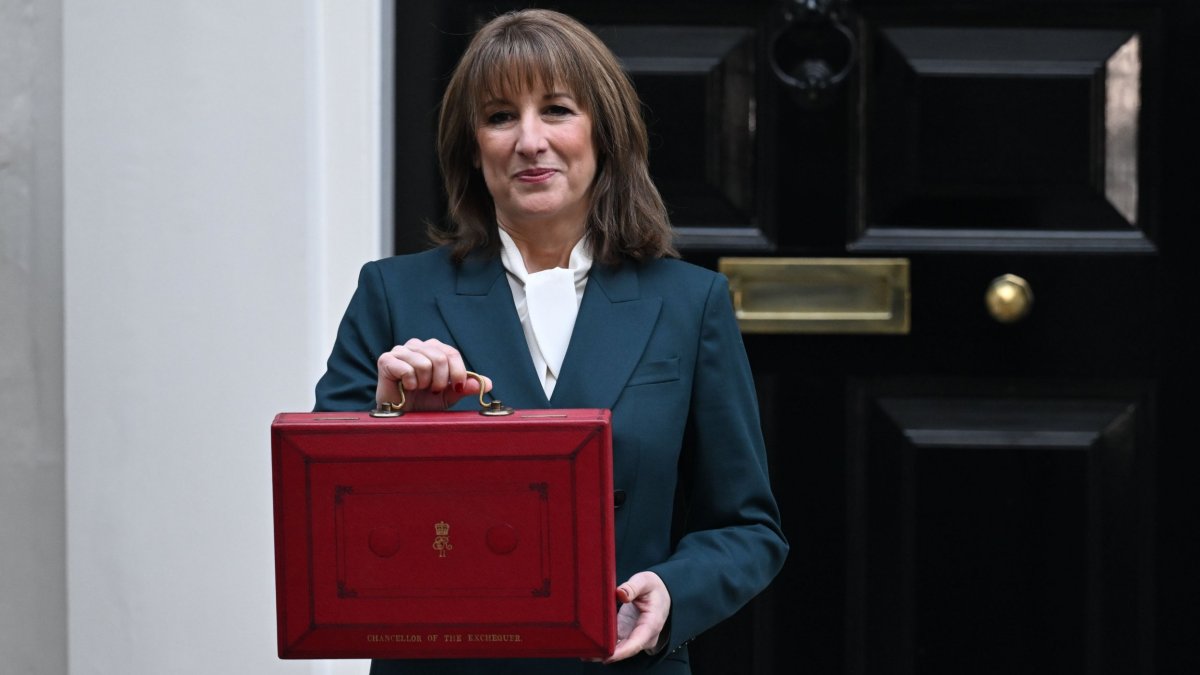
The decision to freeze thresholds but maintain the triple lock on pensions has created a tax headache for the Treasury
The Chancellor Rachel Reeves has been accused of creating a “two-tier” tax system that will punish workers with a private retirement pot.
It comes as a result of her decision to freeze income tax thresholds as one of the primary sources to raise revenue in the Budget.
Reeves also confirmed that the triple lock is staying in place which guarantees that state pensions rise by whichever is highest out of inflation, wage growth and 2.5 per cent.
Observers quickly worked out this means the standard state pension payment will increase above the lowest tax threshold from April 2027.
This would imply that state pensioners will end up owing tax on their payment.
However, Reeves quickly issued a further clarification which has led to claims of an unfair system.
What will happen?
Budget documents published by the Treasury included a commitment to “ease the administrative burden for pensioners whose sole income is the basic or new state pension”, which would apply only to those who did not receive the second state pension or any other uplifts.
It said they would not have to “pay small amounts of tax via simple assessment from 2027-28 if the new or basic state pension exceeds the personal allowance from that point”.
When asked about the issue by ITV News, Reeves added: “In this parliament, they will not have to pay the tax. We are looking at a simple workaround at the moment.”
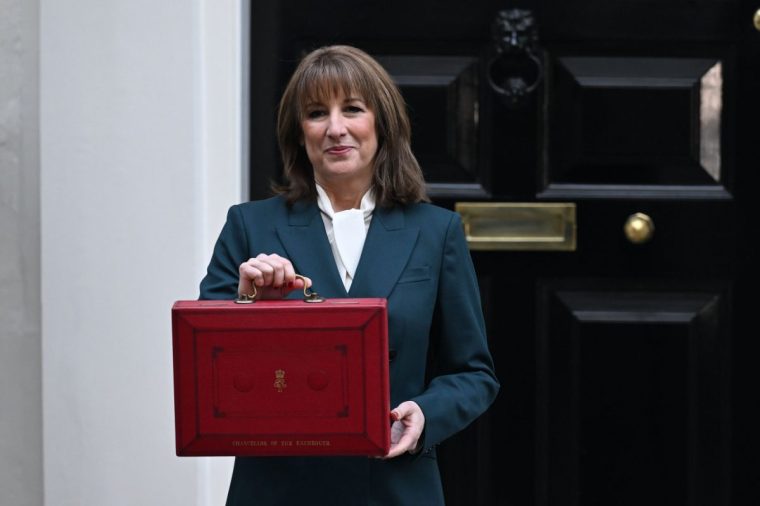 Reeves also confirmed that the triple lock is staying in place which guarantees that state pensions rise by whichever is highest out of inflation, wage growth and 2.5 per cent (Photo: Rasid Necati Aslim/Anadolu via Getty)
Helen Morrissey, head of retirement analysis at Hargreaves Lansdown, said: “Pensioners will breathe a sigh of relief as the Chancellor confirmed pensioners whose income is solely the state pension won’t have to pay income tax on it for the remainder of this Parliament.
“This addresses concerns that the state pension will breach the threshold for paying tax in 2027/28.”
What’s the problem?
The exemption only applies to those who rely solely on the state pension.
Anyone who also has a private pension pot – which is around 75 per cent of the working UK population – will have to pay tax both on that money and part of the state pension.
The threshold is £12,570 so anyone with a private pension will face a tax demand on all earnings over this amount.
This will apply even if someone is being paid out a small amount from their state pension of less than £1,000 a year.
The Treasury confirmed to the Daily Telegraph that only pensioners whose “sole income is the basic or new state pension” will qualify for its proposed exemption.
Police risks creating ‘two-tier system’
Sir Steve Webb, a former Lib Dem pensions minister, estimated that only one million pensioners would benefit from the new rules, out of a total of more than 13 million retirees.
He told the Telegraph: “There is a risk of a two-tier system where people on the new state pension are protected whilst people on the old system and whose total pension is exactly the same are not protected.”
Experts add that the exemption currently being worked out by the Treasury is not a permanent solution.
Helen Morrissey, head of retirement analysis at Hargreaves Lansdown, said: “It’s news that will be welcomed by pensioners who are seeing their state pension move to within a whisker of this threshold from April and were worried about what the future might hold for them.
“However, it is only a temporary reprieve, with the Chancellor refusing to be drawn on whether the change will remain long term.
“Currently, it will only last for the duration of this Parliament. We can expect to find out more about longer-term options next year.”