
(Credits: Far Out / IMDB)
Sun 30 November 2025 14:00, UK
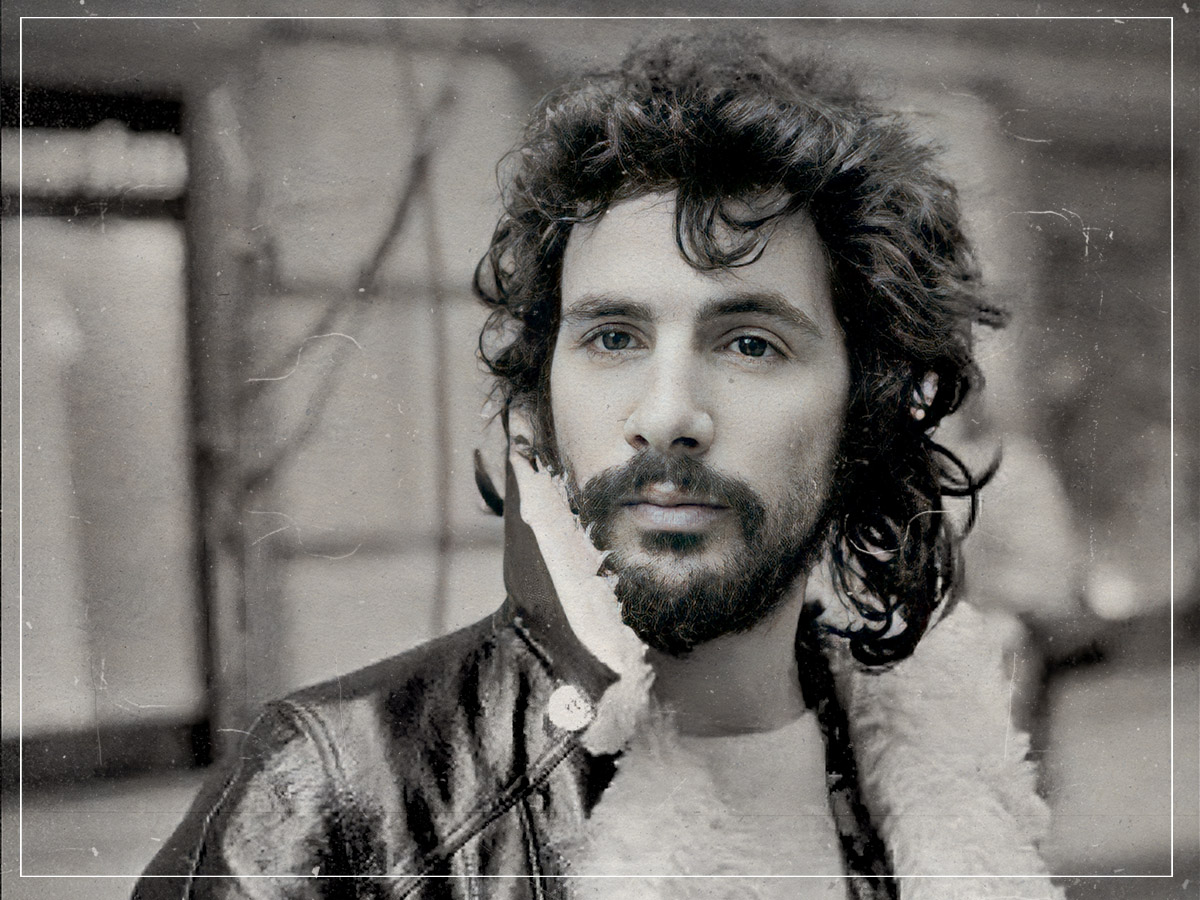
In the haze of 1960s and 1970s names that defined the entire era, Cat Stevens, also known as Yusuf, was one of the most pivotal figures.
When we think of the ‘60s and ‘70s, it’s usually to do with the swirl of familiar names, including The Beatles, The Rolling Stones, The Beach Boys, Fleetwood Mac, Joni Mitchell, Carole King, and the list goes on. These names are so loud that sometimes it’s easy to push other definitive figures to the sidelines, forgetting all of the ways that people like Yusuf changed the landscape.
His records Tea for the Tillerman and Teaser and the Firecat marked the peak of his rise, contributing a different flavour of folk rock and a conversational singer-songwriter style that was more spiritual and naturally personal than most of the other players in the field. Of course, songs like ‘Father and Son’ and ‘Wild World’ sit atop this, proving the beauty of blending different styles and viewpoints when done right.
A major turning point in Yusuf’s career came in 1977 when he converted to Islam. Aside from the emotional and intellectual confusion it sparked among some of his most loyal fans, the change meant more to Yusuf than leaning into his more authentic spiritual beliefs. As he later reflected, Elvis Presley had just died, giving the industry the broader sense that rock ‘n’ roll, for what it was worth, was well and truly dead.
What’s more, the change gave him clarity about the purpose of music, as well as more negative aspects of modern music. “Music for me evokes so many emotions, but I would hear how artists stretch the boundaries, particularly in the seventies,” he told Yousif Nur in 2017. “Today, there’s so much repetition, cut and paste, and sample sounds that it just makes you appreciate the days of analogue and how inspired many of those groups and artists were, including me, of course.”
Part of the same interview looked at some of Yusuf’s all-time favourite artists, many of whom fell into that innovative, genre-blending category he views as more worthwhile than the “cut and paste” figures that came after. His choices from the ‘60s are especially telling, ranging from the more obvious rock ‘n’ roll legends like The Beatles to the more expansive, classical composers like Wendy Carlos.
When it came to the Fab Four, Yusuf opted for Please Please Me, the quartet’s debut that boasted signature songs like the title track, ‘Love Me Do’, ‘Twist and Shout’ and ‘I Saw Her Standing There’. He also picked out the record that influenced an influx of legendary players, the Fab Four included; Pet Sounds, and the debut album from the industry-defining poetic crooner himself, Bob Dylan. Others included Procol Harum’s A Salty Dog, Wendy Carlos’ Switched-on Bach, The Band’s The Brown Album, and Yusef Lateef’s Eastern Sounds.
Going by Yusuf’s earlier statement about older music holding more intellectual and emotional weight, his choices all follow a similar theme, with records that not only reinstated the pillars of modern innovation but also provided masterclasses in timelessness and ingenuity. The range of styles and approaches also proves as much, highlighting Yusuf’s gravitation towards material that takes risks and still pulls it off.
Yusuf / Cat Stevens’ favourite albums of all time:The Band – The BandWendy Carlos – Switched-on BachBob Dylan – Bob DylanThe Beatles – Please Please MeYusef Lateef – Eastern SoundsThe Beach Boys – Pet SoundsProcol Harum – A Salty Dog
Related Topics