
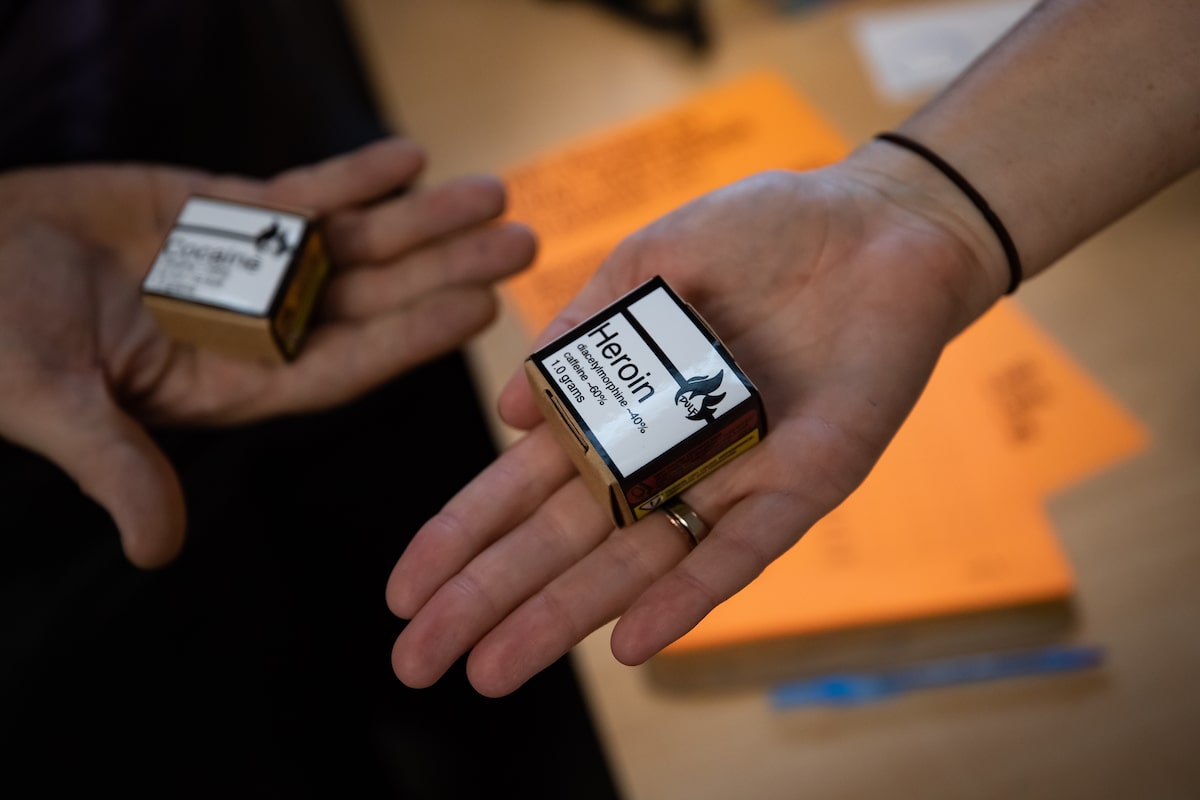
British Columbia will require anyone receiving prescribed alternatives to illicit drugs to ingest them under the supervision of a health care provider, tightening the reins on a program that has faced considerable barriers to expansion and sustained political pushback.
The B.C. government is expected to announce this week that, beginning Dec. 30, anyone with a prescription for a regulated illicit drug alternative, also called safer supply, will need to take the medication in front of a pharmacist or nurse when that medication is dispensed at a pharmacy, according to a document obtained by The Globe and Mail.
The new policy builds off interim guidance issued earlier this year that required witnessed consumption for new prescribed-alternative patients, and directed prescribers to discuss with existing patients a transition to witnessed dosing, or other care options, as soon as possible.
The change follows considerable scrutiny and political pushback on the safer supply program. In February, Ministry of Health documents leaked by the BC Conservatives stated that a “significant” portion of the prescribed opioids were not being consumed by their intended recipients and that drugs from the program were being trafficked.
Police detachments also reported seizures of suspected pharmaceuticals from the program, and hand-to-hand transactions outside of pharmacies.
Legal safer supply programs inaccessible to most, B.C court hears
In response, Health Minister Josie Osborne said at the time that the province would restore the requirement for witnessed ingestion to reduce the likelihood of diversion. However, doctors and pharmacists have expressed frustration at not being consulted on the change as well as concerns over safely transitioning their patients. They have said that it would further restrict access for those who need the program most.
Ryan Herriot, a family physician and addiction medicine specialist based in Victoria, said the change represents an “egregious interference by non-experts into the practice of medicine.”
He cited a study published in January, 2024, in the British Medical Journal that found prescribing opioid alternatives under the B.C. program was associated with fewer deaths, calling the feat an enormous achievement.
Another study, published May, 2024, in the journal JAMA Network Open, found that those who were prescribed opioids were much likelier to adhere to treatment medications such as methadone.
Dr. Herriot, who co-founded the advocacy group Doctors for Safer Drug Policy, said it is misguided for the Ministry to believe that the change will preserve benefits while reducing any perceived harms. The top concern his patients report is staving off withdrawal overnight, when witnessed dosing at a pharmacy is impossible, he cited as an example.
“The Ministry of Health ultimately does not direct clinical care,” Dr. Herriot said. “Doctors always should make medical decisions collaboratively with their patients and in the best interests of their patients’ health.”
B.C. man who bought dark web drugs for compassion club says he wanted to reduce overdoses
Limited exemptions from witnessed dosing will be available in what the Ministry describes as “extraordinary circumstances.” Interim guidance from earlier this year said patients may be able to continue receiving unwitnessed doses if they are clearly benefitting from them, are at low risk of diverting the drugs and a clinician believes that stopping a take-home supply would pose a high risk of destabilizing the patient
The prescribed alternatives program was launched B.C.-wide in March, 2020, in response to an increasingly toxic street drug supply that has driven one of Canada’s deadliest public health emergencies on record. It is predicated on the idea that by providing those at high risk of overdose regulated substances of known potencies, health care providers can reduce or sever users’ dependence on street drugs, lowering their risk of death and related drug harms.
The program has been beset by challenges from the beginning. Supporters, which include expert panels convened by Health Canada and the BC Coroners Service, have called for an expansion of low-barrier safer supply models, saying that the medicalized approach limits access to those who can find a willing prescriber.
A November, 2023, recommendation by the coroner’s expert panel to provide safer drug options without a prescription through community-based agencies was dismissed immediately by the province as a non-starter.
Limited medication availability has also contributed to program challenges. Hydromorphone, the most commonly prescribed opioid under the program, is often too weak to meet the needs of those with high opioid tolerances from fentanyl use, for example. This has led to some users selling or trading their prescribed alternatives for illicit fentanyl.
Federal Conservative Leader Pierre Poilievre has called the program, of which there are others across Canada, a failed “taxpayer-funded hard drugs experiment.”
At the B.C. program’s peak in March, 2023, a total of 5,189 people were prescribed a regulated alternative. By this July, the latest month for which data are available, the figure had fallen to 3,282 – a 37 per cent decrease.
The BC Coroners Service has said that an estimated 225,000 people in B.C. use illicit substances, while about 100,000 have been diagnosed with an opioid use disorder. Since 2016, nearly 18,000 people have died from illicit drug toxicity in the province.