
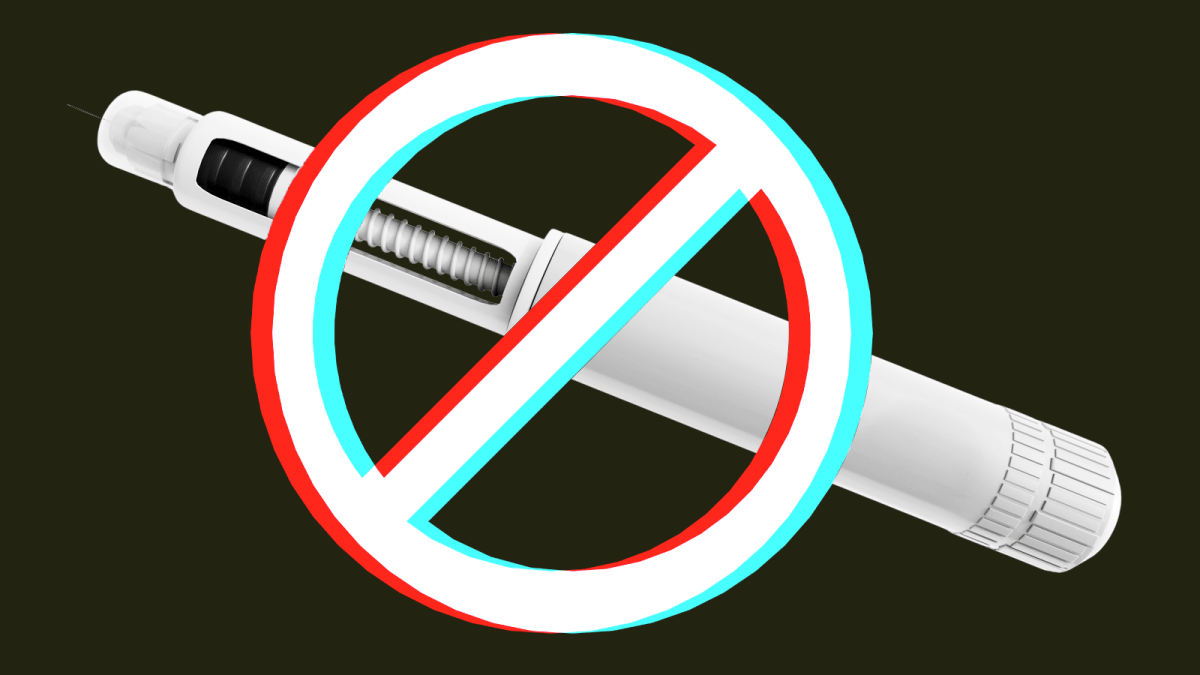
Irish young men obsessed with achieving lean, muscular builds are ignoring all health warnings to buy a new, untested “miracle weight-loss drug” via social media.
Social media users acutely aware of the body-conscious nature of their followers are touting the “extraordinary” benefits of retatrutide, a drug said to deliver weight-loss results more rapidly than Mounjaro.
Also known as Triple G, retatrutide is in development by the US pharmaceutical company Eli Lilly, but it is not expected to be released for at least another 18 months.
Its ability to reduce appetite, lower blood sugar levels and help the body burn fat has made illegitimate versions of the drug almost too good to resist for some.
Irish-run TikTok channels and Telegram groups promoting retatrutide and other peptides have drawn in a devoted following of young fitness fanatics.
A video from one account shows the seller’s supply of injections and vials of the drug ready to be shipped out.
Another depicts the dealer flaunting his sculpted and slim physique with the caption “like and comment below for a free sample”.
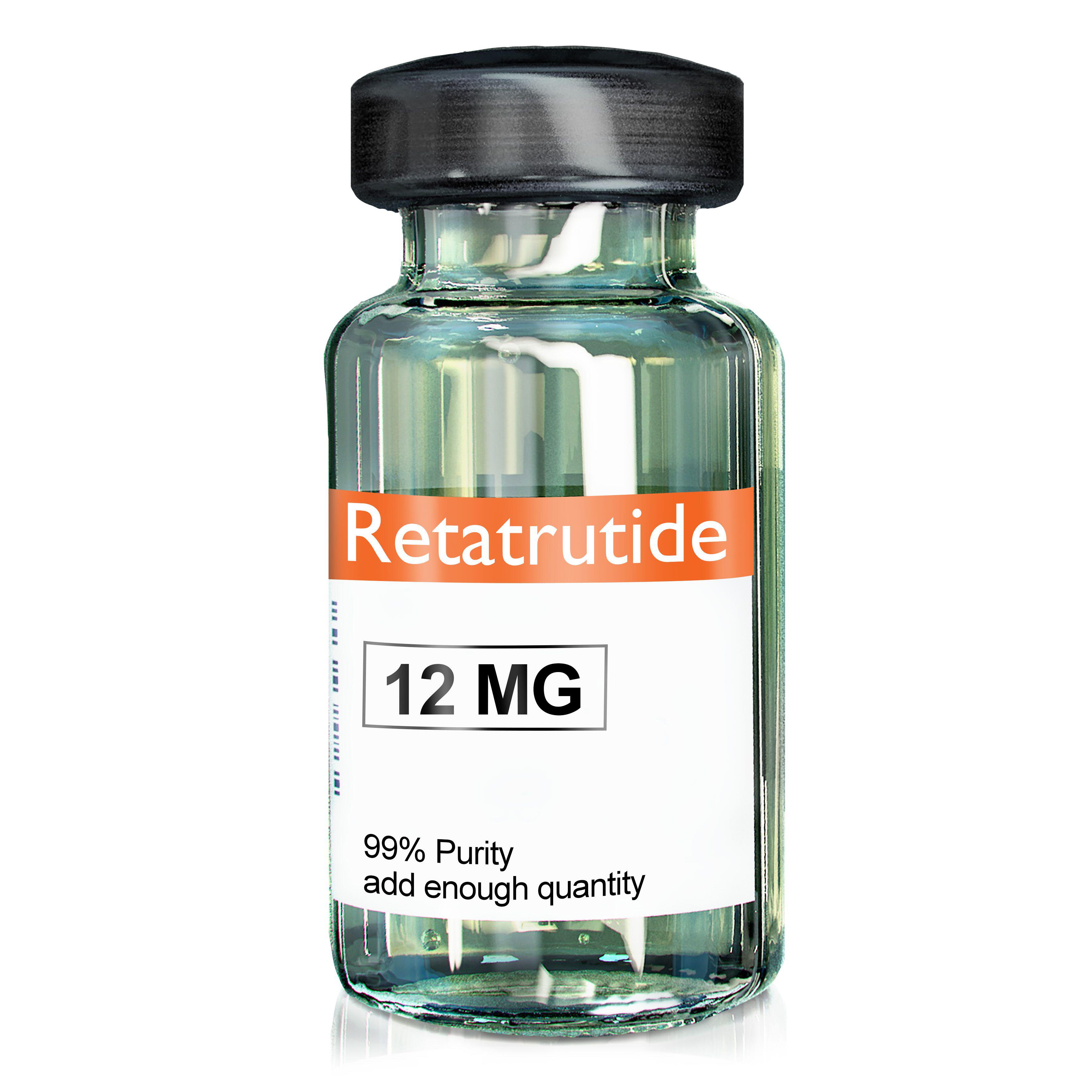
Retatrutide is not licensed or approved
ALAMY
In a comment to a potential customer, he assures them that they will have a summer body “before the end of the year”.
The Sunday Times reached out to a second channel, requesting a price list for his supply of retatrutide. The anonymous vendor stated a 10mg supply was €60, with the 20mg priced at €100.
When questioned about the origin of his stock, he offered a one-word reply, “EU”, while a far bigger supplier operating in the UK confirmed he provided “next-day” delivery to Ireland.
Because retatrutide is not a controlled substance, taking it is not illegal but highly inadvisable.
Cracking down on underground “research peptide” labs in countries such as China has proved to be extremely difficult for authorities.
According to Chris Pereira, an expert on Chinese manufacturing, counterfeiters “will disappear right after they’ve done selling. Even if the websites get closed down, three more would pop up”.
Social media companies are also playing their part by restricting the word “retatrutide” from appearing in search results.
However, users have begun to use misspellings such as “retattrutide” and coded language to avoid being detected.
Professor Donal O’Shea, HSE lead for obesity, has begun posting videos on Tiktok in an attempt to educate young people of the facts behind weight-loss drugs and other substances being marketed online.
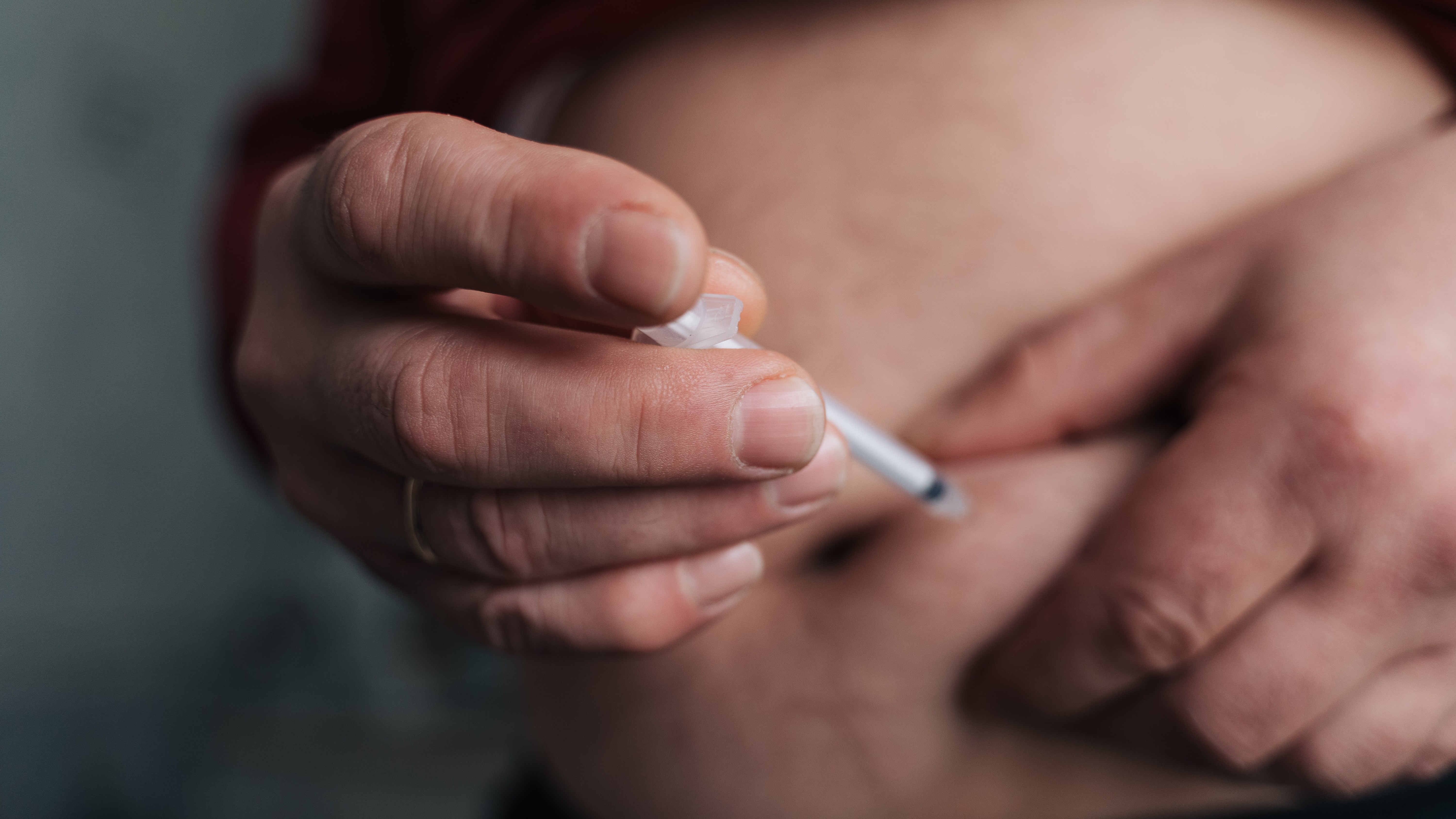
Anti-obesity jabs are growing in popularity
GETTY
“If you look at TikTok you’ll see these hyper-lean young men with six-packs, prominent veins and muscles — the kind of physiques impossible to achieve without abusing these drugs,” he said.
“Retatrutide isn’t even a drug yet as it’s not licensed or approved. It’s completely outside the regulatory framework as things currently stand.
“People are taking something that’s still in development and whose full effects are not yet understood.
“I’ve spent the last six months on TikTok with my team of scientists to try to debunk some of the myths — the misinformation out there that is bonkers.”
A significant problem is that it is relatively simple for counterfeiters to make the drugs. Retatrutide’s chemical structure was made public in an open-access academic paper in 2022, and the following year Eli Lilly published early data suggesting that the drug reduced body weight by up to 24 per cent in 48 weeks. Counterfeiters then started churning out copies of the drug.
O’Shea added that tighter regulation to curb the sale of drugs still in clinical trials was urgently needed.
“It’s a phenomenally grey area,” he said. “If a doctor went on to social media to sell something like retatrutide, it would be completely breaking their code of professional conduct.
“However, those in the aesthetic [beauty industry] remain unregulated, despite the serious risks their practices can pose to the public.”
On fitness forums some users admit they have suffered from side-effects. “I’ve been on reta since the end of July and everything was going perfectly until about a month ago,” one user said.
• What weight-loss drugs do to your body
“A pain in my upper-left abdomen and chest appeared suddenly, like behind my ribs. I’ve also noticed that I go very faint when getting up too quickly. My libido has also [been] very low.”
Some companies say they sell retatrutide as a research chemical only, benefiting from a loophole that allows sellers to advertise, sell and ship products to customers without following the rules that apply to medicines.
Grainne Power, director of compliance at the Health Products Regulatory Authority, said there had been a sharp rise in the number of weight-loss drugs being seized by Revenue.
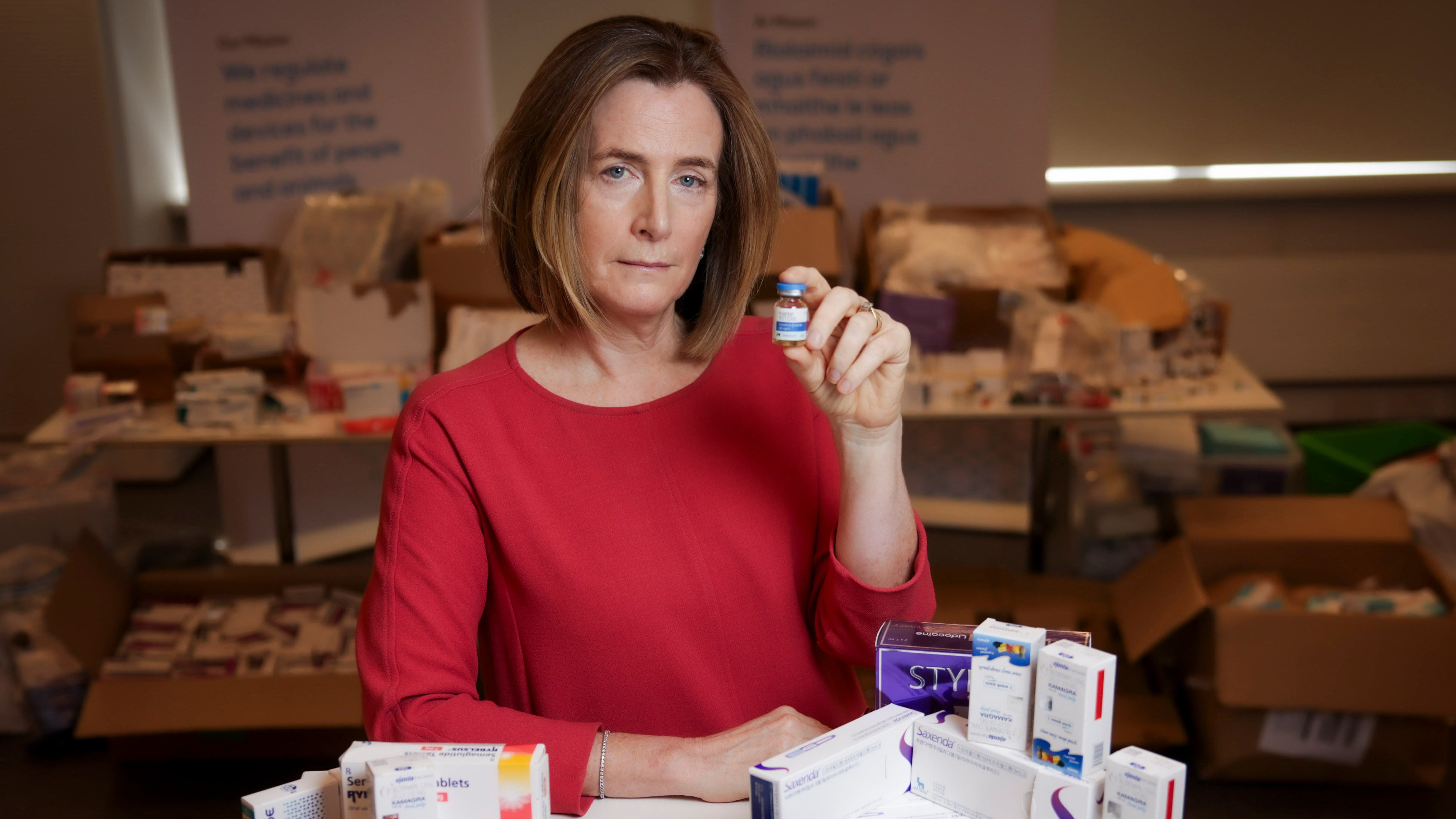
Grainne Power of the HPRA says sellers of counterfeit weight-loss drugs are driven “purely by demand”
CHRIS BELLEW/FENNELL PHOTOGRAPHY
“The people who sell these products falsely claim they’re authorised and sanctioned by ourselves, the FDA [US Food and Drug Administration] and other entities,” Power said.
“We’ve seen a significant increase in microneedle patches [for weight loss] being advertised online and also seized by Revenue this year.
“We’ve tested them and found that they contained no active substance whatsoever in them. We’ve also seen weight-loss pens and other branded products that look legitimate, as well as unlabelled glass vials filled with white powder.
“In October, we identified through Revenue a small consignment of counterfeit tirzepatide pens [Mounjaro] and found that they contained a long-acting insulin.
“If someone had taken them, they could have become seriously ill and the situation could even have been life-threatening if left untreated.”
Power stressed that those behind the social media accounts did not have their customers’ best interests at heart.
“They’re driven purely by demand, exploiting people’s vulnerability and their desire to lose weight,” she said.
“We have communicated with all these platforms to disrupt their accounts, which come with the Irish flag, HPRA logos and photos of prominent Irish healthcare professionals.
• Have these scientists invented the first natural ‘Ozempic’ pill?
“Thankfully, social media companies have mechanisms that allow us to report these accounts so they can be removed from their platforms.”
She added: “Our message is that nobody should be self-prescribing and administering these medicines for themselves or others.”
TikTok said it did not allow trading, marketing or providing access to regulated, prohibited or high-risk goods and services, including products marketed for weight loss or muscle gain.
The company said posts that breached these guidelines were taken down.
Eli Lilly said counterfeit drugs “may contain no active ingredient at all, or contain other harmful ingredients”.
“No one should ever risk putting them into their bodies,” it added.
“Lilly has taken steps to help address the risks posed by counterfeit, fake and other illicit products across the world, including working with regulators and law enforcement, and identifying and removing fraudulent or unsafe content online and on social media.”