
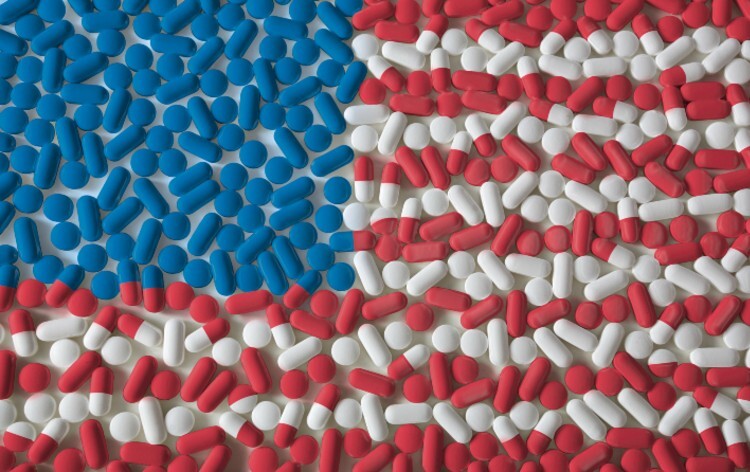
The UK has agreed a 0% tariff on all pharmaceutical exports to the US for at least three years, in a deal that will ‘benefit tens of thousands’ of patients, the Department of Health and Social Care (DHSC) has announced.
Thanks to ‘strong UK support for innovation’, the UK has secured mitigations under the US’ ‘Most Favoured Nation’ drug pricing initiative, it added.
Tens of thousands of NHS patients will benefit from the landmark trade deal – part of the UK-US Economic Prosperity Deal, signed in May – which will expand access to vital drugs, safeguard the country’s medicine supply chain, and drive investment, according to the Government.
The deal will also secure ‘preferential terms’ for the UK’s med tech exports, meaning there will be no additional tariffs on medical tech. This is hoped to unlock further investments in the UK.
Business and trade secretary, Peter Kyle, said: ‘This deal guarantees that UK pharmaceutical exports – worth at least £5 billion a year – will enter the US tariff free, protecting jobs, boosting investment and paving the way for the UK to become a global hub for life sciences.’
Related Article: National living wage increase could cost pharmacy £94m a year, says CPE
And science minister Lord Vallance said the benefits were twofold: it will help the country secure the best, most innovative treatments and it will boost the pharmaceutical industry.
‘We are entering an era of preventions and cures, and this landmark deal will ensure British patients are among the first in the world to access them,’ he added.
The government also said it will increase the price threshold at which it determines medicines to be too expensive by around 25%.
National Institute for Health and Care Excellence (NICE) currently assesses value for money for the NHS by applying a cost-effectiveness range of £20,000-30,000 per quality adjusted life year (QALY) gained over and above current treatments. It has now been agreed that NICE will apply new thresholds of £25,000-35,000 per QALY.
It means NICE will be able to approve medicines that may previously have been declined on cost-effectiveness grounds, such as new cancer treatments or therapies for rare diseases.
NICE will also introduce a new value set for judging health states.
The value set comes from asking thousands of people from the public to judge how good or bad different health states would be. These are used to calculate numerical values, which help healthcare decision-makers compare different treatments.
Science and technology secretary, Liz Kendall, said: ‘This vital deal will ensure UK patients get the cutting-edge medicines they need sooner, and our world-leading UK firms keep developing the treatments that can change lives.
Related Article: Concerns raised over pharmacy nominations without patient consent
‘It will also enable and incentivise life sciences companies to continue to invest and innovate right here in the UK. This will support thousands of skilled jobs, boost our economy and ensure that the breakthroughs that happen in our labs turn into treatments that benefit families across the country.’
Chief executive of the Association of the British Pharmaceutical Industry (ABPI), Richard Torbett, added that the deal is an ‘important step’ towards ensuring patients can access innovative medicines needed to improve wider NHS health outcomes.
He also said the deal begins to address industry concerns about NHS access to medicines, and the UK’s record-high payment rate, yet many details remain unclear and there are further technical improvements to make.
It said: ‘Risks to health spending include the impact on the NHS budget of any further strikes, and the Government’s negotiations for the US trade deal on the cost of pharmaceutical spending within the NHS.’
Related Article: Allergy trends: How pharmacists can lead in the new era of allergy care
CEO of Asthma + Lung UK, Sarah Sleet, said people with lung conditions would welcome the news. ‘Raising the cost effectiveness thresholds and updating NICE’s methods should make it easier for proven, high value treatments to reach the people who need them most,’ she said.
The CEO of Brain Tumour Research, Dan Knowles, and the chief executive of Myeloma UK, Dr Sophie Castell, both echoed her enthusiasm and expressed hope that the deal will improve access to innovative medicines.
This deal aligns with the ambitions in the 10 Year Health Plan and forms part of the Government’s Life Sciences Sector Plan, it added.