
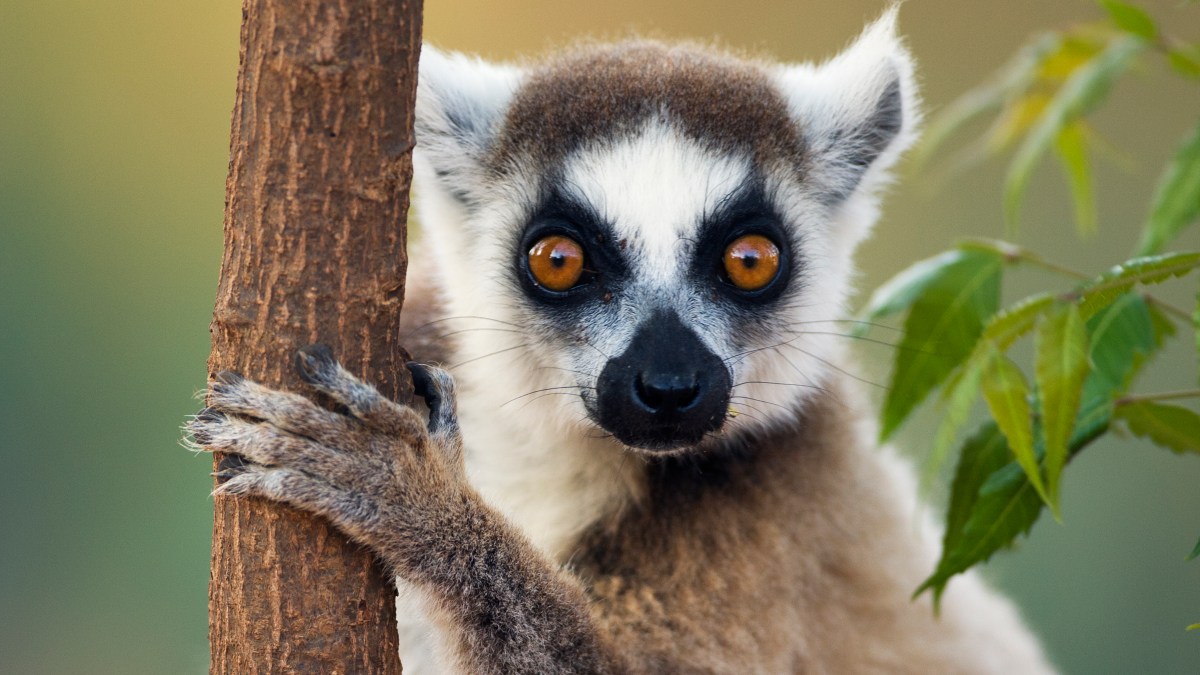
Lemurs are being pushed closer to extinction by a booming black market meat trade serving wealthy clients who believe they have rejuvenating properties, conservationists have warned.
About 13,000 lemurs are sold in Madagascar each year for food despite legal protections against their hunting, according to research published last month in the journal Conservation Letters.
One buyer told the researchers: “It’s the most delicious of any food I’ve eaten. I would know it even with my eyes closed. Once you eat it, no one wants to stop.”
Demand from the wealthy was identified as a main barrier to stopping the trade in lemurs. Malagasy elites see it as natural food that reaffirms high social status and maintains a connection to rural roots, the researchers said.
Another interviewee said: “It keeps you young. That’s what people say in secret in the forest.”
Lemurs are considered the oldest living primates. They exist in the wild only on Madagascar and the nearby Comoros Islands.
According to the International Union for the Conservation of Nature, 103 of 107 listed species are threatened with extinction and 33 are deemed to be critically endangered, the last step before extinction in the wild. Three of eight lemur families are already lost to history.

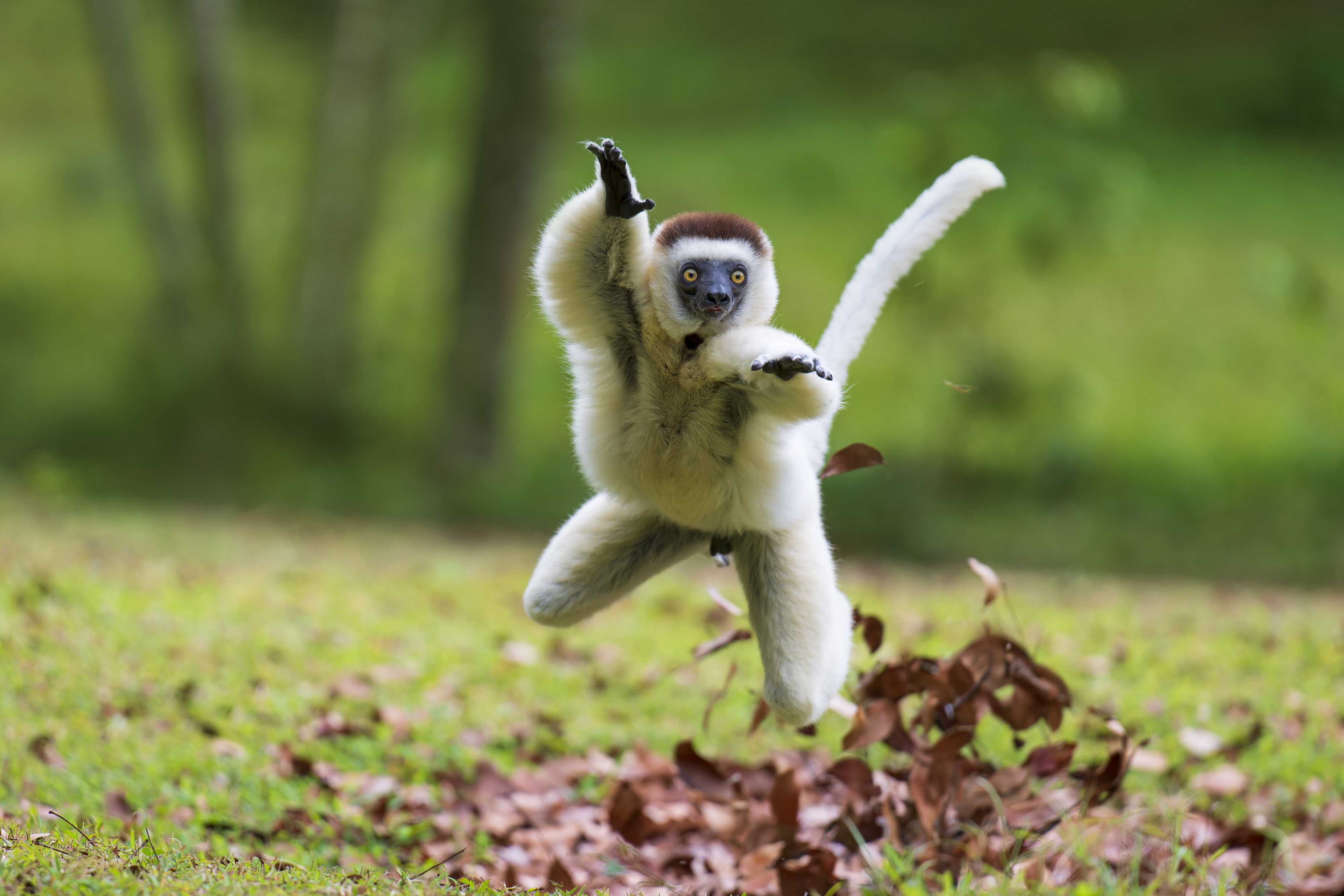
The indri lemur and Verreaux’s sifaka, below, are among the species to be critically endangered
GETTY IMAGES
“The world’s most endangered mammals may soon be eaten into extinction,” wrote the researchers, led by Cortni Borgerson, a conservation biologist at Montclair State University in New Jersey.
Borgerson and her team interviewed 2,600 people between 2022 and this year, including restaurant workers, hunters, traders and buyers, to discover the scale of the black market.
The booming urban demand in Madagascar is shrouded in secrecy, the researchers said. Restaurants in a third of cities were selling lemur meat, but 95 per cent of sales occurred privately between suppliers and trusted clients rather than in markets, as is common for a lot of wild meat in Africa.
Lemurs were already threatened by deforestation as well as subsistence hunting by poorer people living near forests in Madagascar, one of the world’s least food-secure countries.