
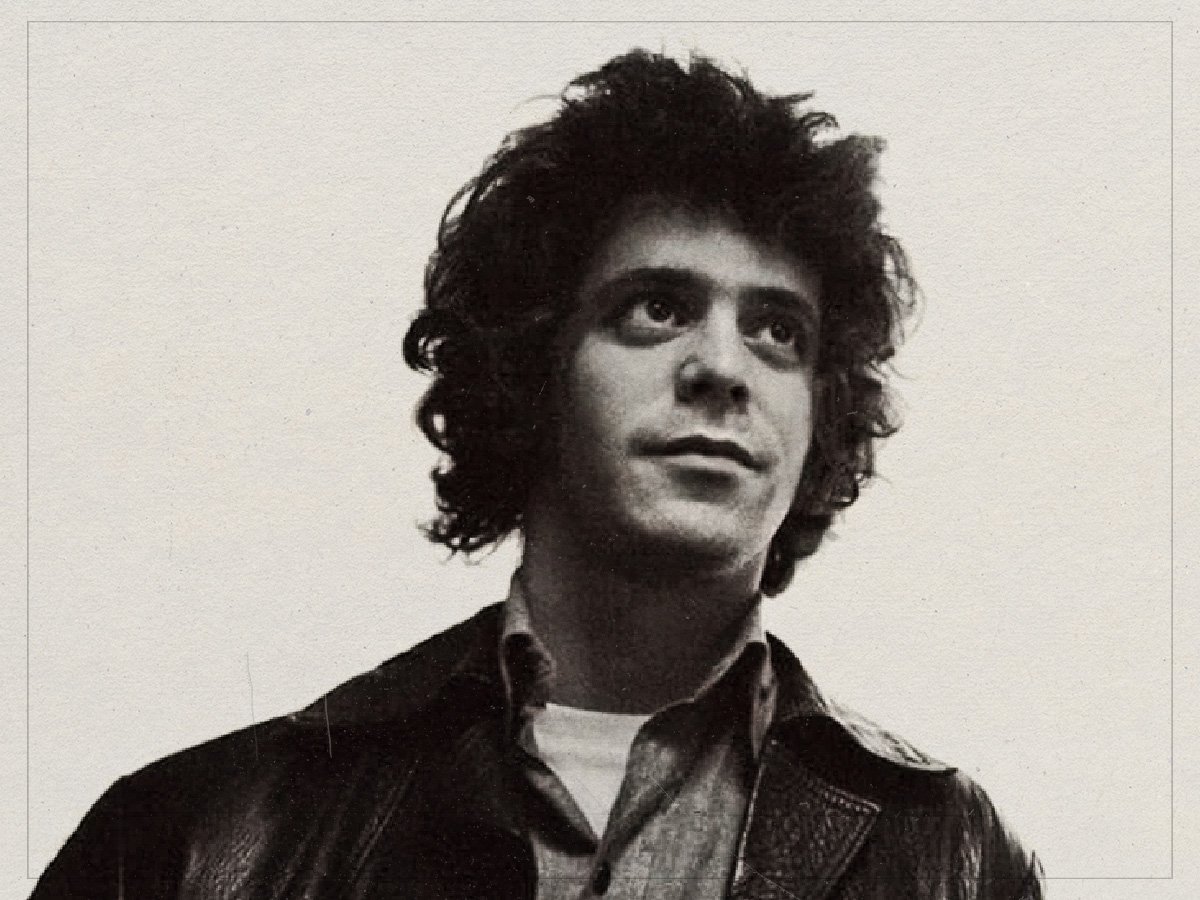
(Credits: Far Out / Album Cover)
Tue 2 December 2025 20:30, UK
For a songwriter who spent the majority of his existence as the king of the musical underground, you would be forgiven for assuming that the record collection of Lou Reed is populated by similarly cultish figures. In reality, though, the songwriter always held a candle for the classic sounds of R&B and rockabilly.
From Reed’s early days enmeshed in the underground of New York’s blossoming art scene, united with John Cale under a common penchant for sonic experimentation and a subversion of the norm, the songwriter rarely seemed to follow trends. In fact, with The Velvet Underground, he rallied against the prevailing peace and love attitudes of the hippie age, becoming a defiant voice for similarly inclined musical misfits and revolutionaries in the process.
Both with The Velvet Underground and beyond, Reed appeared to do everything in his power to turn the musical mainstream away from his work. Whether he was penning songs about the numbness and depravity of heroin addiction or tales of transgender sex work, mainstream consumption never struck him as being overly important, and any Lou Reed record that managed to break into the charts did so against all the odds stacked up by the music industry.
Logic would demand, therefore, that Reed’s listening habits were composed of an equally subversive, abrasive nature. While it is true that the songwriter always kept abreast of the emerging voices within the experimental realm, particularly in the case of his third wife, Laurie Anderson, he largely remained infatuated with the R&B and rockabilly records which had soundtracked his pre-Velvet youth.
If you look back at a long list of Reed’s all-time favourite songs, those two genres seem to have more of a presence than anything else, but one figure was always a consistent favourite for the songwriter: Roy Orbison.
At first glance, it is difficult to think of anything further away from albums like White Light/White Heat or Metal Machine Music than the timeless comfort provided by Orbison’s voice, but that is not to say that the thick-rimmed rockabilly hero cannot be felt at all within Reed’s discography.
Back in 1998, during a chat with Guitar World, the songwriter reaffirmed his adoration for Orbison, particularly his early material. “Roy Orbison when he played guitar – ’Ooby Dooby.’ That’s the kind of playing I go out of my mind over, to this day,” Reed declared. That track in question was Orbison’s first recording for Sun back in 1956, as the young Reed was coming-of-age.
That rockabilly favourite unites Orbison with Reed in multiple ways, if you look closely enough. Both performers were, after all, woefully underrated for their guitar talents. Orbison’s distinctive tones and incredible songwriting tended to overshadow his six-stringed skills, and similarly, Lou Reed is rarely hailed for the genius of his rhythmic playing style.
During the psychedelic boom of the counterculture age, Reed never seemed overly impressed by the sprawling guitar solos or self-aggrandising complexities of guitarists, so his love for Orbison and ‘Ooby Dooby’ certainly explains a lot both about his tastes and his own playing style. Sometimes simplicity is key, and throughout their respective careers, Lou Reed and Roy Orbison proved that fact time and time again.
Related Topics