

From norovirus to the flu, numerous winter bugs are circulating at this time of year. So, if you’re feeling a bit tired or achy, it can be hard to know whether you’re generally run down or you’re coming down with something.
Being run down is a term that’s often used to describe feeling low in energy and not quite yourself. It can have numerous causes, ranging from stress to hormonal imbalances to insufficient sleep, but the signs can resemble the early symptoms of a virus.
So, how do you know if you’re run down – or if you have an illness? We asked two GPs to explain what the differences look like, the symptoms to watch for and when it’s time to visit the doctor.
What being run down usually looks like
According to Dr Reem Hasan, chief medical officer at Vista Health and an NHS GP, there are signs that differentiate being run down from having a virus.
“When someone is ‘run down’, their symptoms tend to be more generalised, milder, and fluctuate across the day, rather than following the pattern of an infectious illness,” she tells Yahoo UK.
She says common signs can include:
Low energy and fatigue that improve with rest
Brain fog or difficulty concentrating
Mild aches or headaches (without fever)
Feeling emotionally fragile or irritable
A sense you’re “not yourself”
“These symptoms are often associated with stress, overwork, poor sleep, dehydration, or insufficient nutrition and do not usually involve fever, acute pain, or rapidly worsening symptoms, which are more typical of infection,” Dr Hasan explains.
Dr Kazim Dhanji, a Doctify-rated GP, agrees that feelings of tiredness or burnout often show up gradually rather than suddenly.
“We all have periods where we are just tired, fatigued, a little bit stressed out,” he says. “I think [feeling run down] manifests itself as a bit more tiredness, lacking energy levels, and maybe some reduced concentration – those are the main signs of fatigue [that can come over time],” he tells Yahoo UK.
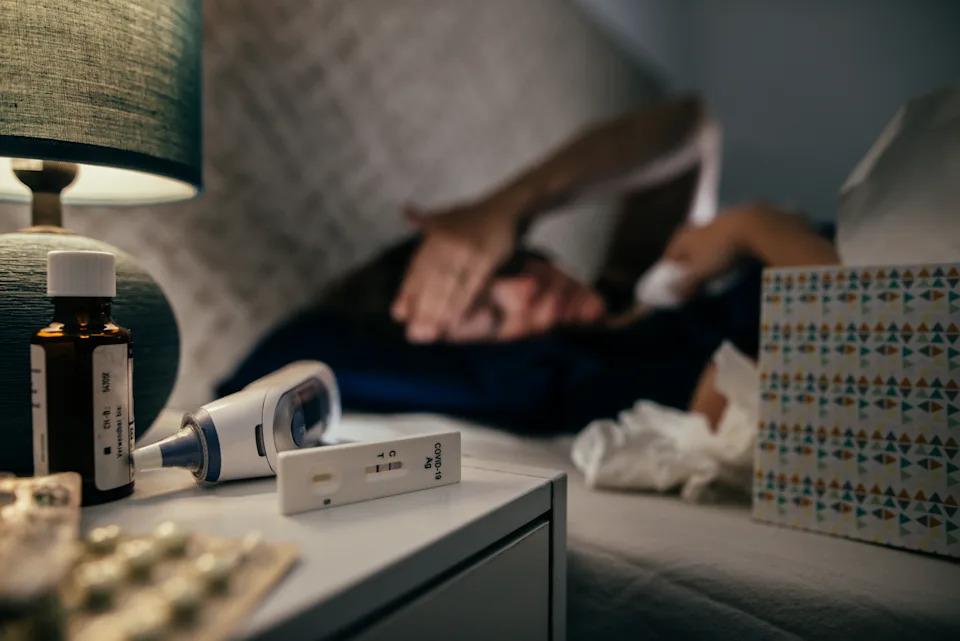
Fever and body aches are more likely signs of infection than fatigue. (Getty Images)
Signs it may be an actual infection
When an infection is brewing, your body usually tells you.
Both GPs and NHS guidance say symptoms more likely to point to infection include physical symptoms such as:
Sudden onset (rather than slow build-up)
Sore throat, cough, runny nose
Dr Hasan adds that infections often hit specific parts of the body – so you might have localised pain (in say the ear, chest, stomach, bladder), whereas burnout or feelings of extreme fatigue or tiredness tend to affect you more generally.
“Infections tend to affect specific body systems and often cause measurable physical changes mentioned above. In contrast, being run down or burnt out rarely produces high fevers or sudden, severe symptoms,” she says.
Why you feel like you’re getting sick (and what actually helps)
Feeling drained, achy or under the weather doesn’t always mean you’re coming down with something. Both GPs say everyday lifestyle pressures can trigger symptoms that feel like an illness, even when you don’t have an infection. These can include:
😴 Not getting enough sleep
A run of poor nights can take a real physical toll. Dr Hasan explains that lack of sleep can cause “fatigue, low mood, cognitive slowing, headaches, and even mild sore-throat sensations” — all symptoms that people often mistake for a cold.
What helps:
Treat sleep as recovery time, not a luxury. Stick to a regular bedtime, keep the bedroom cool and dark, and aim for 7-9 hours a night to let your body reset properly.
Stress
Stress won’t give you a virus, but it can make you more vulnerable to one. Dr Dhanji says: “When we are a bit more stressed… we’re a little bit more susceptible to infections.”
Dr Hasan adds that stress itself can also produce physical symptoms, even without an illness: “Chronic stress activates cortisol pathways that mimic viral symptoms such as aches, tiredness, and low appetite.” If things haven’t improved after proper rest, she warns that it can be a sign that something else is going on.
What helps:
Lowering stress won’t be instant, but building in breaks, getting out in the daylight and moving your body gently — such as a short walk — can help your nervous system settle.
🚰 Dehydration
Not drinking enough can have a big impact on how you feel. “Dehydration alone can trigger things like headaches, dizziness, reduced concentration, fatigue and dry mouth,” says Dr Hasan.
What helps:
Drink little and often. Water is best, but teas, soups and diluted juice also help. Pale urine is a good sign you’re hydrated.
💊 Low vitamin levels
Deficiencies can leave you feeling worn down long before they become apparent on the surface. Dr Dhanji says “reduction in vitamin B12 or folic acid can cause persistent tiredness”, often with aches and low energy too.
He also flags vitamin D as a common issue in winter, adding that “low vitamin D can also be associated with fatigue”, particularly in people with darker skin, who absorb less vitamin D from sunlight.
What helps:
Eat well, get outside in daylight, and don’t ignore ongoing fatigue. A blood test can help determine whether low vitamin levels are contributing to the problem.

Persistent tiredness is worth checking, especially if it’s new. (Getty Images)
When does feeling run down mean seeing your GP?
Most fatigue should lift with rest over a few days.
But Dr Hasan says seek medical advice if:
Fatigue lasts longer than two weeks
It affects work or daily life
You lose weight unintentionally
You have night sweats or a persistent fever
You get chest pain, dizziness or palpitations
Your mood changes significantly
Symptoms worsen with a long-term condition
If symptoms last beyond 7–10 days despite proper rest, that’s a red flag, she says.
Ultimately, you know your body best and if something feels off, get it checked by your GP.