
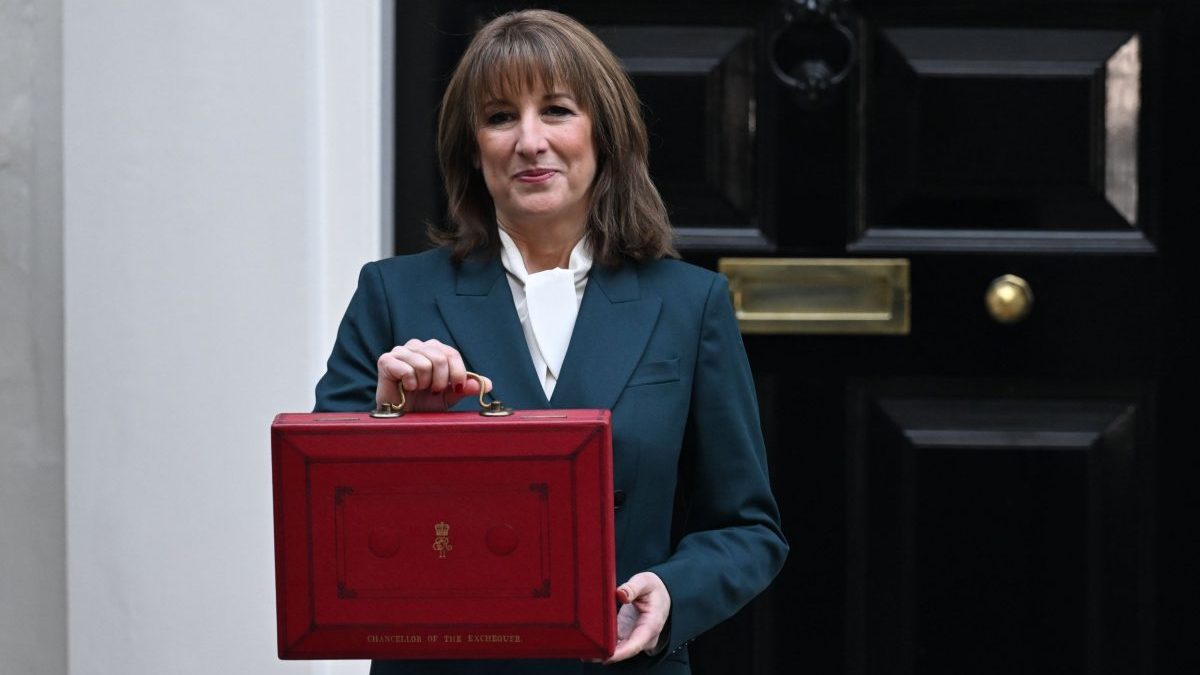
Employers will also face extra costs from the move to cap salary sacrifice schemes, according to the Government’s own analysis
Over three million pension savers look set to be hit by Rachel Reeves’s cap on the amount workers can sacrifice from their salary tax-free, official figures show.
Around 7.7 million people divert some of their wages into their pension under so-called salary sacrifice schemes at the moment, according to the Government’s own impact assessment.
Under these schemes, workers do not currently pay income tax or national insurance (NI) on pensions savings, while their employer also avoids paying NI.
New FeatureIn ShortQuick Stories. Same trusted journalism.
But savers making salary sacrifice pension contributions above £2,000 a year will face paying NI from April 2029, under changes announced by the Chancellor at last week’s Budget.
According to the Government’s analysis, around 3.3 million of the 7.7 million workers benefiting from salary sacrifice currently save more than this £2,000 limit.
The cap could cost these employees an average additional tax bill of £84 per year, according to the impact assessment.
£84 a year in extra tax would equate to £420 over five years, but the figure could be even greater if the cap remains at £2,000, as salaries will rise over that period.
Some workers might also stop using salary sacrifice if they lose this tax benefit, the Government admits.
Former pensions minister Sir Steve Webb said that the measure would reduce incentives to save.
‘Serious backward step’ for savers
Sir Steve, now a partner at consultancy LCP, said: “A Budget measure that was largely seen as complex and technical could have significant real-world implications for millions of workers.
“At a time when the nation as a whole has a significant ‘under-saving’ problem, this change will make matters worse. On the Government’s own estimates, around 3 in 7 of the workers who use salary sacrifice to pay into their pensions will be hit by the change, whilst employers will face a bigger hit because of their higher rate of NI contributions.
“Although employers have time between now and 2029 to consider their options, there is a risk that some will simply cut back on the generosity of their workplace pension offering, which would be a serious backward step.”
The measure will affect more people than was previously suggested in the Budget, the impact assessment shows.
In the Budget document, the Government said that among basic-rate taxpayers, just 26 per cent would lose out as a result of the policy.
Higher earners are more likely to face bigger tax bills due to the change.
Those with large wages often use salary sacrifice because lowering their pay can move them into a lower tax band or mean they owe tax on a smaller amount of their income.
Workers on low salaries are less likely to breach the £2,000 cap.
31-50 age group most likely to be hit
The assessment also shows that workers aged between 31 and 50 are most likely to be hit.
It says: “In particular, those who are aged 31 to 50 (52 per cent) are estimated to be overrepresented compared to their prevalence in the employee population in general (44 per cent).”
Businesses will face increased costs due to the change as under salary sacrifice arrangements employers reduce their own NI bills.
The change is expected to have an impact on 290,000 employers, who will now need to account for relevant pension contribution amounts and pay NI, according to the impact assessment.
It also says they will face some other one-off costs that include updating software and training staff.