
There’s a vast cost gap between gas and renewable power – and it’s only going to get bigger
Plans to build the UK’s largest solar farm in the Lincolnshire countryside are so unpopular with residents that the leader of the county council has promised to put on his wellies and lie down in front of the bulldozers to stop it being built.
This is not perhaps surprising given that Sean Matthews, the council leader in question, is a member of Reform UK – a party which successfully campaigned in Lincolnshire with the slogan “No to net zero madness” and frequently deploys the issue as a heavy weapon in its culture wars.
But, his view that Tillbridge Solar Farm’s 3.5 square miles of panels and other infrastructure would amount to “vandalism of our beautiful country” clearly resonates with many, as the party’s recent election success in the county attests. Protestors in Lincolnshire say new solar farms will turn an area just north of Lincoln, taking in 30 villages and around 30,000 residents, into a “huge black mirror” of solar panels.
What is happening in Lincolnshire is also happening across the country. In Norfolk there is stiff opposition to proposals for the first of a new generation of giant pylons and overhead high-voltage electricity cables needed to carry the energy created by the many new solar, wind and nuclear projects in the pipeline. The 114-mile cable route, running from Norwich to Tilbury in Essex, is just one of 17 major projects planned by National Grid, in what it describes as the largest overhaul of the electricity grid in generations.
Solar panel installations on homes hit record levels this year. Dozens of small nuclear power stations are also due to be built in the next couple of decades, while a new generation of gigantic onshore wind farms are expected to spring up in the English countryside after the Government lifted an effective ban on them in England that had been in place since 2015. One proposal would see 41 turbines with blade tips rising 200 metres into the sky (42 metres higher than Blackpool Tower) put up near Hebden Bridge on the South Pennine Moors, making it England’s biggest wind farm.
The solar and wind power revolution will transform large parts of the landscape, as Britain works frantically to close down almost all remaining gas-fired power stations in the next five years and replace them with “clean” energy. The Government is looking to double the total amount of electricity generated in the UK by 2050 as the country weans itself off gas central heating and onto more environmentally-friendly heat pumps, which run on electricity.
All of which will require dozens of huge new solar and wind farms, and mile after mile of high-power overhead electricity cables to plug them into the grid and transport the electricity to people’s homes up and down the country.
Most of that infrastructure will be built in the countryside, with Lincolnshire in particular set to see a protracted bout of construction. Labour has given the green light for four of the UK’s biggest solar farms to be built in the area since returning to power. The four giant windfarms would collectively cover an area of 15 square miles spread across 100 square miles of land.
The Government insists that the development will take up less than 1 per cent of the UK’s agricultural land. But many locals are understandably angry and anxious about the huge disruption to their particular part of that 1 per cent during construction; to their lives, the spoiled views afterwards and the risk of falling house prices.
From a national perspective, though, there are strong arguments in favour of this wave of development. First and, for many, foremost, they pave the way for cheaper energy bills.
In fact, the cost of power generated by solar and wind farms built in recent years is already generally much lower than that produced by gas-fired power plants. Government analysis found that electricity generated by a gas-fired power plant built now would be almost three times more expensive than that produced by a solar or onshore windfarm; gas would cost £114 per mw/h compared to £41 for solar farms and £38 for onshore wind. And that gap will only widen as expertise in solar and wind power improves.
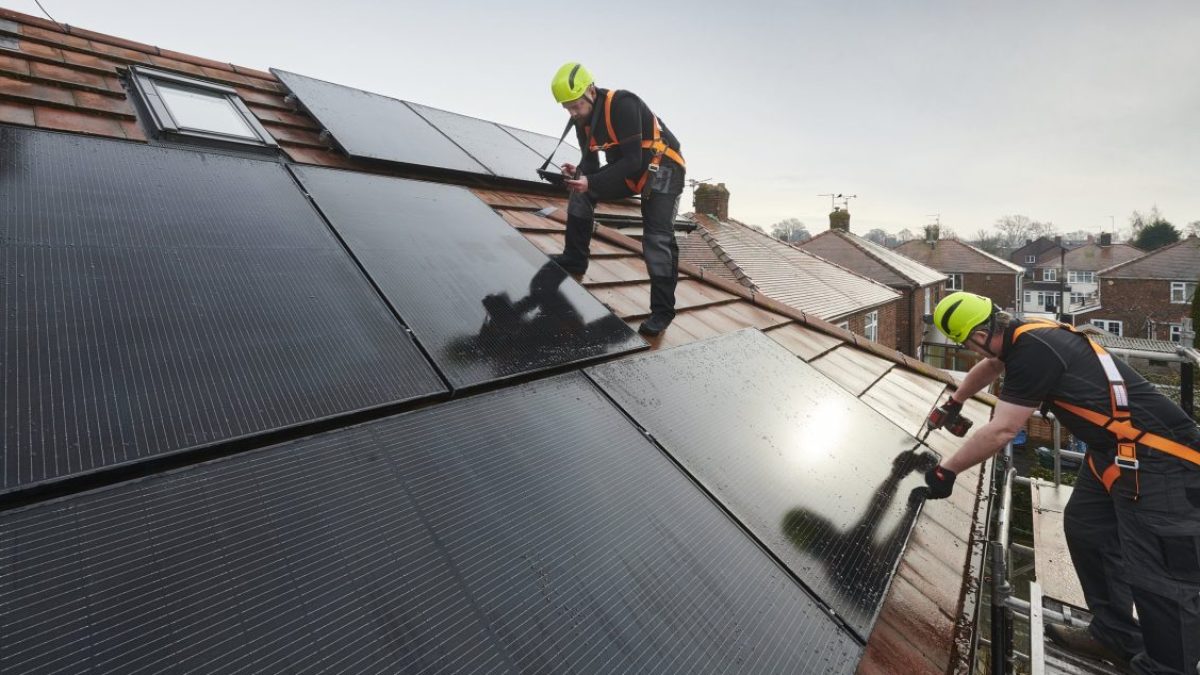
Homes with their own solar panels have seen energy bills plummet too, though for many those savings will be needed to repay the upfront costs of the installations. Still, a typical homeowner can expect to save £500 a year from their solar panels. The average installation cost of around £7,000 is typically paid off between eight and 15 years after, depending on the efficiency of the panels – and how much sun they see.
For those of us without solar panels, the effects of the cheaper renewable energy produced by power companies have yet to show up clearly in our bills because they are being masked by the high upfront costs of building new solar and wind farms and of overhauling the electricity grid.
A £28bn investment in the energy network announced this week, rising to £90bn by 2031, is a case in point: it will add about £108 to annual bills by 2031 (£48 of that spent on maintaining the gas network and £68 upgrading the electricity grid), but Ofgem says it will also save £80 a year. So, we end up with a net bill of £30 for work that paves the way for cheaper bills in future.
Meanwhile, the energy price cap is set to go up by £3 a year on January 1, although the average energy bill will be cut by £150 from April after the Government announced it would move some of those wind and solar subsidies from electricity bills into general taxation in last week’s Budget.
But if new solar and wind farms weren’t being built, our ageing fleet of gas power stations would instead need substantial maintenance investment which would also push up bills in the short term. Persevere with renewables, however, and annual energy bills are predicted to be £716 cheaper in 2050 than today, with households saving an additional £700 at that point by swapping their petrol or diesel vehicle for an electric one, according to Government advisor the Climate Change Committee.
Clean energy also represents a significant economic opportunity, with the net-zero sector already supporting nearly one million jobs across the UK and Government plans to create a further 400,000 jobs in the sector in the next five years.
Your next read
Another key benefit is that home-grown electricity from UK wind and solar farms and nuclear power stations improves the country’s energy security. That reduces our reliance on gas imports from Russia and elsewhere and puts us less at the mercy of rollercoaster gas prices, set by global forces over which the UK has little to no control.
And without significantly ramping up our solar and wind output, there would be no chance of the UK doing its bit to tackle climate change by meeting key climate targets, such as producing 95 per cent of its electricity from “clean” sources by 2030. Historically, despite its small size, the UK has been one of the world’s biggest producers of planet-warming CO2 due to its central role in the industrial revolution. This arguably adds a moral imperative to the financial and political incentives.
We shall see whether council leader Sean Matthews makes good on his promise to lie down in front of the bulldozers. But whatever stunts sceptics of renewable energy pull, they won’t be able to change the truth: it’s cheap, getting cheaper and householders are already starting to feel the benefits.