
Three million workers who pay into their pensions using salary sacrifice will be hit by Rachel Reeves’s budget tax raid, new government analysis shows.
In her second budget, the chancellor announced she is capping the amount an employee can pay into their scheme without paying national insurance contributions at £2,000 a year. Anyone who pays above this will have to pay national insurance from April 2029 — 8 per cent on income below £50,268 and 2 per cent on earnings above that.
An impact assessment released by the government on Thursday estimates 7.7 million employees currently use the scheme. Of these, 3.3 million sacrifice more than £2,000 of their pay or bonuses.
It means 4.3 million will not be affected as the amount they contribute is below the threshold.
The government said employees with salary sacrifice contributions are estimated to be of “typical working age”, with about half aged from 31 to 50. Men make up more than 59 per cent of contributions.
It is estimated the tax rise will raise £4.8 billion in the first year and £2.6 billion in 2030/31.
The former pensions minister, Sir Steve Webb, who is now a partner at consultancy LCP, said: “A budget measure that was largely seen as complex and technical could have significant real-world implications for millions of workers.
“At a time when the nation as a whole has a significant ‘under-saving’ problem, this change will make matters worse.”
• The budget has wrapped your money in even more red tape
Take-home pay to fall
When the changes come into effect, employees who pay above the cap will need to pay national insurance on the portion of money above the threshold. Their employer will also have to pay additional contributions.
Earlier analysis from LCP found that those who earn between £40,000 and £52,000 will be hit disproportionately hard by the budget, as they face a “triple whammy” of tax rises. Alongside the salary sacrifice changes, the government froze income tax thresholds and the level at which graduates start to repay their student loans.
Those who are affected will see their take-home pay fall from April 2029.
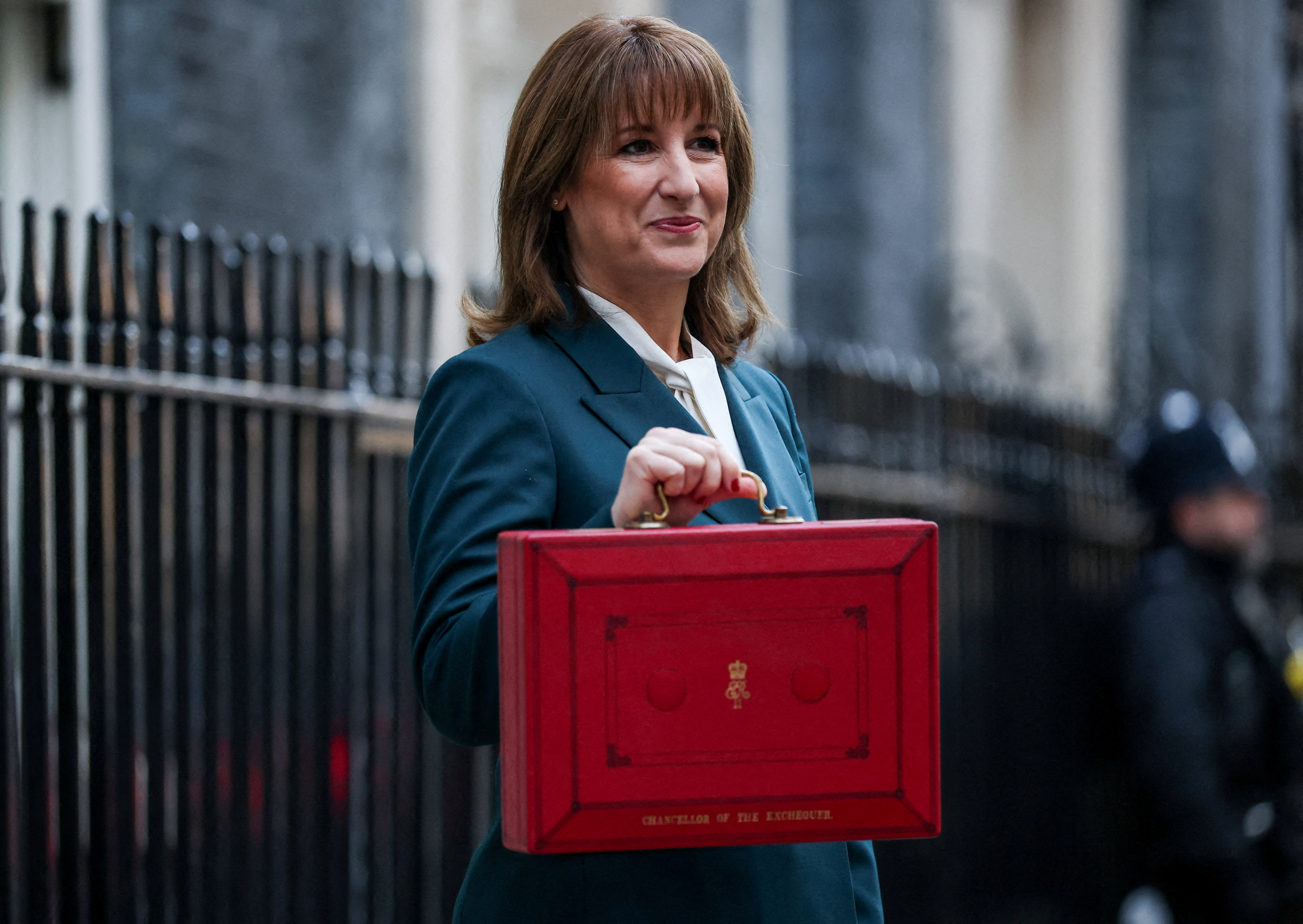
Rachel Reeves again substantially raised taxes in the budget
ISABEL INFANTES/REUTERS
And while this is more than three years away, there is a risk that some employers may “cut back on the generosity of their workplace pension offering”, Webb said, which would be a “serious backward step”.
Experts have also warned that the cap could put people off saving into their pensions, at a time when the UK needs to increase the amount it is putting aside for retirement. Figures from investment platform Hargreaves Lansdown show that only 43 per cent of households are on track for an adequate retirement income.
• I love working but it no longer makes sense after that budget
Rob Morgan, an investment analyst from wealth manager Charles Stanley, said the changes would badly affect millions of ordinary workers.
“People need to put aside more, not less, to ensure an adequate income in their later years,” he said. “It also represents another sizeable expense for many employers already struggling with cost pressures, as well as an administrative headache.”