
Although this was the first time that Namibia tabled the two proposals seeking the lifting of the ban on the rhino horn trade, the country has backed similar proposals by other southern African countries including South Africa, Eswatini and Zimbabwe in the past.
Experts say the main reason these countries want the ban to be lifted is because of the huge stockpiles of rhino horns they have amassed over the years.
“Namibia and other pro-trade rhino range states have amassed large stockpiles of rhino horn they wish to trade,” Taylor Tench, senior wildlife policy analyst with the Environmental Investigation Agency, told the BBC.
“Namibia’s stockpiles are an estimated 6.45 tonnes of white rhino horn and an estimated 4.6 tonnes of black rhino horn. South Africa, on the other hand, likely has at least four times as much.”
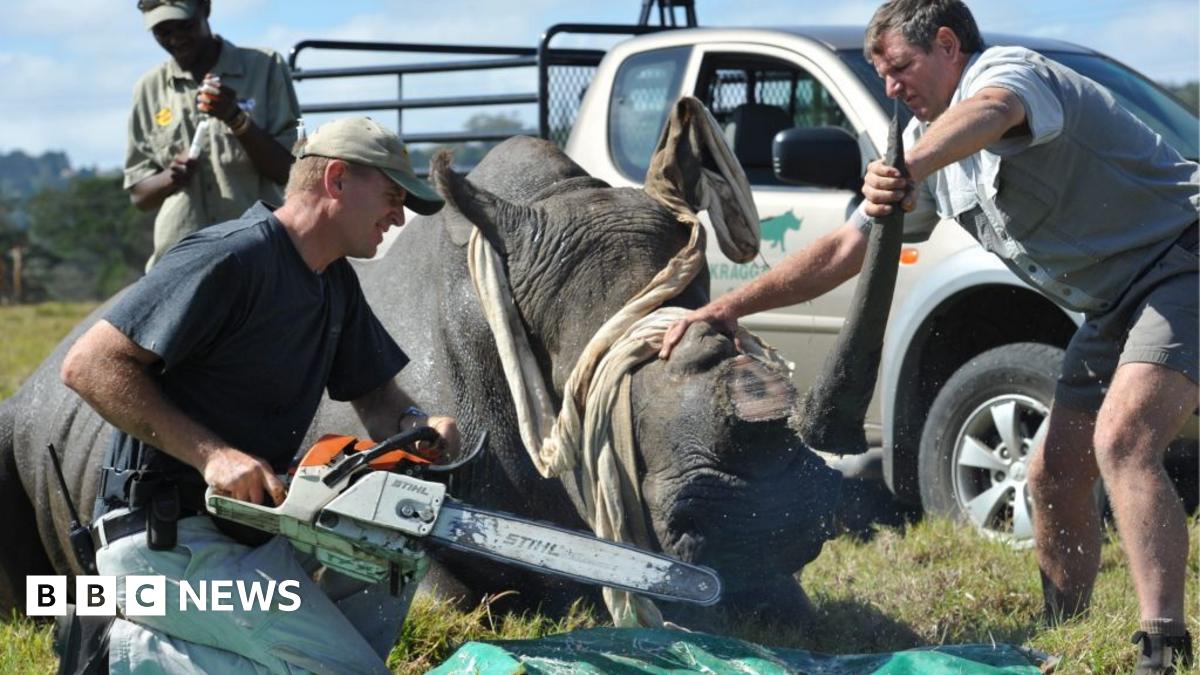
The main reason why these countries have rapidly growing stockpiles of horns is believed to be the dehorning programme.
The idea is that if a rhino does not have a horn, it is of no value to poachers and so won’t be killed.
The horn is removed above the growth plate, just like humans cut their nails, which means it is painless.
But it also means that the horns grow back and need to be sawed off repeatedly.
As a result their stockpiles are rapidly accumulating.
“The reason for not destroying the horn is speculative stockpiling, by both governments and private individuals,” said Mr Tench.
“Some countries, like Kenya, destroy their rhino horn stockpiles, while others, like Namibia and South Africa, stockpile the horn in the hopes of cashing in if international trade is ever legalised.”
The governments of both countries have been approached for comment.