
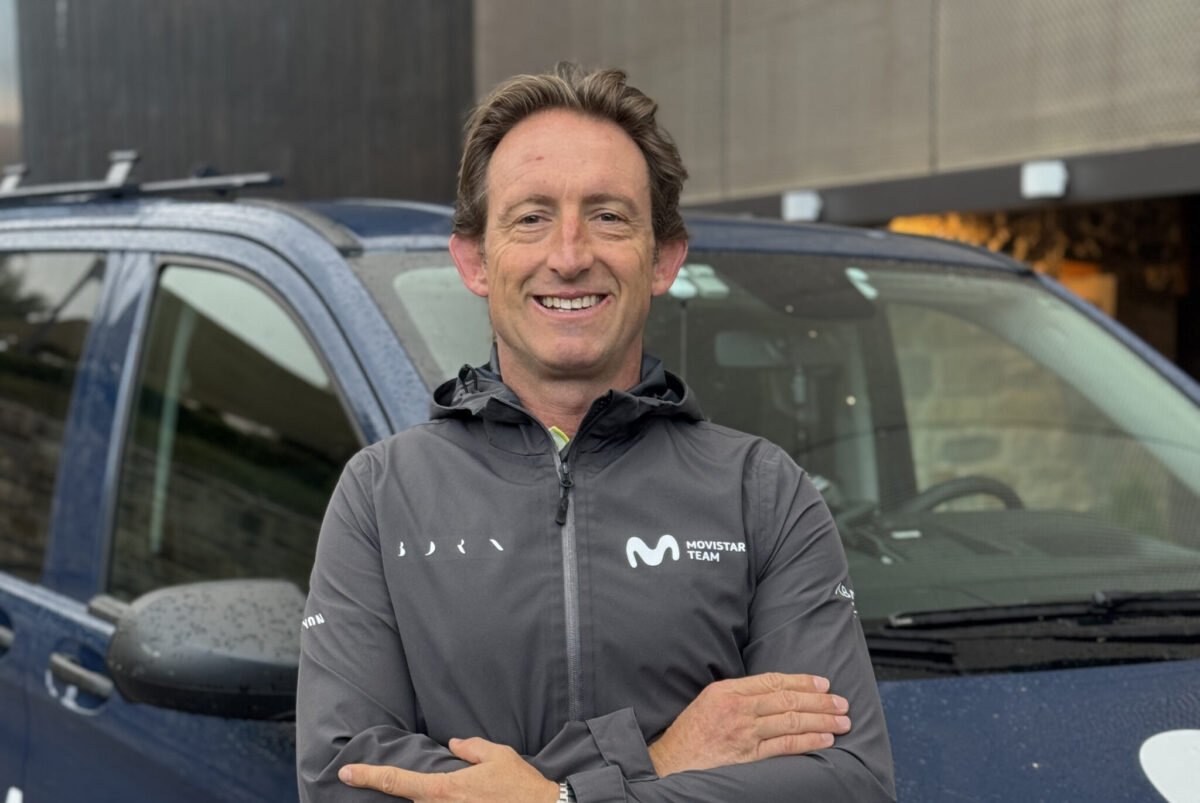
 Matt White has now been signed as a senior manager by Movistar Team and has warned of the perils of cycling’s move towards recruiter younger and younger riders
Having been relieved of his duties at Team Jayco AlUla midway through the 2025 season, Matt White has predictably bounced back; as the new ‘head of sport’ in the upper echelons of management at Movistar.
With almost two decades of management experience under his belt, former pro rider White says the growing trend of pro teams recruiting younger and younger riders is both high risk and expensive.
He also questioned how many of the current generation of youngsters – in World Tour teams and their U23 development squads – will make it as fully fledged pro riders.
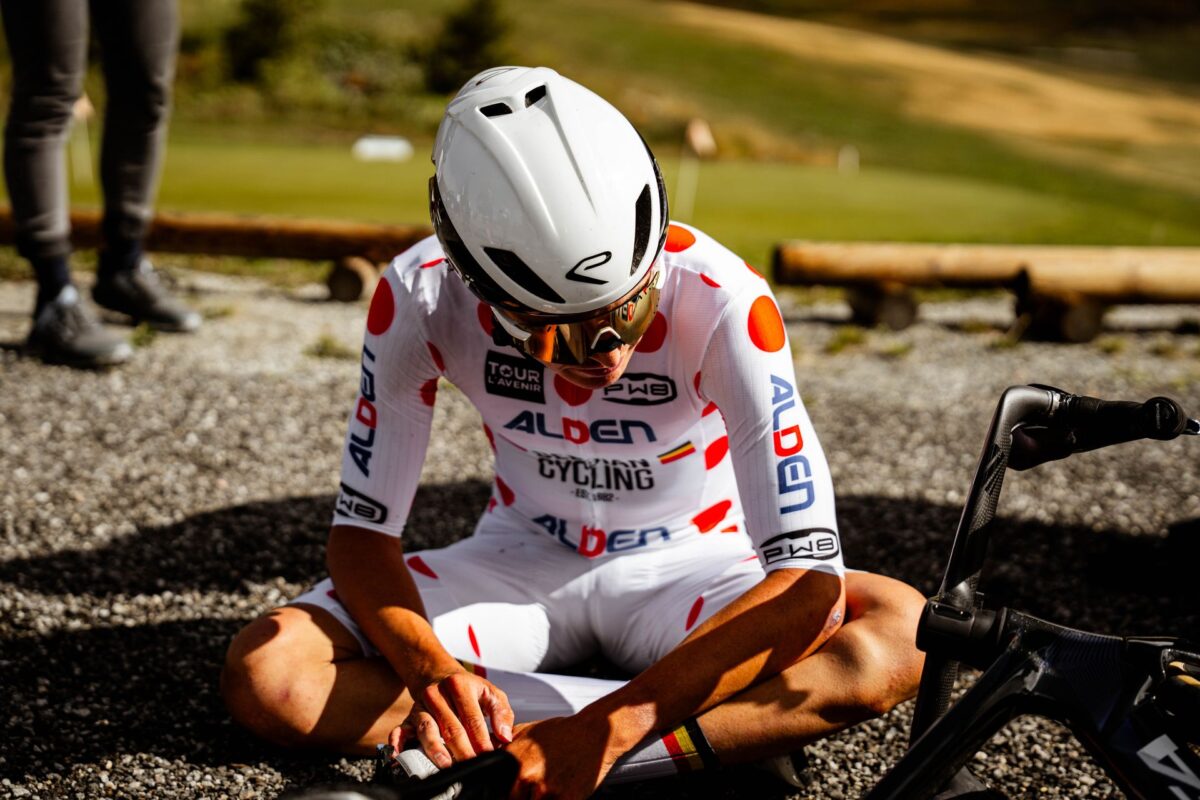
“What I’m seeing now is that there’s a level of professionalism and work that these kids are doing that’s pretty scary,” he said in an interview with The Cycling Podcast.
“You’re seeing kids trying to turn professional… juniors, second year juniors, doing 20,000 plus kilometres a year. If someone’s doing, really, the same kilometres as a professional when they are an 18-year-old, how much room have they got to improve?
“The younger you go (recruiting riders), the more you are gambling because… it’s a very small percentage that go on and actually make it. A kid at 16 or 17 that loves the sport, and it’s a dream to be professional… who’s to say they’re not burned out in a couple of years.”
He added the pressure on teams to find the next big thing when they are very young and sign them up is also putting pressure on World Tour team budgets through their U23 development squads.
“A lot of the development teams are paying their athletes €20,000+ per year… And you’re talking about 17-18 year old kids. These are probably the same salaries people were getting to turn professional 15 years ago.”
White also said that any rider, irrespective of how young they are when they throw themselves into their cycling, or how young they are turning pro, still only had about a decade in the top flight.
He believed riders would find it impossible to maintain the mental commitment required to compete in the top tier for more than a decade. After that, their performance would inevitably decline.
And it would decline in a market where teams are now much more likely to let riders go, in favour of younger athletes, immediately their performance began to wane.
Aside from teams letting older riders go, racing is also now more cut throat and aggressive and the peloton is no longer “a fun place to be for a long time”.
White said running a team is now much more expensive than ever, with the costs continuing to grow. World Tour teams now had U23 development teams and many also had women’s teams.
A World Tour team with a women’s team probably had 130 to 150 employees, including riders, compared to 50 people a decade ago, he said. Added to that, so-called ‘super teams’ like UAE Team Emirates XRG had so much money they were influencing the salary market. Other teams are struggling to keep up and offering higher and higher salaries to sign riders.
White said teams are no longer looking for €4 million sponsorships like years ago. Instead, they’re looking for sponsors to commit to €7-10 million or a title sponsor for €15 million.
“You’re not looking for furniture companies or local companies,” he said of sponsors. “You’re looking for major corporations or countries. It’s a very different outlook… it’s unsustainable.”