
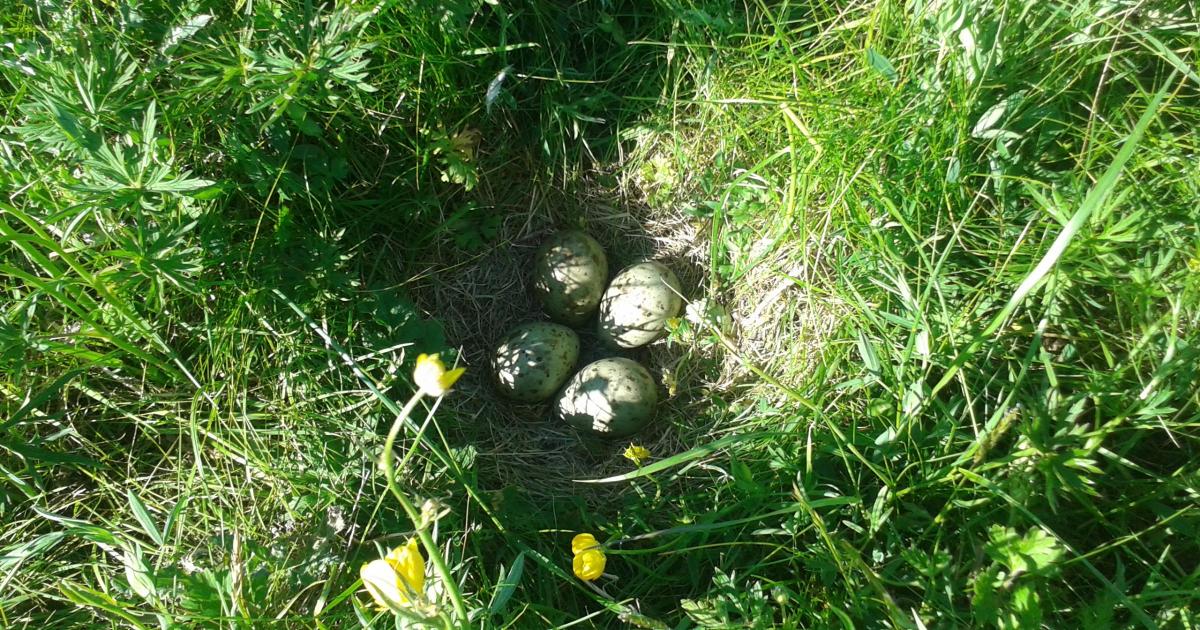
The Game & Wildlife Conservation Trust has today (December 5) presented evidence pointing out the threats to some of the country’s most threatened ground nesting birds, including the curlew, pointing to badgers being the main culprit.
Their research suggests badgers are one of the main threats to the survival of red-listed ground-nesting birds including lapwing and curlew, and the risks of nests being predated increase during cold or dry weather when their stable diet of earthworms is less accessible.
However the Herefordshire Curlew Project said they were quite surprised to see the high numbers of nests being robbed by badgers.
Boxing Day hunt meet confirmed for town: where and when
Update on plans for new KFC as officer’s recommendation revealed
Fears as pubs left in the dark after budget announcement
The project has been using camera traps itself and although the sample size is small, they have not yet recorded any attacks by badgers, although that have confirmed evidence of predation by foxes and carrion crows.
A spokesman added: ” That is not to say that they are not involved in wader nest predation here – we have recorded many instances where we have been unable to identify the culprit as we have not had a camera on the nest.”
However he added that it would seem that although culling of badgers might improve wader nest outcomes in certain areas, it is unlikely to have any benefit in Herefordshire.
What are your thoughts?
You can send a letter to the editor to have your say by clicking here.
Letters should not exceed 250 words and local issues take precedence.
The campaign spokesman added that in terms of Lugg Meadows, he was also sorry to say that this year once again there were no breeding curlew recorded.
In previous years when they did nest in Hereford they electric fenced some of the nests which obviously ruled out fox and badger predation, but this did not stop loss of eggs to crows.
“It seems even less likely that a badger cull would help this site.”
The Game & Wildlife Conservation Trust says it has data from 2,000 cameras across the UK which provides the clearest picture yet of which animals are responsible for nest predation.
Of 2,088 nests included in the analysis 29.2% were predated. Wader nests were most often predated by mammals. Badgers were responsible for 41.7% of wader nest predation, followed by foxes at 23%.
Stay updated with all the latest Herefordshire news that matters to you!
Andrew Hoodless director of research at GWCT, which contributed data to the study alongside other organisations including RSPB, Essex Wildlife Trust and Wildfowl and Wetlands Trust, said: “Continued improvement and restoration of habitat is critical for wader conservation but without predation management it can be in vain.
“This paper provides a valuable picture of the scale and nature of predation pressure across important bird breeding sites and will help inform management strategies for the protection of ground-nesting species. It also raises questions around how we tackle the threat from protected predators such as badgers.
He continued: “Given the urgent need to save some of our most iconic birds, we may need to make some difficult choices about licensing the control of certain species in particular circumstances, in order to protect others before it’s too late.”