
Your support helps us to tell the story
From reproductive rights to climate change to Big Tech, The Independent is on the ground when the story is developing. Whether it’s investigating the financials of Elon Musk’s pro-Trump PAC or producing our latest documentary, ‘The A Word’, which shines a light on the American women fighting for reproductive rights, we know how important it is to parse out the facts from the messaging.
At such a critical moment in US history, we need reporters on the ground. Your donation allows us to keep sending journalists to speak to both sides of the story.
The Independent is trusted by Americans across the entire political spectrum. And unlike many other quality news outlets, we choose not to lock Americans out of our reporting and analysis with paywalls. We believe quality journalism should be available to everyone, paid for by those who can afford it.
Your support makes all the difference.Read more
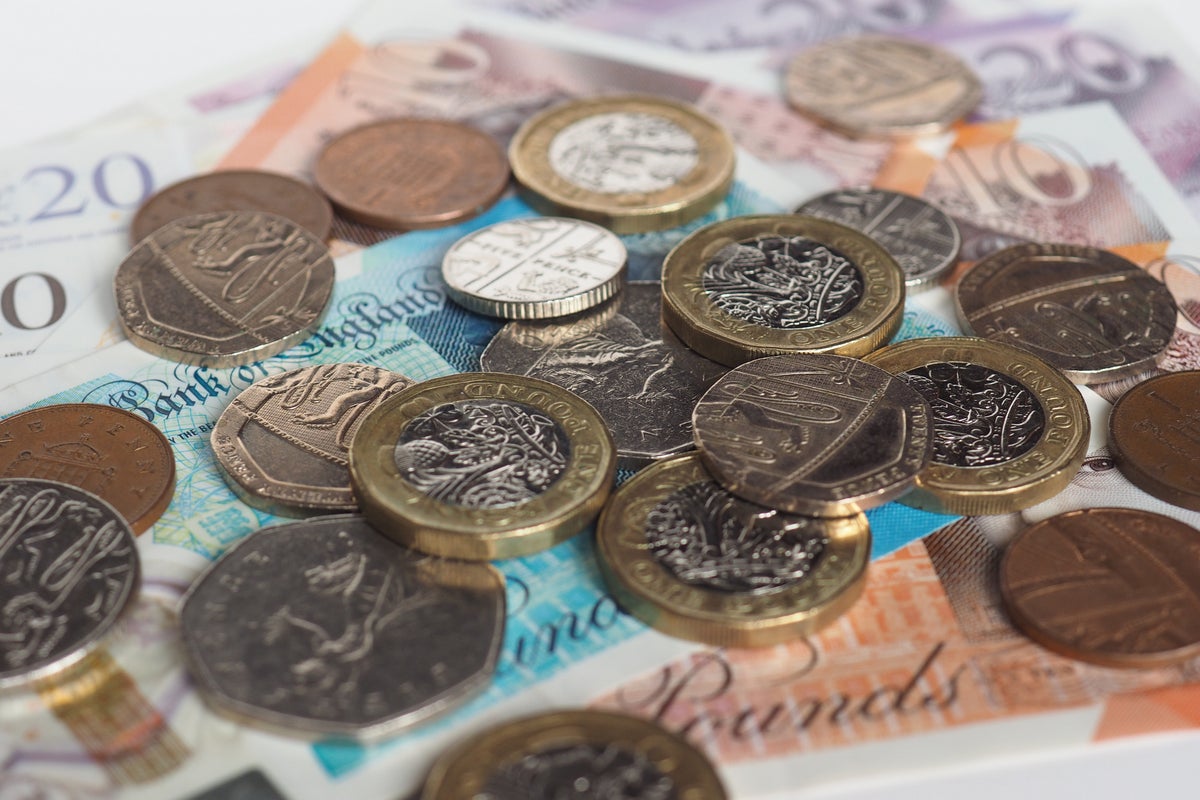
Thousands of benefit claimants have begun receiving their Christmas bonus from the Department for Work and Pensions (DWP).
The annual £10 payment is made automatically before Christmas, but only to those that claim qualifying benefits. These include carer’s allowance, personal independence payment (PIP), and pension credit. However, those claiming universal credit as a standalone benefit are not eligible.
Guidance from the government states: “The Christmas Bonus is a one-off tax-free £10 payment made before Christmas, paid to people who get certain benefits in the qualifying week.
“This is normally the first full week of December. You do not need to claim – you should get paid automatically.”
The payment will usually arrive in bank accounts with the reference ‘XB’ or ‘DWP XB’.
open image in gallery
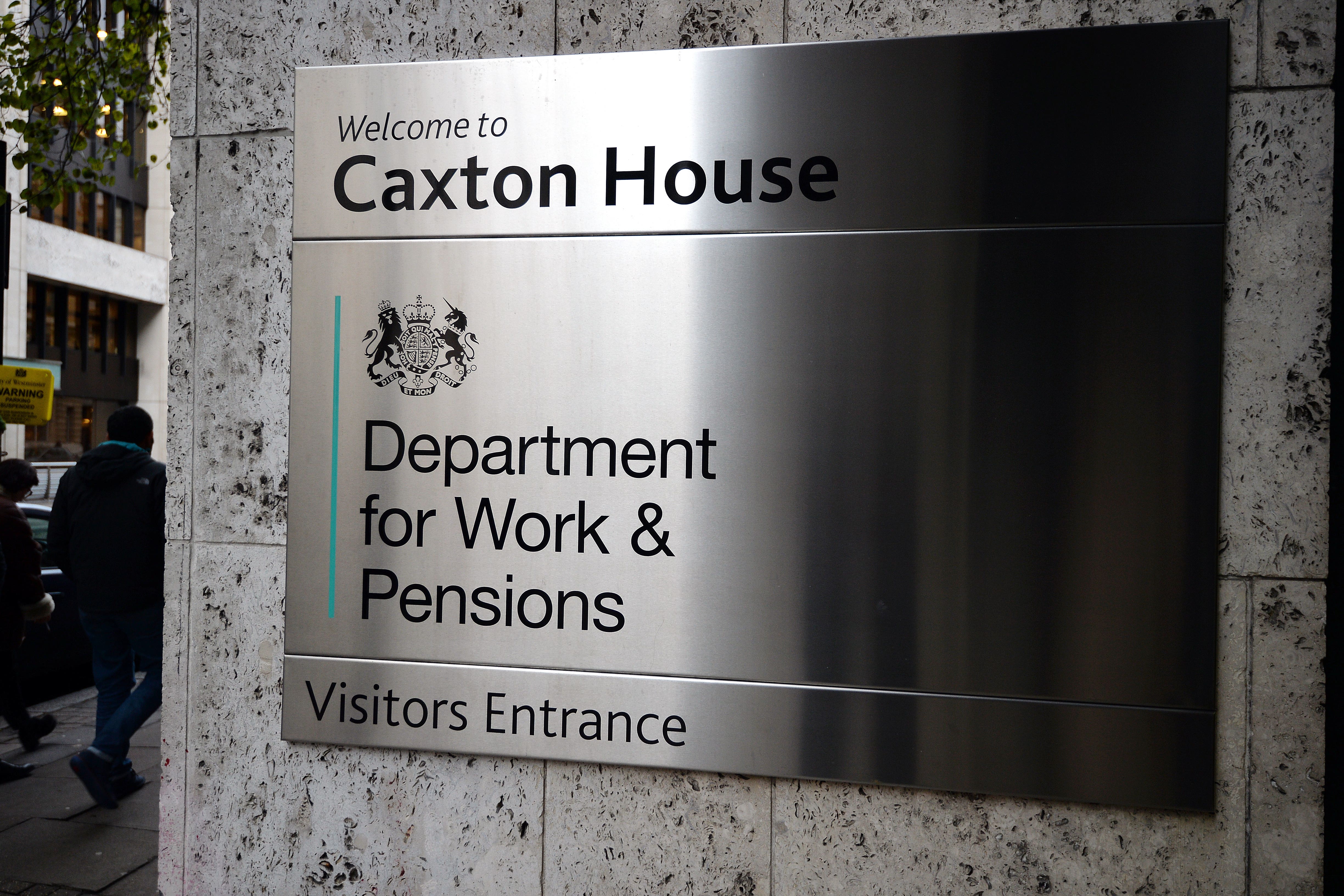
Thousands of benefit claimants are set to receive the Christmas bonus from the DWP this winter (John Stillwell/PA) (PA Wire)
Eligible claimants must be in receipt of one of the following benefits in the first week of December in order to qualify, as well as “ordinarily resident” in the UK, Channel Islands, Isle of Man or Gibraltar.
Those eligible are recipients of any of the following:
Adult Disability PaymentArmed Forces Independence PaymentAttendance AllowanceCarer’s AllowanceCarer Support PaymentChild Disability PaymentConstant Attendance Allowance (paid under Industrial Injuries or War Pensions schemes)Contribution-based Employment and Support Allowance (once the main phase of the benefit is entered after the first 13 weeks of claim)Disability Living AllowanceIncapacity Benefit at the long-term rateIndustrial Death Benefit (for widows or widowers)Mobility SupplementPension Age Disability PaymentPension Credit – the guarantee elementPersonal Independence Payment (PIP)Scottish Adult Disability Living Allowance (SADLA)Severe Disablement Allowance (transitionally protected)State Pension (including Graduated Retirement Benefit)Unemployability Supplement or Allowance (paid under Industrial Injuries or War Pensions schemes)War Disablement Pension at State Pension ageWar Widow’s PensionWidowed Mother’s AllowanceWidowed Parent’s AllowanceWidow’s Pension
Couples who are married, in a civil partnership, or cohabiting (in certain circumstances), will both receive a payment if both are receiving one of these qualifying benefits.
The government has been urged to boost the bonus in recent years, with the £10 sum remaining unchanged since 1972. This means it has degraded by over £100 after decades of inflation. To date, no plans have been announced to change the payment level.
There are also several key dates for benefit claimants to be aware of around the Christmas season, which will change when payments are received.
This year, most DWP payments due to fall on Christmas day (Thursday 25 December) or Boxing Day (Friday 26 December) should be paid on Christmas Eve (Wednesday 24 December) instead. This was the case in previous years, but is subject to final confirmation by the department, usually announced in December.