
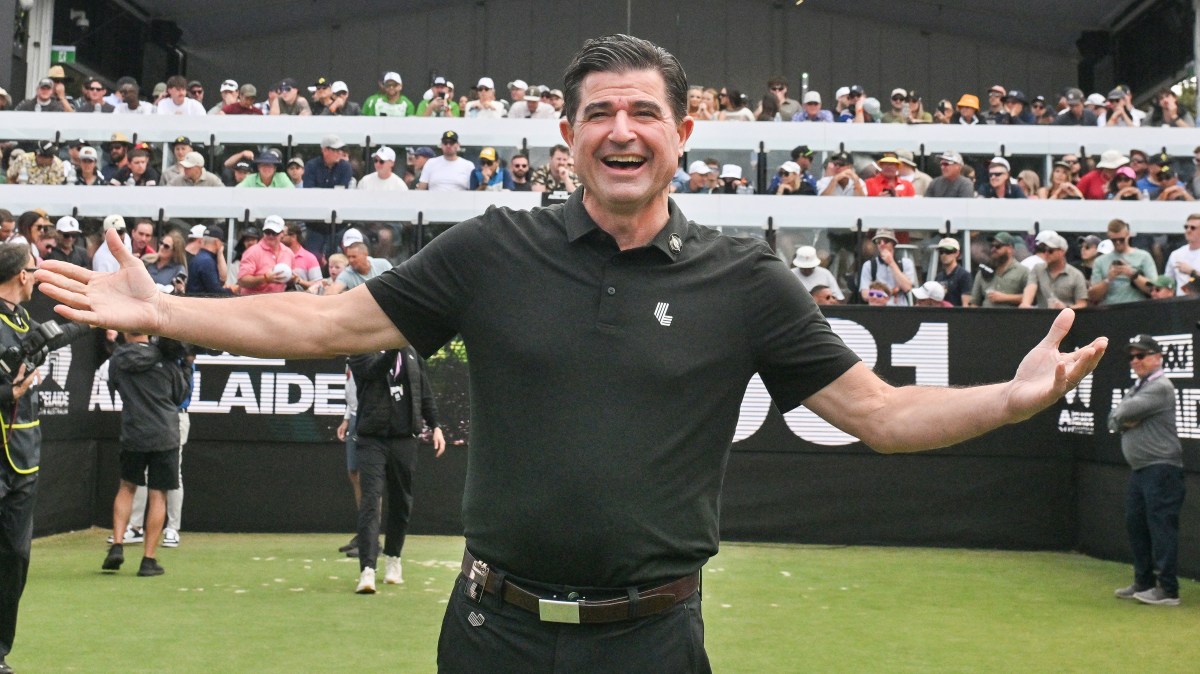
LIV Golf is ringing in the changes as we near the end of the year. In a wide-ranging interview, the Saudi-backed circuit’s chief executive, Scott O’Neil, said he hoped the league would gain world ranking approval by New Year’s Eve and is now targeting young rising stars in a marked shift of strategy.
December 31 is a big date in LIV history as it is also when the organisation, funded by the Saudi Public Investment Fund (PIF), will stop paying the fines imposed on its players by the DP World Tour (DPWT). So far LIV, which will move to 72 holes instead of 54 in 2026, has indemnified players against those sanctions for playing in conflicting events without an official DPWT release. This matters because players like Jon Rahm and Tyrrell Hatton — assuming they lose their pending appeals against those fines — will have to dig into their own pockets if they want to keep playing on the DPWT and, by turn, in future Ryder Cups.
It would be easy to portray that development as down to a lack of support from the PIF, but it could be a negotiating tactic by LIV to force a deal on sanctions. Sources say the two sides had been close to a deal before it fell through. Graeme McDowell, a LIV player who racked up $1.5million in fines, highlighted how this would affect the status quo when said: “As of January 1 Jon Rahm will be paying those fines . . . and I can tell you his attitude will change quite quickly towards the European Tour [now the DPWT].”
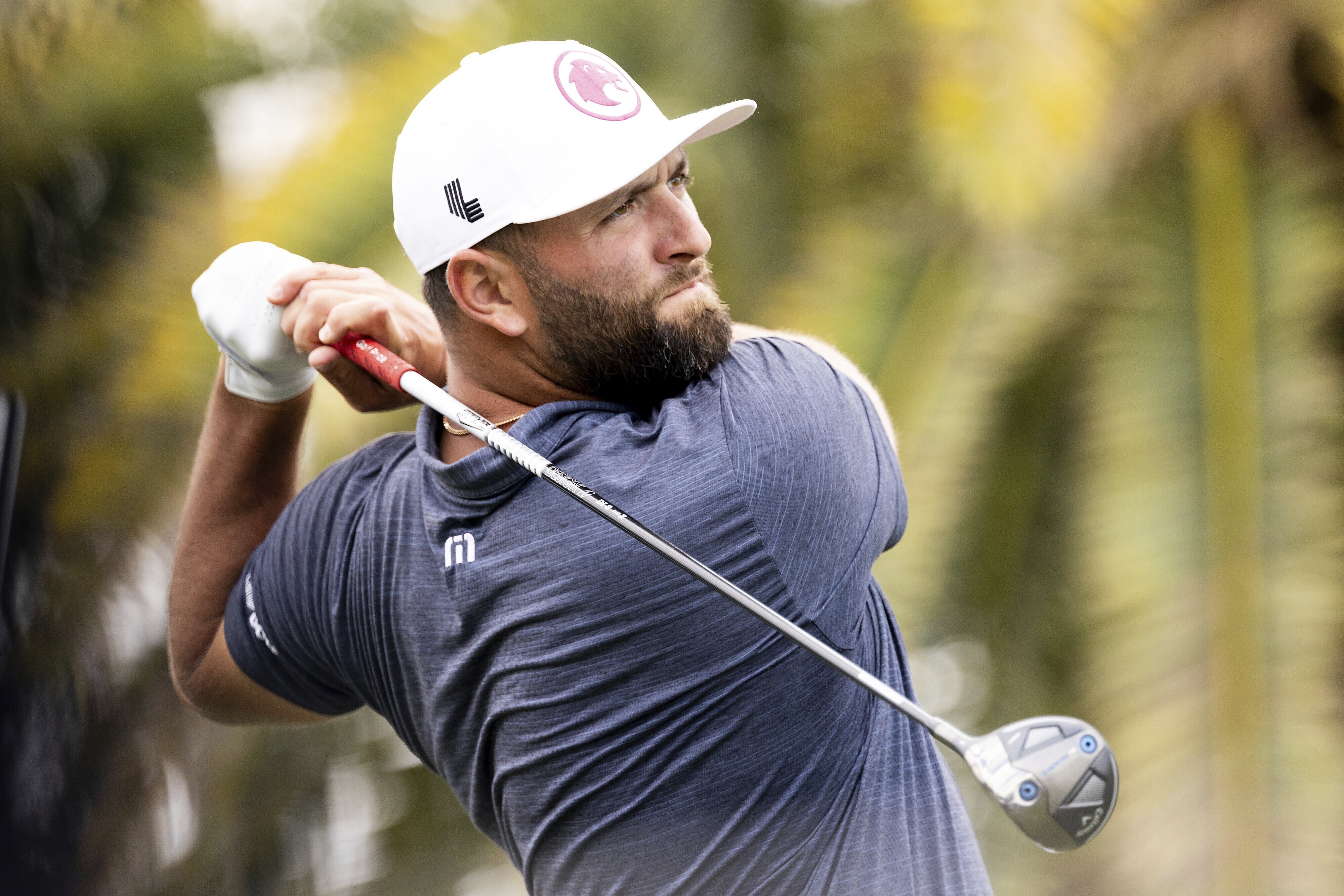
Rahm faces a personal bill for DPWT sanctions from January after LIV confirmed it would no longer cover players’ fines
CHRIS TROTMAN/AP
O’Neil, an American with an impressive résumé in US sports with the Philadelphia 76ers and as president of Madison Square Garden, says LIV will look different from hereon. “There’s been a lot of inbound interest from players that would surprise a lot of people,” he said. “We’re going to continue to try to build our best, strongest roster so we can prepare for long-term success.”
Critics have made hay from the lack of stellar names to have joined over the past year, so does LIV still have the full backing of the PIF? “I can only speak for myself, I can’t speak for PIF, but I can tell you sport has been an extremely good investment over time,” says O’Neil.
“Generally, we have the resources allocated that we need. That’s been clear since day one and I wouldn’t be here if it weren’t. However, I believe that if we’re going to build this league for the long term [there needs to be] a lot more focused effort on players earlier on in their careers. To build a sustainable model we need to grow talent as much as bring in top stars.”
He says the top end, including Rahm, Bryson DeChambeau and Joaquin Niemann, is a “constellation of stars”, but points to the youth of players like Tom McKibbin, Caleb Surratt and David Puig as the future. “You start to see where we’re heading in terms of consistent movement of players. The question is this next generation.”
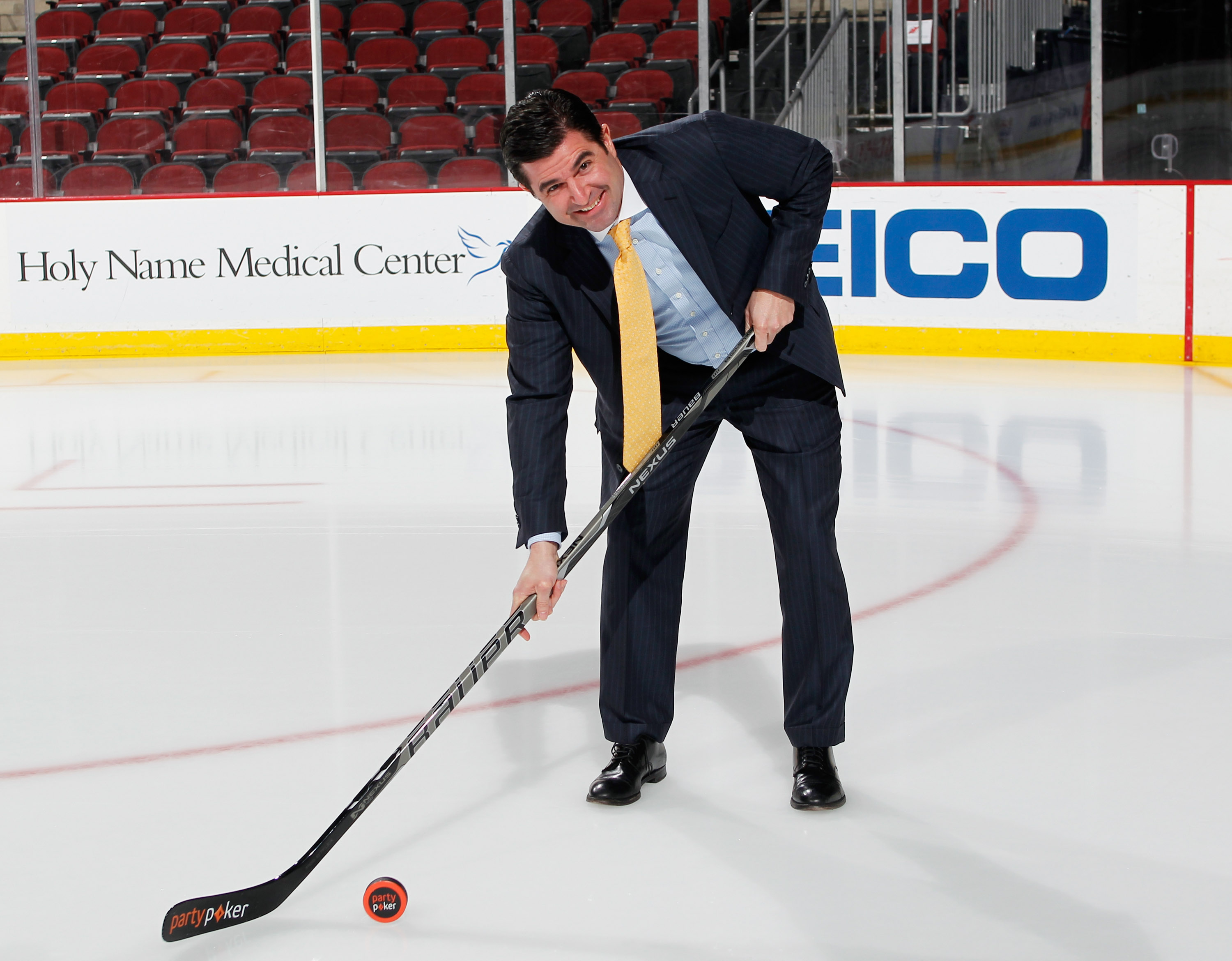
Before stepping into golf, O’Neil made his name in American sport, including stints with the Philadelphia 76ers and Madison Square Garden
ANDY MARLIN/GETTY
LIV’s lack of world-ranking points has been regarded as a primary barrier to recruitment. A tumbling ranking removes one means of qualifying for the majors, which is why it has long been a source of debate.
The former OWGR (Official World Golf Ranking) chairman Peter Dawson seemed to give an indication of the mood music when he said last month that LIV had not been a success “by any measure”, but he was replaced by Trevor Immelman in April. “I work with the current group and Trevor Immelman seems to be a man of vision,” says O’Neil. “He’s got a difficult challenge because remember the [OWGR] board are the four majors, the PGA Tour and the European Tour [DPWT]. That would be a sizeable hurdle for any chairman to tackle. On my side he has a very progressive, aggressive, positive force if you will. I feel he’s done an extraordinary job.”
Does he feel points are coming? “There’s been a lot of engagement, a lot of debate and I’m hopeful. We’re targeting by the end of the calendar year to see if we can get this done.”
O’Neil denies the move from 54 holes, which seemed part of LIV’s DNA and spawned the name, was part of the deal to get ranking points. “That was done for two things. Primarily, it was about, ‘Are we preparing our players best for the world’s biggest stage?’ I’m all for any edge we can give to extraordinary performances. Secondly, we have such commercial success, particularly on the ticket side, that it’s helpful to have more inventory.” More fans are another boon, and he then adds: “It’s really a helpful fact on the OWGR. I don’t deny that it’s a helpful fact, it just wasn’t the driving force.”
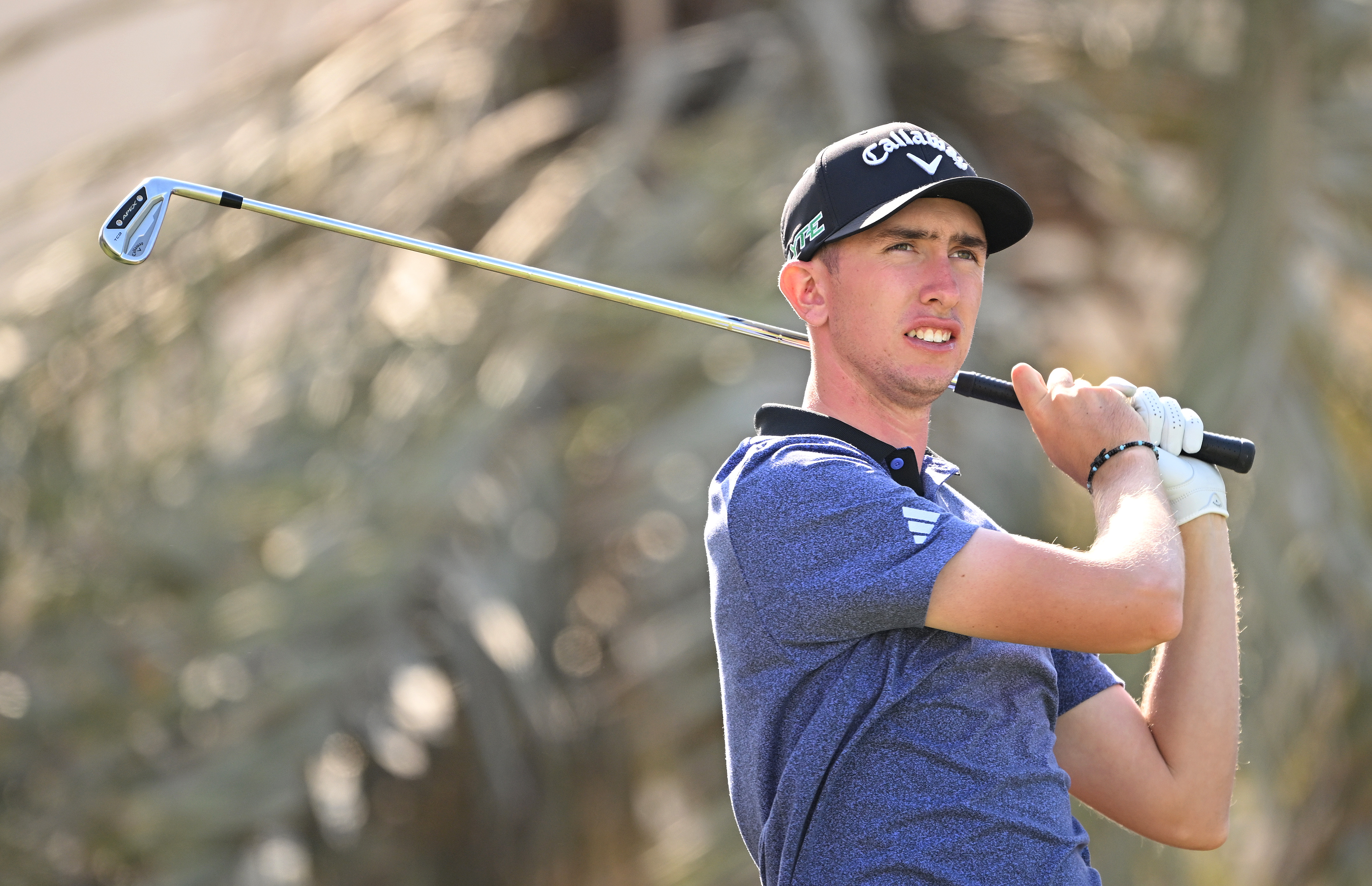
McKibbin is among the young players LIV chiefs see as central to the tour’s next phase of growth
ROSS KINNAIRD/GETTY
Like it or loathe it, LIV Golf has unquestionably changed the face of golf to the extent that the PGA Tour now has inflated prize funds and is making plans for a truncated 20-tournament calendar. You can sense the LIV chiefs licking their lips at the opportunities arising from fewer PGA Tour events and fewer players earning full cards via the FedEX Cup standings. However, Rory McIlroy, the most strident LIV critic during the bitterest years, said dismissively that it was no longer “a disruptor” and needed to spend another $5billion to tread water. Others have damned TV viewing figures.
The PGA Tour is clearly in no rush to turn the framework “unification” agreement of June 2023 into anything firmer, and LIV players have had to wait a calendar year before being able to return. There has been much talk of renegotiating LIV player contracts, but even if the likes of Brooks Koepka wanted to get back to the PGA Tour there is still no defined route.
Does O’Neil want unification? “If you define unification by open pathways, we are 100 per cent supportive of that and have been from day one. Despite the fines and suspensions levied just about everywhere we turn, in particular by our good friends at the European Tour, we continue to have our players step up and play — David Puig just won the Australian PGA [co-sanctioned by the DPWT].”
In addition, LIV’s Cam Smith, the 2022 Open champion, came close to ending his awful run by finishing second to Rasmus Neergaard-Petersen at the Australian Open on Sunday. Using an unlikely source to state his position on unification talks, O’Neil adds: “At the risk of quoting Taylor Swift, I keep my side of the street clean.”

Puig’s Australian PGA victory came in a DPWT co-sanctioned event despite the stand-off over LIV sanctions
WILLIAM WEST/AFP
The American, still in his first year in his role, is not the abrasive, inflammatory provocateur that Greg Norman was as LIV fought for attention. Content to take the brickbats, he is happier talking facts than friction — 60,000 fans in Indianapolis, 12 per cent of the field at the majors, three million viewers per event — and cites how the Utah Jazz sold for $13million when he started out in basketball but the LA Lakers are now worth $10billion.
For those who have long felt the insularity of American golf is reductive, it is significant that the likes of McIlroy have expressed a wider world view in recent months.
“I don’t think we need a stamp of approval from any player to say the global game is healthy,” O’Neil says. “Nor do we need to say LIV is helping grow the game globally. I think that’s indisputable.”
And if LIV seems to lack traction after four years, he has a defiant Christmas message for the detractors: “I feel we’re just getting started.”