
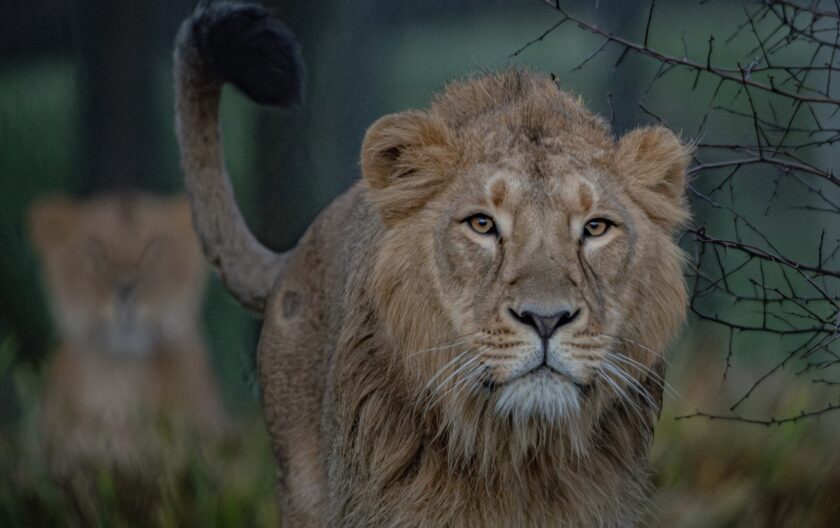
Two of the world’s rarest lions have arrived at Chester Zoo as part of a global breeding programme to protect Asiatic lions from extinction.
The pair, Nilay, a male from Köln Zoo in Germany, and Shanti, a female from London Zoo, were carefully matched following detailed genetic analysis.
Conservationists say the young lions have already “formed an instant connection” and hope the pair will one day produce cubs.
Chester Zoo has been identified as a key institution in the international programme, which aims to create a safety-net population for the species.
Asiatic lions are now found only in India’s Gir Forest, with fewer than 900 individuals remaining in the wild.
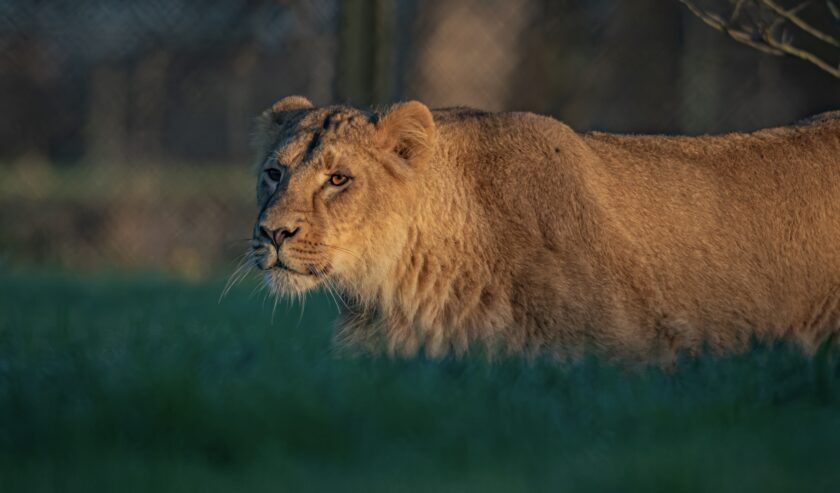
[Nilay]
Dave Hall, Team Manager of Carnivores at Chester Zoo, said: “The arrival of Nilay and Shanti marks an exciting new chapter in our conservation efforts to protect one of the world’s most extraordinary and endangered animals.
“Both lions are around two years old, which means they’re full of curiosity and youthful energy. They’re also at the age where they’d naturally start to leave their mother and become independent, which is why the time was right for them to join us here after being carefully matched together as part of the international conservation breeding programme.
“Now that they’ve had time to settle in, we’ve successfully introduced the pair to one another in a special behind-the-scenes area, and the early signs are incredibly positive – they appear to have an instant connection, with lots of affectionate head rubbing and playful behaviours being shown to one another.
“We’re hopeful that as their bond grows stronger, we may one day have a pride again here at Chester, which would be another truly special milestone for the safety-net population of Asiatic lions.”
Lions once roamed across much of Africa, the Middle East and Asia, but Asiatic lions are now confined to a small part of western India, leaving them highly vulnerable to disease, habitat loss and natural disasters.
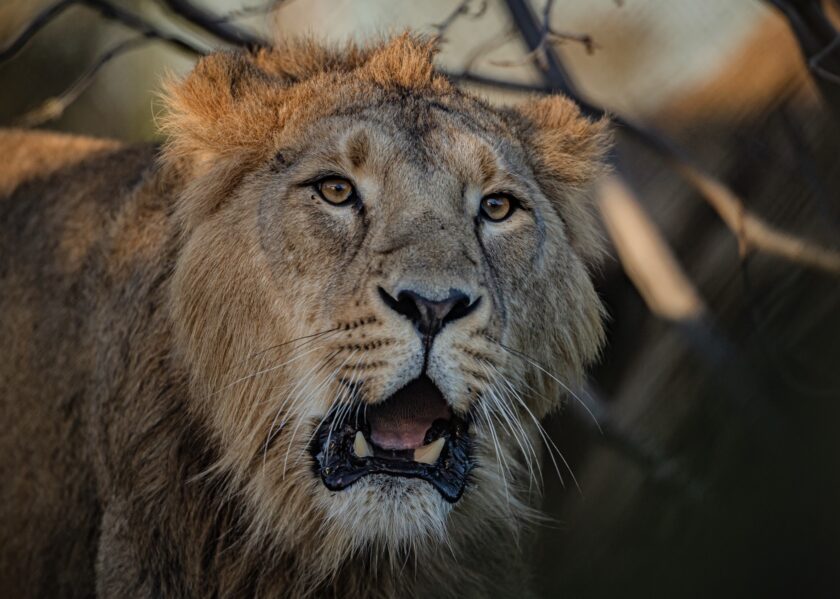
[Shanti]
The species is classed as Endangered by the International Union for the Conservation of Nature (IUCN).
Mark Brayshaw, Head of Mammals at Chester Zoo, said: “Lions are one of the planet’s most iconic and admired animals, symbolising strength and courage in many cultures around the world. But these majestic cats are facing a fight for survival, with their wild population now limited to just a small pocket of forest in India – making them incredibly susceptible to threats such as poaching, disease and habitat loss.
“That’s why global conservation breeding programmes are so vitally important. By creating a safety-net population in zoos like ours, we can ensure that these incredible animals don’t disappear altogether like others in the past. At the same time, we’re part of conservation efforts in India and across Asia, where our teams are working to protect highly threatened species and the landscapes they depend upon, so they can go on to thrive long into the future.”
Asiatic lions differ from African lions by having shorter manes, a distinctive skin fold along their belly, and a roar that can reach 114 decibels — audible up to eight kilometres away.
Spotted something? Got a story? Send a Facebook Message | A direct message on Twitter | Email: [email protected]
Latest News
Doctor in Wales warns of abortions linked to blocked anti-sickness drug
North Wales health board faces biggest nurse shortfall
UK launches new system to report cyber crime and fraud
Join our no-spam low volume email list:
Get notified about
news from across North Wales