

Barbara Farris says Labour’s mansion tax is ‘stoking resentment’ while hitting pensioners on modest incomes
The mansion tax has been labelled “incredibly unfair” by a pensioner who fears being forced to sell her home and move away from her family.
Barbara Farris – who believes her four-bedroom home in Hertfordshire is worth over £2m – is angry that she faces a £2,500 annual bill from the new surcharge.
The 69-year-old, who lives on a modest pension, said Labour’s levy on property wealth was “incredibly unfair on all of us who don’t have a big income”.
New FeatureIn ShortQuick Stories. Same trusted journalism.
Farris, who is determined to try to stay in her bungalow if she can, said: “I was certainly hoping to stay in my home for the decade ahead.
“But it’s going to cost me £25,000 over the next 10 years – it’s a huge amount,” she added.
“It would make things more difficult, financially, because the cost of living makes things hard. I might not starve, but it would mean cutting back on everything.”
‘I don’t see why I should be pushed out of my home’
Chancellor Rachel Reeves announced the mansion tax – a high-value council tax surcharge – at the recent Budget. She said the move would help deal with “wealth inequality”.
The policy will see properties in England valued at more than £2m hit with an extra £2,500 annual charge – rising to £7,500 for homes worth over £5m.
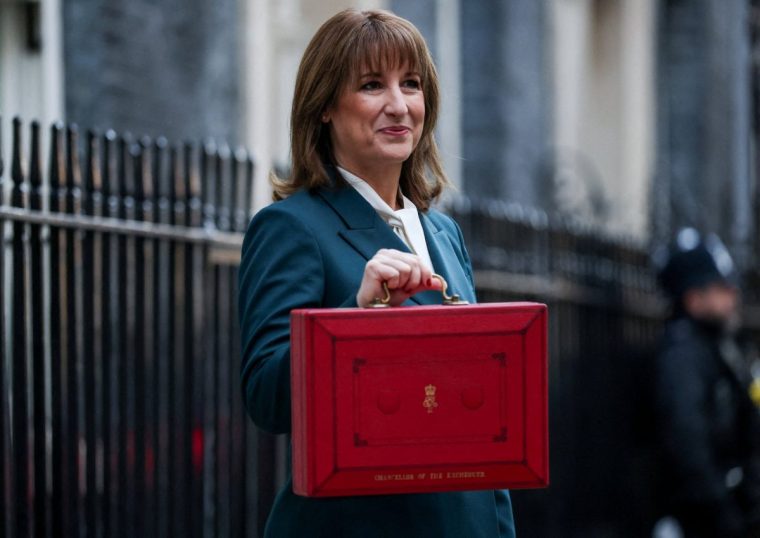 Rachel Reeves outlined new tax on the property rich at the Budget (Photo: Isabel Infantes/Reuters)
Farris, who previously worked in TV advertising and recruitment, has been living on her own in Hertfordshire since her husband Stephen died 11 years ago.
She said the couple were able to afford the home in 1998 because of the compensation her husband received after an accident left him paralysed.
“We all get attached to our homes, and the places we live,” said Farris. “Theoretically we could all downsize and live in one room, but it’s not how we choose to live.”
She added: “I don’t see why I should be pushed out of my home, in the area and community where I feel I belong, with friends and family nearby. Why should I lose that?”
Deferring payments may not work for everyone
The Government will consult next year on a deferral mechanism for the mansion tax, aimed at allowing cash-poor pensioners to delay paying it until their house is sold.
It could potentially see some older people selling up, or passing on a huge tax bill to their children when they die.
But Farris is not sure how any deferral will apply to her. “Because I don’t have children, I will be leaving the house to charity.
“Does that mean I could be leaving the tens of thousands of pounds of debt to charity? It does not make any sense at all.”
She added: “I voted Labour. But what they are doing is so divisive. They are pitting the poor against the rich, stoking resentment so people have this idea of rich people sitting in mansions.”
Tax will impact people on ‘fairly average incomes’
David Fell, the lead analyst at Hamptons estate agents, told The i Paper that around two-thirds of the homes that are likely to be hit by the mansion tax were originally bought for less than £2m.
“Often, these are pensioners who bought what was a fairly modest family home in the right London neighbourhood a couple of generations ago and have since seen its value soar.”
The new levy is also likely to drag in some pensioners living in homes across the South East “which were bought by those with fairly average incomes in the 1970s and 1980s”, he added. Some may be living on “modest means”, Fell said.
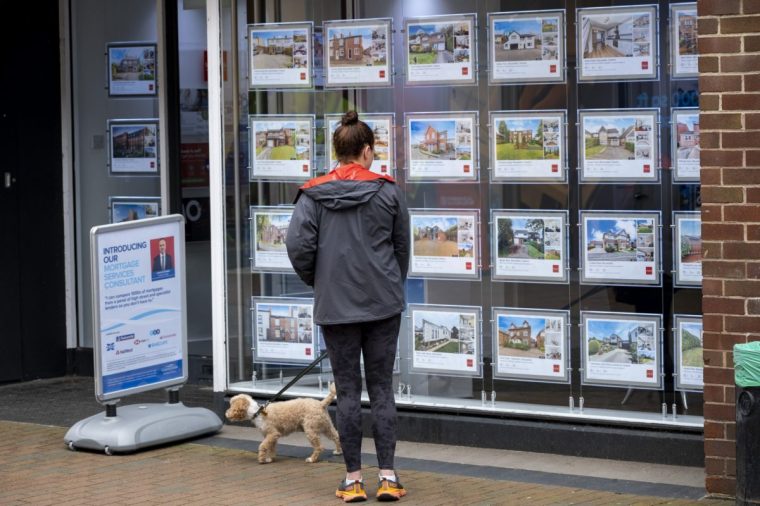 Mansion tax will shake up top end of the housing market, experts have warned (Photo: Mike Kemp/In Pictures)
The Institute for Fiscal Studies (IFS) said the design of the council tax reform was a “complicated bolt-on” at the very top of end of the property market that “leaves much to be desired”.
Former IFS boss Paul Johnson previously told The i Paper that the Government was in “a world of trouble” when it came to valuing homes, and warned of appeals over “exactly which side of the line” properties fall.
Property experts have also warned it will create “perverse” incentives for homeowners to reduce the value of their home to get under the £2m threshold.
“I think my house may be just over £2m. I’m hoping it’s somehow £1.99m,” said Farris, who also warned that she and others may try to appeal the valuation.
“The ridiculous thing is that some people will stop doing upgrades on their homes – they will be letting their homes rot in the hope of devaluing it.”
Some left-leaning think-tanks have backed the new levy. The Institute for Public Policy Research (IPPR) said it was “an important and practical” first step in wider council tax reform. Tax Justice called it a “fair step forward”.
The mansion tax also appears popular with the public. It was backed by more than two in three voters, 67 per cent, according to an YouGov poll on Budget measures.
Your next read

The new levy will not come into force until 2028.
Properties will be re-assessed by the valuation office agency before then. The Office for Budget Responsibility (OBR) has predicted that the tax will raise about £400m a year by 2029-2030.
The Government declined to comment.