
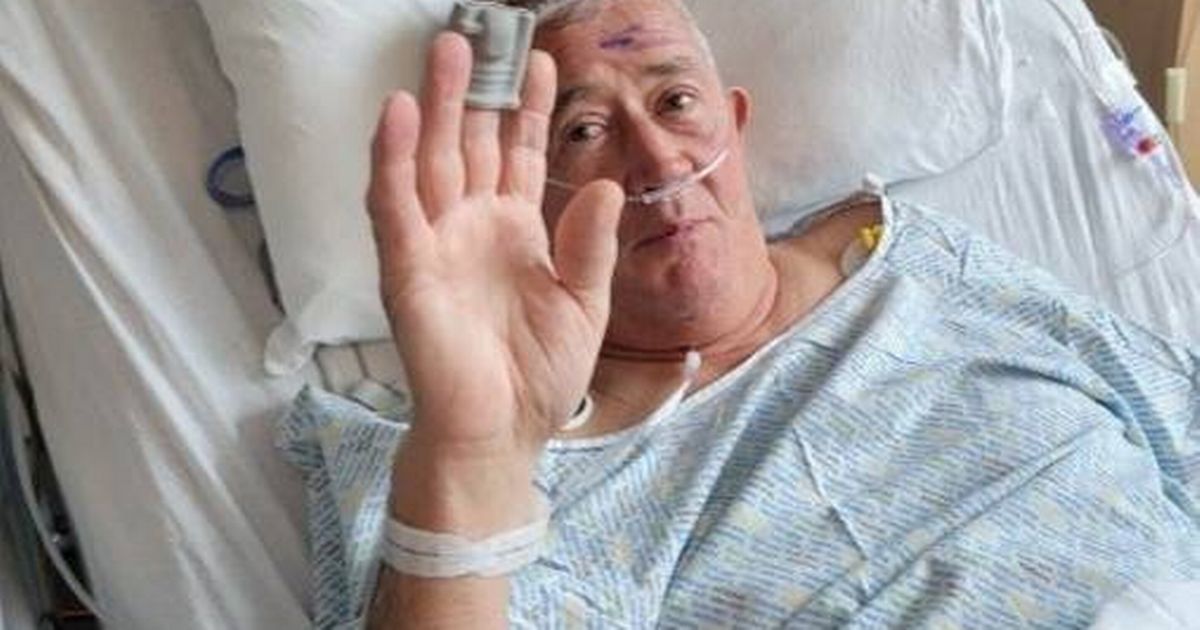
Had the Scots dad not suffered the seizure he ‘might not have seen Christmas’.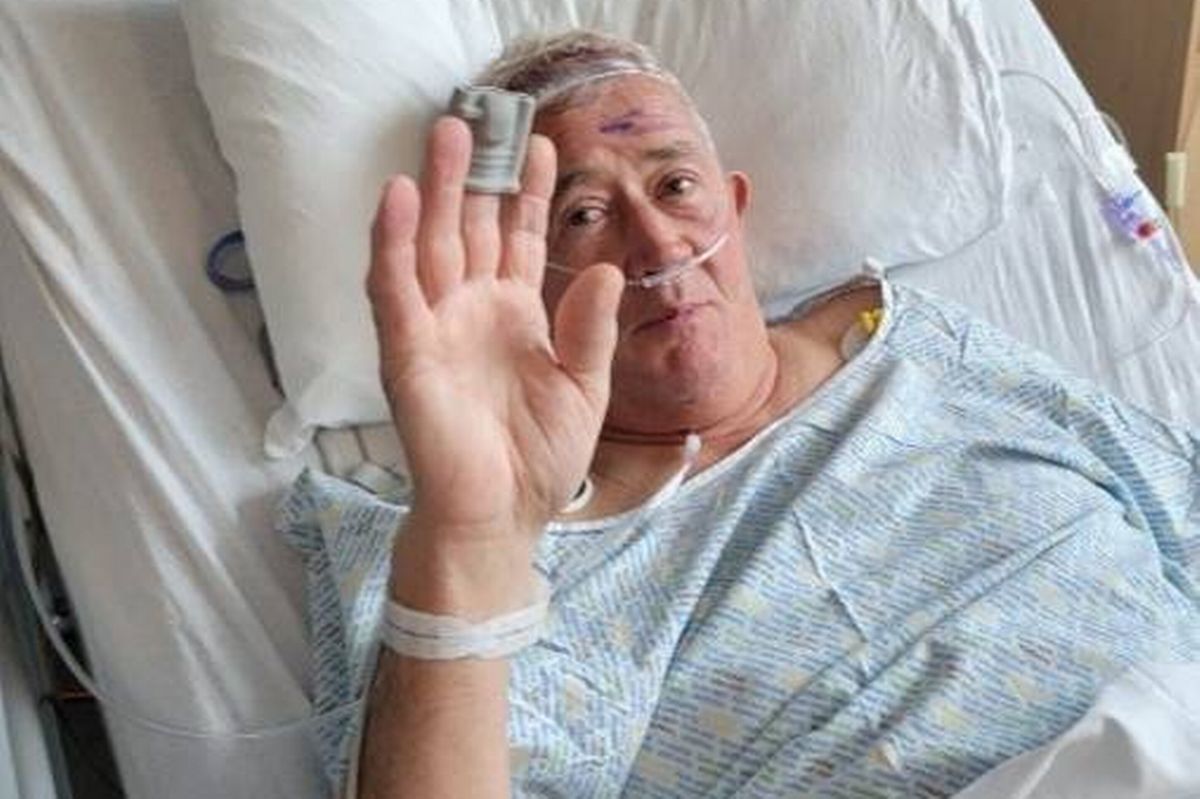 Jerry Kerrisk in hospital
A Scots dad ‘wouldn’t have seen Christmas‘ if a seizure hadn’t uncovered a devastating diagnosis, medics have said. Jerry Kerrisk, 66, fell unconscious in June last year whilst visiting his twin sons, Brendan and Conor.
He was taken to hospital urgently, where medical staff found a glioblastoma – an aggressive and incurable form of brain cancer. The family were informed that Jerry had between 12 and 18 months to live.
The Kerrisk family, from Edinburgh, are now highlighting the Brain Tumour Research Christmas appeal, urging the public to support groundbreaking research and ‘change the story’ for those affected.
Jerry’s wife, Janice, said: “Jerry has always been a kind, practical man who appreciates all things in life. He loves being outdoors, walking our dog Rua, playing golf, and spending time with family and friends.
“He is an electrician by trade; hardworking, dependable, and good-humoured. His colleagues often describe him as ‘one of life’s true gentlemen’ and that could not be truer.”, reports Edinburgh Live.
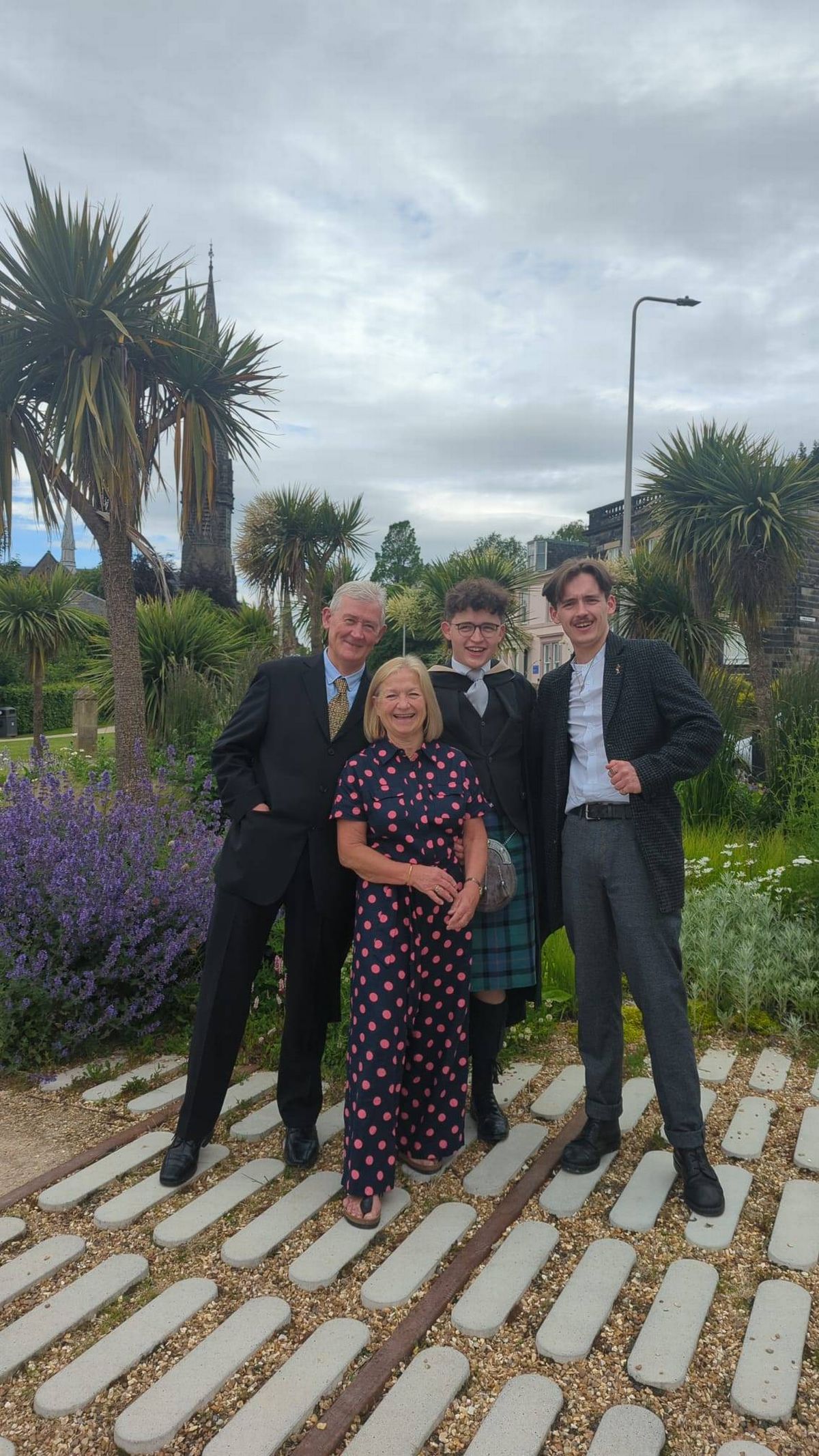 Jerry Kerrisk with his wife, Janice, and sons, Brendan and Conor(Image: Supplied)
On the morning he collapsed, Janice recalls Jerry appearing ‘quiet and distracted’. She added: “As we were heading out shopping, he suddenly said, ‘We need to write our wills and decide where we’ll put our ashes.'”.
“It was such an odd comment that it stopped me in my tracks, but I thought he was worrying about his prostate cancer, which is under control. Less than an hour later, we were visiting our sons when he suddenly roared, lifted his arm towards the sky, and collapsed face down on the grass in a violent seizure.
“By the time the paramedics arrived, Jerry had suffered two further seizures. He was unconscious, bleeding from his mouth and nose. It was absolutely horrific to watch.”
Jerry was rushed to the Royal Infirmary of Edinburgh, where he experienced a third seizure. An MRI scan uncovered the brain tumour, with medics subsequently informing the family he had a four centimetre glioblastoma.
Janice, 62, said: “The diagnosis was devastating. I had prepared myself for bad news, but Jerry hadn’t.
“He thought the surgery would remove it and he would recover. When the consultant said the words ‘grade 4 glioblastoma’, he was in shock. He turned to the doctor and said quietly, ‘I feel like I’m a dead man walking.'”.
“I will never forget those words. I sat taking notes while he stared at the floor in silence. We left the hospital numb.”
Jerry underwent surgery to remove as much of the tumour as surgeons could. He was sent home within days, and started six weeks of radiotherapy and oral chemotherapy.
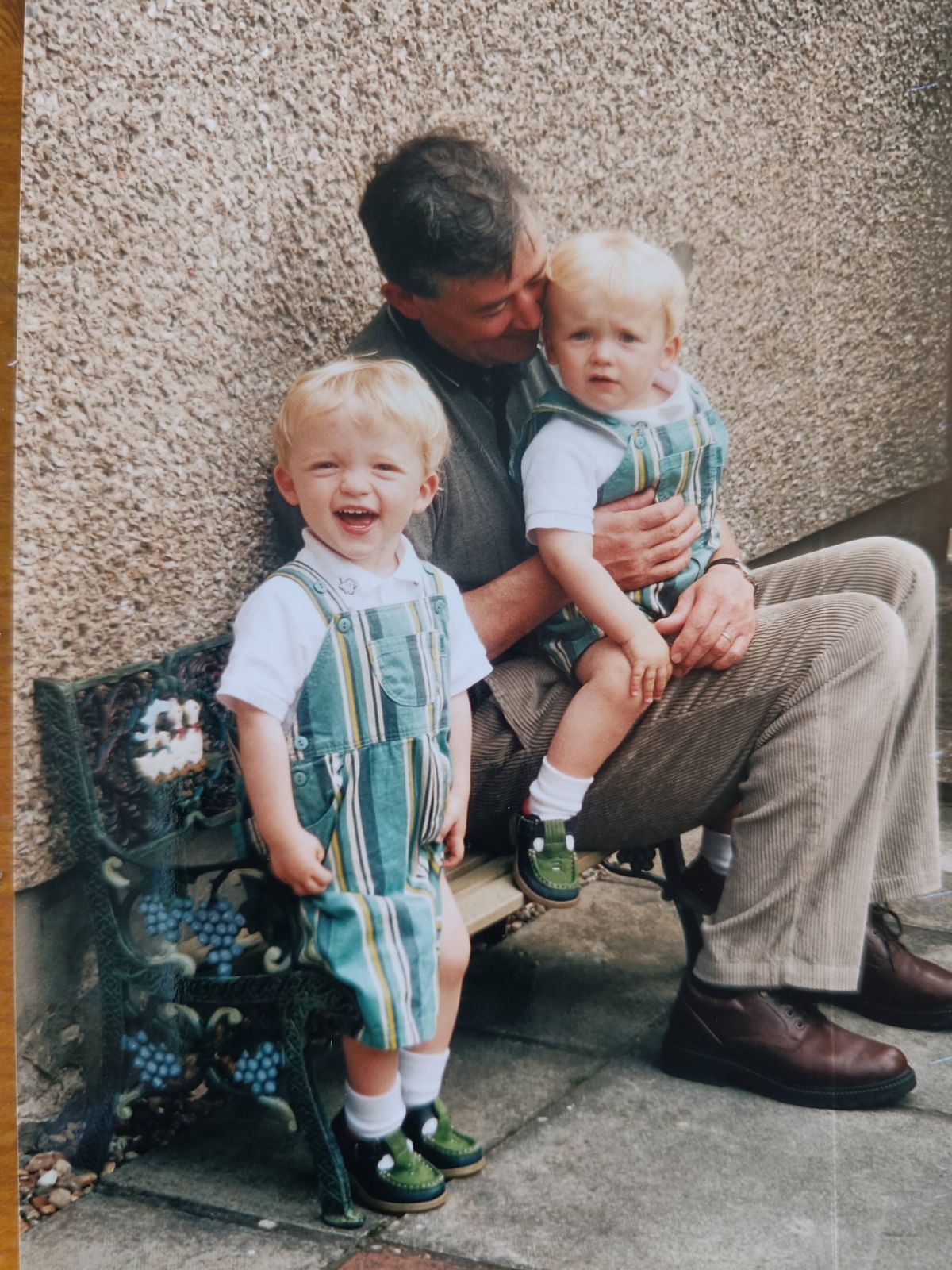 Jerry with his sons Brendan and Conor
Despite persistent tiredness, Jerry still plays golf and goes fishing. Janice said: “What I want most is a breakthrough, for Jerry and for others like him. The prognosis for glioblastoma is so cruelly short.
“I dream of the day when people no longer hear that this diagnosis is terminal. Jerry does not talk much about the future, but every so often he will say something that stops me in my tracks.
“The other night, after being out with friends for a birthday lunch, he said, ‘I don’t know if I’ll be here next year’. I told him we have to stay positive, because we do.
“That is how we get through. Our lives have changed completely, but our love, our humour, and our faith in one another remain.
“Jerry is still Jerry – gentle, strong, and quietly brave. I hope we can help make a difference so that, one day, families like ours will have real hope for the future.”
Ashley McWilliams, community development manager at Brain Tumour Research, commented: “Janice and her family have shown incredible strength and positivity since Jerry’s diagnosis.
“Their determination to raise awareness and fund research is truly inspiring. We are so grateful to Team Jerry for supporting our 99 Miles in November challenge and Christmas Appeal, and for helping to fund vital research such as the work taking place at our new Scottish Centre of Excellence.
“Every step they take brings us closer to finding a cure for this devastating disease.”