
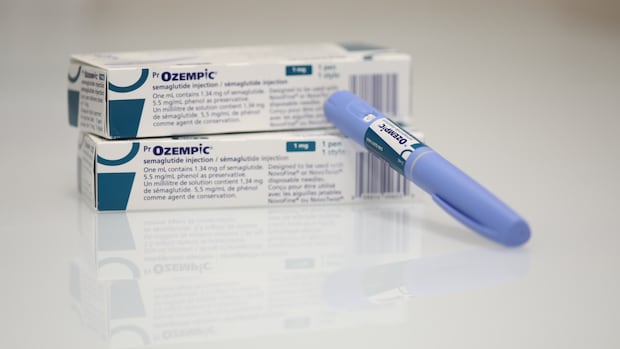
We examine the rise and risks of blockbuster drugs like Ozempic, after the WHO conditionally recommended GLP-1s for the long-term treatment of obesity.
CBC News · Posted: Dec 11, 2025 4:00 AM EST | Last Updated: December 11

Listen to this article
Estimated 1 minute
The audio version of this article is generated by AI-based technology. Mispronunciations can occur. We are working with our partners to continually review and improve the results.
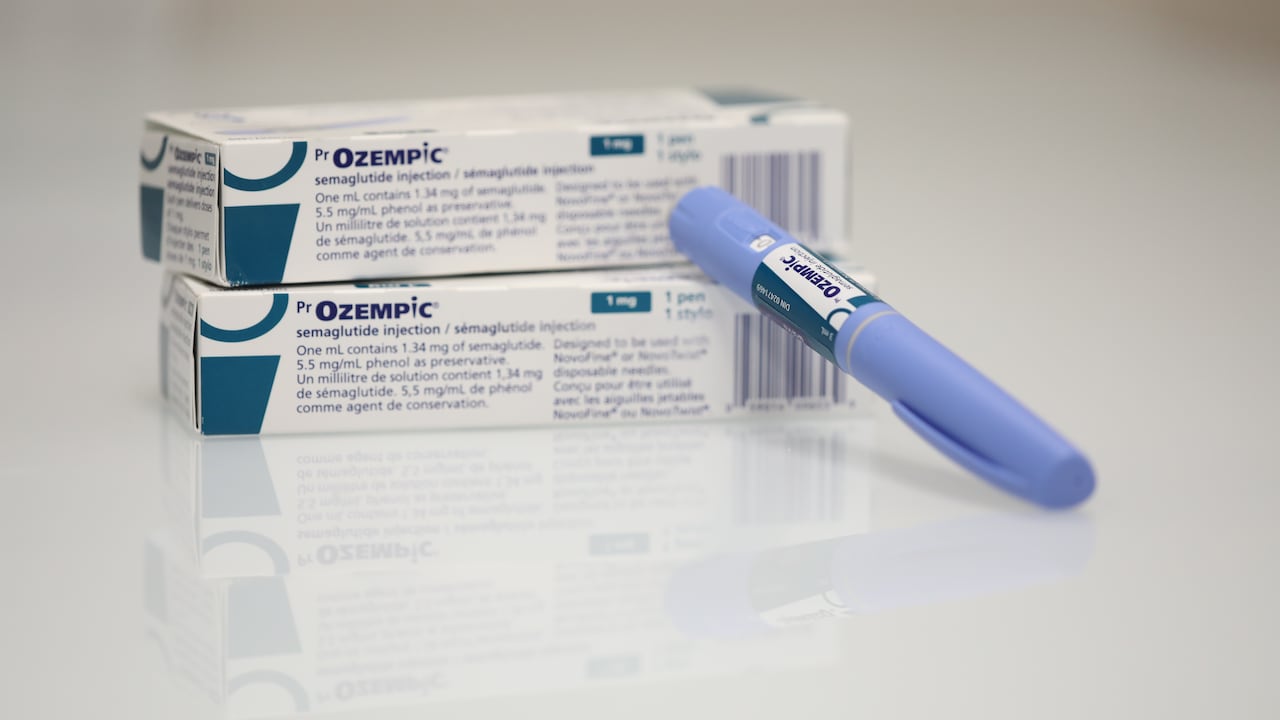 Ozempic boxes and injector. (Turgut Yeter/CBC)LISTEN | FRONT BURNER:
Front Burner25:34Should everybody be taking Ozempic?
It’s estimated that as many as 10 per cent of adults in Canada use a GLP-1 type drug like Ozempic. The prescription medicine is used for type 2 diabetes management and increasingly prescribed off-label for weight loss. And this month, for the first time, the World Health Organization has conditionally recommended GLP-1 drugs for the long-term treatment of obesity.
But while these drugs have been called a game-changing tool to manage a complex and stigmatized health condition, there’s also a lot of questions about the potential negative impact.
With Ozempic’s patent set to expire soon in Canada, and more affordable generic options about to hit the market, a lot more people you know could end up on a weight-loss drug.
Today we bring you the rise and risks of GLP-1s with help from Dylan Scott. He is a Senior Correspondent at Vox who covers health.
For transcripts of Front Burner, please visit: https://www.cbc.ca/radio/frontburner/transcripts
Subscribe to Front Burner on your favourite podcast app.