
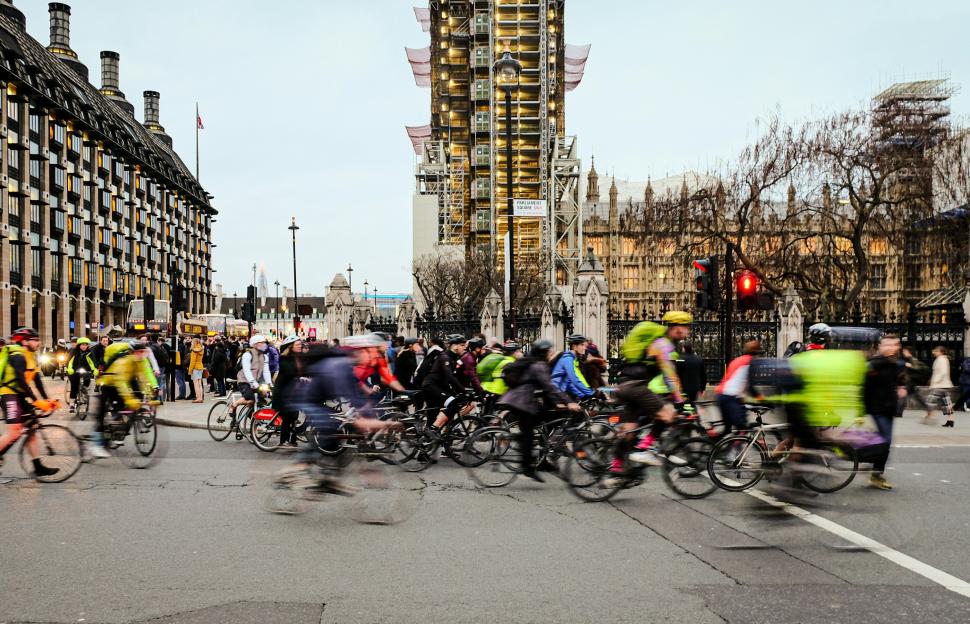
The so-called ‘war on the motorist’ is over, a Labour transport minister has said, after the previous Conservative government inflamed tensions on the road by “shamefully” pitting drivers against cyclists, claiming that Labour “wants to create a system that work for everybody”.
Speaking to the Guardian following the government’s announcement that £626 million has been allocated to local authorities in England to fund approximately 500 miles of new walking and cycling infrastructure, Lilian Greenwood, the Parliamentary Under-Secretary of State for Local Transport, insisted that Labour is “taking active travel seriously”.
However, despite Greenwood’s stated aim to make the UK’s road safer for cyclists, the Transport Action Network campaign group has criticised the recent funding announcement as a “fall in real terms”, claiming Labour are still “wasting billions on big road schemes” while “wheeling out a few vague words” in favour of cycling.
TAN’s analysis is based on annual departmental spending allocated to local authorities and compared with spending investments made in 2021-22, and subsequently adjusted for inflation.
The group claims that the government’s £160 million annual investment, compared with £200 million in 2021-22, represents a real-term funding cut of 36 per cent.
However, the chosen data points exclude the wide-scale funding cuts carried out under the Conservatives under Rishi Sunak. Then, funding was cut by 65 percent and the scheme of sustained, multi-year funding was ended.
TAN subsequently took the government to court over that decision, claiming that the systemic active travel funding cuts were unlawful and incompatible with the legal framework provided by the government’s own Cycling and Walking Investment Strategy. The Court of Appeal sided with TAN unanimously earlier this year.
Therefore, whilst the government’s latest funding is a decrease relative to 2021-22, it is a substantial increase on the most recent annual funding allocations made in 2024 and 2023.
Following the Court of Appeal’s ruling, TAN called for a £250 million uplift in funding, compensating for the illegal spending cuts, adjusted for inflation and interest. That has not been forthcoming.
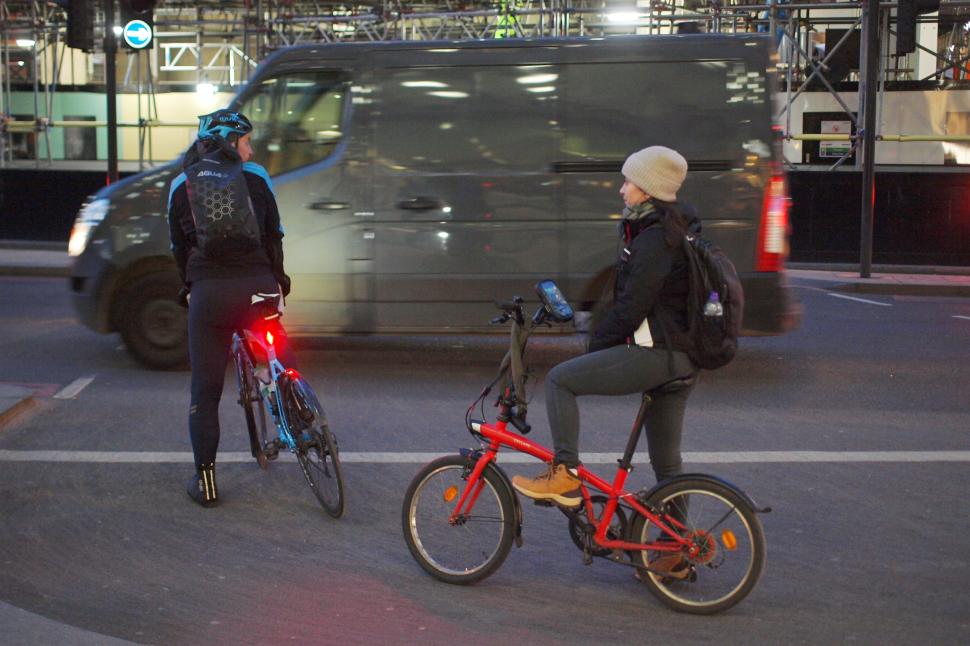 Commuter cyclists in London stopped at light with van in background (credit: Simon MacMichael)
Instead, in announcing the £626 million funding, to be distributed to local authorities over the next four years, the government said the investment “demonstrates our clear commitment to making walking, wheeling and cycling safer and more accessible for everyone”.
“By backing councils with the funding and support they need, we are helping to create healthier communities, safer streets and greener local transport choices,” Labour said.
The funding also represents Labour’s attempt to move away from the divisive rhetoric around active travel that punctuated the Conservatives’ last few years in power, especially after Boris Johnson stepped down as prime minister, a policy Greenwood described as “infuriating” and which had potential consequences for safety and tensions on the road.
“There are issues on our roads,” she told the Guardian. “I obviously spend a lot of time thinking about this in relation to the work that we’re doing in developing the road safety strategy, and some of it is about trying to create that culture of mutual respect between everyone using our roads.
“And I think it’s really damaging to that. We want to create a system that works for everybody. It’s really frustrating to see and it speaks to the mixed messages from the previous government.”
Asked if Labour believed there was a ‘war against the motorist’, as Rishi Sunak claimed, Greenwood said: “I think the opposition want to create some sense of that. But people are not one thing or another. A lot of people who cycle, also drive; a lot of people who drive, also walk or sometimes take public transport.
“So that’s not how we want our roads to be thought of at all. We want to build a system that makes journeys safer, easier and affordable for everyone, and that should be our starting point.”
> Rishi Sunak is “on the side” of drivers – What happened to Britain’s “golden age for cycling”?
Greenwood also said that a proper strategy for improved safety on the roads was “probably top of my list” in terms of priorities.
“Last year, roughly 1,600 people were killed on our roads, and 29,500 seriously injured, and that has been flatlining pretty much for the last decade. That is unacceptable,” she said.
“We in the department don’t talk about road traffic accidents. We talk about collisions or crashes because 90 per cent of those feature someone making a bad decision or a wrong choice. They’re preventable, and it requires determination, leadership and action to make a big difference to that.
“It’s quite shameful that the last government did so little to tackle that and didn’t have a proper road safety strategy.”
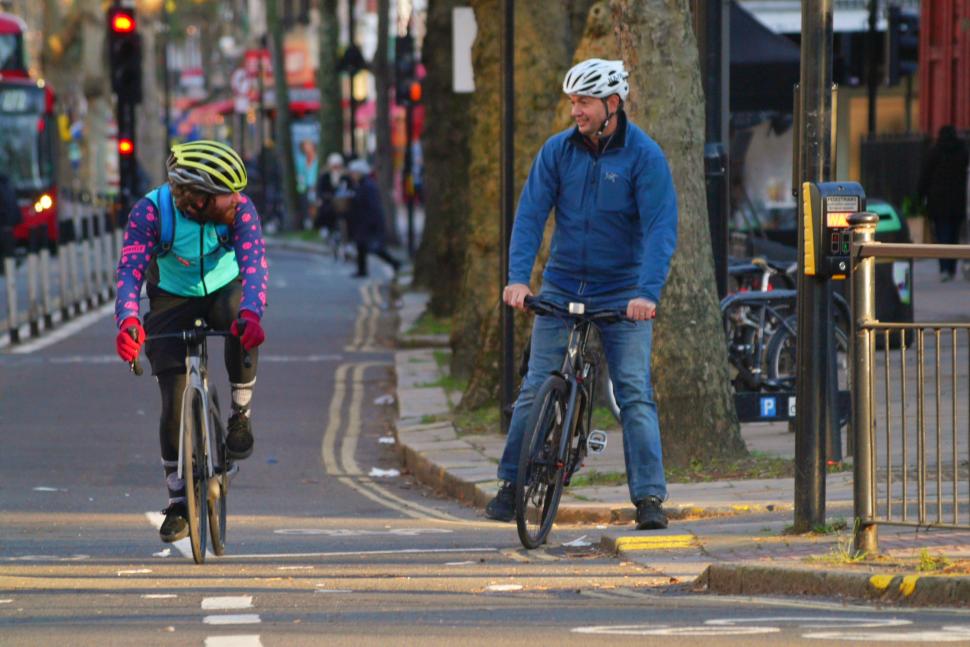 Cyclists in London talking in cycle lane (credit: Simon MacMichael)
Greenwood added that “what campaigners want is for us to take active travel really seriously. It’s about long-term funding certainty so you can properly plan.”
However, she refused to be drawn on clear targets for walking and cycling, which had been lobbied for in a letter signed by more than 50 organisations including British Cycling, Cycling UK and the British Medical Association. The letter also lobbied for a return to “predictable cycles” of investment funding, a call that appears to have been heeded.
It comes as the government’s latest Cycling and Walking Investment strategy is due to close its public consultation on Monday.
TAN is calling on its supporters to write to the government calling for “more funding and ambition” in its proposals, adding in its statement that “instead of delivering high value for money healthy travel schemes, the Labour government is wasting billions of pounds on big road schemes.”
“Increasing cycling and walking would boost the economy, especially our cherished local high streets,” TAN’s director Chris Todd said in a statement.
“It would help realise Labour’s preventative health agenda, and environmental promises. Instead of a bold new plan to deliver on these ambitions, ministers wheeled out a few vague words and reduced the funding. They’ve also given very little time for people to have their say on these last-minute changes.
“How can ministers say increasing physical activity would save our NHS over £10 billion a year, then shrink dedicated funding for healthy travel to £160m a year? If Labour is serious about growth and an NHS fit for the future, it’s time to switch the cash away from unproductive road schemes.”
This week’s funding announcement was also accompanied by a grading of every local authority in England for its active travel capability, with funding distributed partly in accordance with the findings. Nine councils were upgraded, the Tees Valley were downgraded and no council was found to yet demonstrate an “established culture of active travel”.