
(Credit: Far Out / Denis Pellerin)
Mon 15 December 2025 17:45, UK
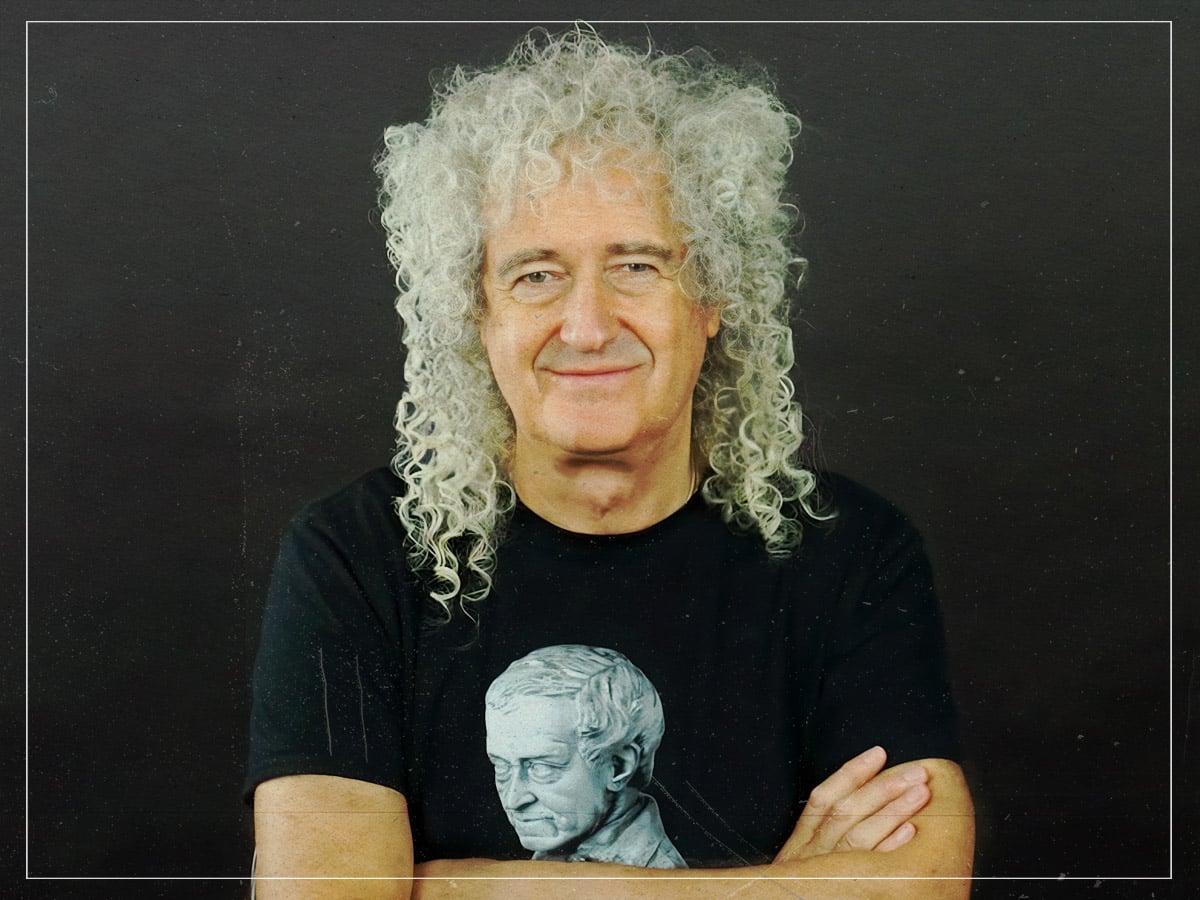
It’s strange to think that Brian May was aware of a time before there was rock and roll.
It might seem like the simplest thing in the world to him, but the idea of someone coming of age before Chuck Berry rose to prominence or The Beatles set foot onstage would have been a lot scarier for a teenager to manage. But even during the peak of the ‘Summer of Love’, May was about to be exposed to guitarists who blew his mind whenever he saw them onstage.
Then again, it’s not like the psychedelic scene birthed the idea of the guitar hero by any stretch. Everyone from Berry to Carl Perkins had been paving the way for what a guitar could do in a rock and roll context, and when the British invasion started, everyone from George Harrison to Keith Richards were being studied by every key wondering if they could play the riff in ‘Satisfaction’ or figure out the lead lines to ‘I Saw Her Standing There’.
But if there’s one thing that we can thank the Summer of Love for, it’s giving the world Jimi Hendrix. There are only a handful of guitarists who could claim to have the seismic impact that he did when he first arrived, and when ‘Purple Haze’ first started, it was practically busting through the doors of perception to give everyone a taste of what the new school was going to sound like.
It’s not like May wasn’t taking notes, either. Everything from the way he dressed to the way he wore his guitar was one of the single coolest silhouettes any musician could make, but it also wasn’t the first time that the Queen guitarist saw true greatness onstage. There were people like Eric Clapton on the British guitar scene, but the one who made May turn his head was hearing Ritchie Blackmore play.
Although Deep Purple weren’t quite on the same level as they would be when they became global superstars, Blackmore was already a student of all kinds of rock and roll guitar playing when he began. He was the true epitome of a wild man onstage, and whether that was throwing his guitar in the air or playing it with his ass, people were in for a treat at each one of Purple’s shows purely based on his showmanship.
There was no way for him to displace Hendrix, but May thought Blackmore at least prepared him for what someone like Hendrix could do, saying, “Ritchie came along and he’s a fireball. He was beyond belief. His technique was incredible. Where that came from, I have no idea. And this was before Hendrix. Ritchie is a great creator and originator of the wild electric guitar.” He was a peer in many respects, but when Blackmore eventually went off during Rainbow, he was already on the other side of the musical world.
Nothing about his fluid playing had changed by any stretch, but when listening to a tune like ‘Stargazer’, that kind of scale is still one of the most hypnotic runs of notes to have ever come out of the 1970s, which probably did a number on May when he started to bust out some more of his guitar hero chops when he began work on Queen’s later records.
There will only ever be one Jimi Hendrix in the world of guitar, but even if he took music into new realms, Blackmore was at least good enough to be featured in the same league of guitar heroes. He may not have been the most recognised guitar player of his time, but if you put him next to the other guitar heroes of the time like Jimmy Page and Joe Perry, there’s no real sense of competition.
Related Topics