
As Amazon’s competitor to Starlink starts to emerge and generate customer interest, SpaceX executives are starting to snipe back.
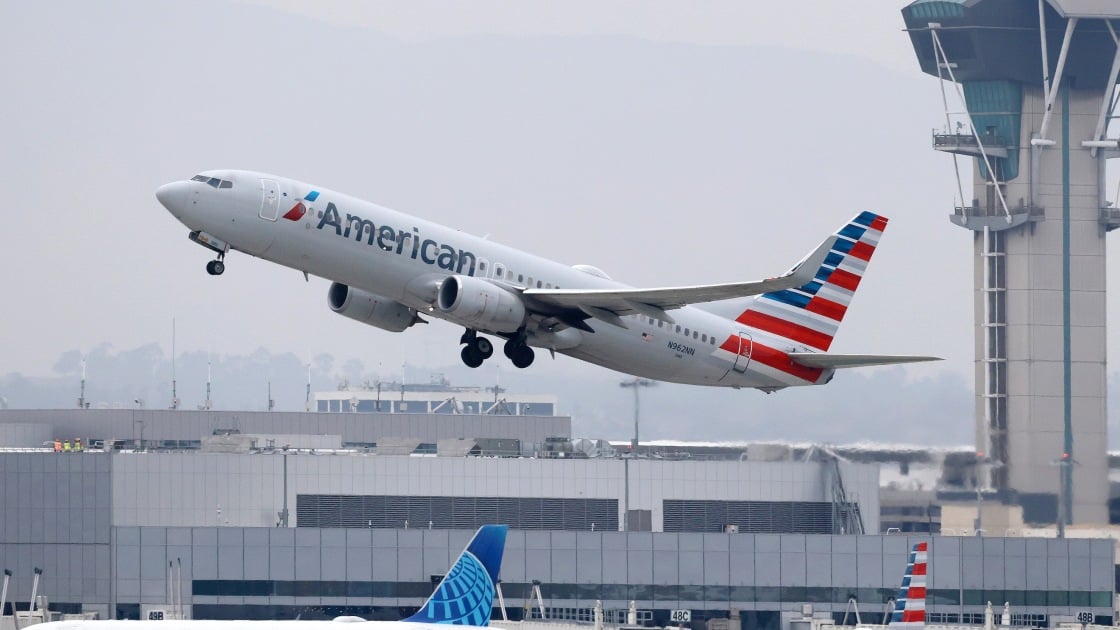
On Sunday, the company’s CEO Elon Musk and another SpaceX VP lobbed some criticism toward American Airlines, which is reportedly interested in Amazon’s satellite internet service, Leo.
American Airlines is already tapping Viasat and Intelsat for in-flight Wi-Fi for most of its fleet. But according to Bloomberg, the airline has also held talks with Amazon about using Leo as well.
The news triggered SpaceX VP for Starlink Engineering Michael Nicolls to comment, and throw some shade on Amazon’s Leo, which has only kicked off a limited beta test to select customers. In the meantime, Starlink is already serving a growing number of airlines, including United and Alaska, with in-flight Wi-Fi speeds that beat other providers by a significant margin.
As a result, Nicolls tweeted: “Only fly on airlines with good connectivity… and only one source of good connectivity at the moment…”
Musk then added: “American Airlines will lose a lot of customers if their connectivity solution fails.”
This Tweet is currently unavailable. It might be loading or has been removed.
The tweets highlight the brewing rivalry between Starlink and Amazon’s Leo, which has faced numerous delays, but appears ready to start competing with SpaceX’s satellite internet service. In September, Amazon reached a deal with JetBlue to power in-flight Wi-Fi in 2027. Last month, the e-commerce giant also announced a preview program for Leo, promising it can offer gigabit satellite internet speeds —a goal that SpaceX has also been chasing.
Recommended by Our Editors
In addition, Amazon has begun touting Leo’s benefits to enterprise customers, which might draw interest away from Starlink. The Leo website has been updated to mention it’s targeting numerous sectors, including, aviation, maritime and transportation, in addition to consumers.
Still, Amazon faces a major hurdle in launching enough satellites for the company’s Leo constellation; it currently spans about 150 satellites, not enough for robust coverage. In contrast, Starlink already encompasses over 9,000 active satellites, and has been serving over 8 million users worldwide.
Amazon and American Airlines didn’t immediately respond to a request for comment. But satellite industry analyst Tim Farrar noted that SpaceX “only offers fleetwide take-it-or-leave-it deals” to airline providers. He added that American Airlines might have held talks with Amazon to pressure Viasat into offering better terms for its own in-flight Wi-Fi.
This Tweet is currently unavailable. It might be loading or has been removed.

Get Our Best Stories!
Your Daily Dose of Our Top Tech News

Sign up for our What’s New Now newsletter to receive the latest news, best new products, and expert advice from the editors of PCMag.
Sign up for our What’s New Now newsletter to receive the latest news, best new products, and expert advice from the editors of PCMag.
By clicking Sign Me Up, you confirm you are 16+ and agree to our Terms of Use and Privacy
Policy.
Thanks for signing up!
Your subscription has been confirmed. Keep an eye on your inbox!
About Our Expert

Michael Kan
Senior Reporter
Experience
I’ve been a journalist for over 15 years. I got my start as a schools and cities reporter in Kansas City and joined PCMag in 2017, where I cover satellite internet services, cybersecurity, PC hardware, and more. I’m currently based in San Francisco, but previously spent over five years in China, covering the country’s technology sector.
Since 2020, I’ve covered the launch and explosive growth of SpaceX’s Starlink satellite internet service, writing 600+ stories on availability and feature launches, but also the regulatory battles over the expansion of satellite constellations, fights with rival providers like AST SpaceMobile and Amazon, and the effort to expand into satellite-based mobile service. I’ve combed through FCC filings for the latest news and driven to remote corners of California to test Starlink’s cellular service.
I also cover cyber threats, from ransomware gangs to the emergence of AI-based malware. Earlier this year, the FTC forced Avast to pay consumers $16.5 million for secretly harvesting and selling their personal information to third-party clients, as revealed in my joint investigation with Motherboard.
I also cover the PC graphics card market. Pandemic-era shortages led me to camp out in front of a Best Buy to get an RTX 3000. I’m now following how President Trump’s tariffs will affect the industry. I’m always eager to learn more, so please jump in the comments with feedback and send me tips.