
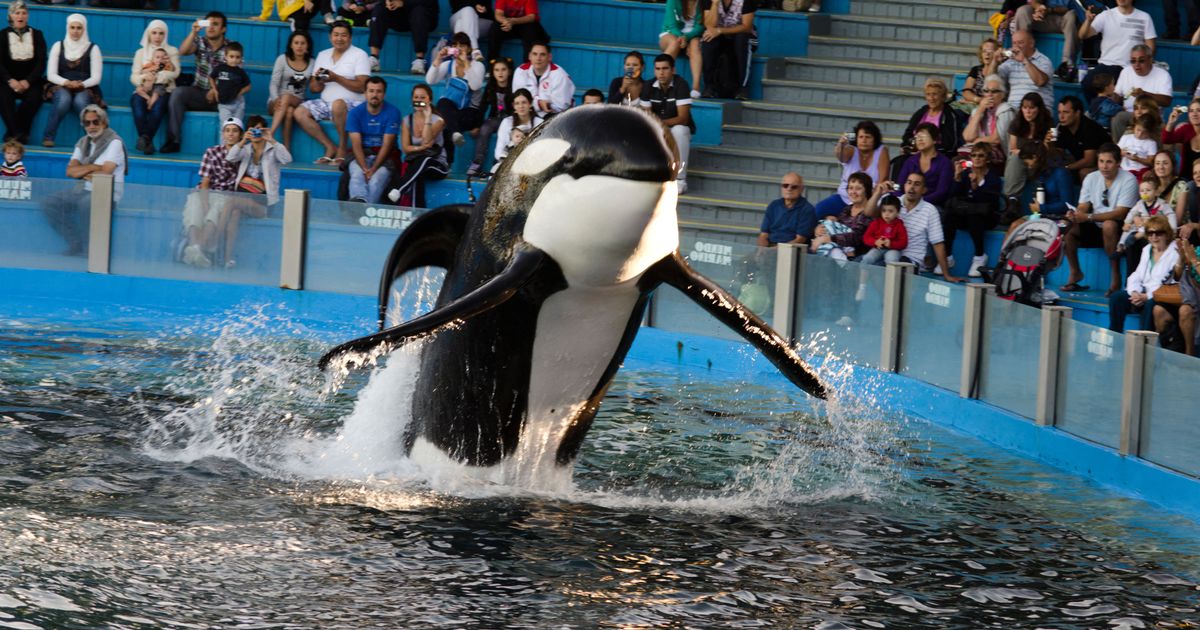
Kshamenk, was known as the loneliest killer whale in the whale, after his mate died in captivity back in 2000 – park officials said the orca died due to cardiorespiratory arrest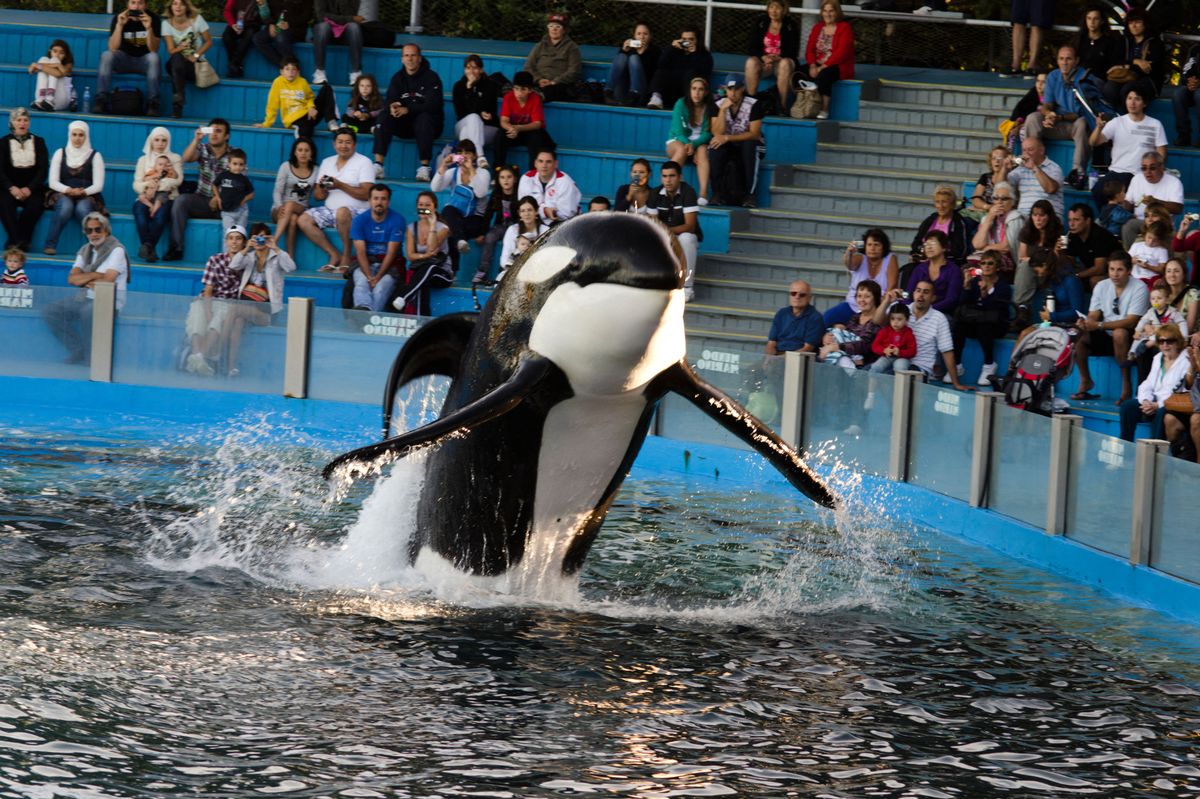 Kshamenk had been captive at the park for decades (Image: Alamy Stock Photo)
A killer whale, often called the loneliest in the world, has died 33 years following his controversial rescue.
Kshamenk, the last captive orca in Argentina, died at the Mundo Marino (Marine World) theme park in San Clemente on Sunday, park officials announced. Park owners said the male orca died due to cardiorespiratory arrest.
“It is with immense sorrow that we announce the passing of Kshamenk today, surrounded by his caregivers and the veterinary team,” Mundo Marino announced in a December 14 statement. “His death was due to cardiorespiratory arrest.
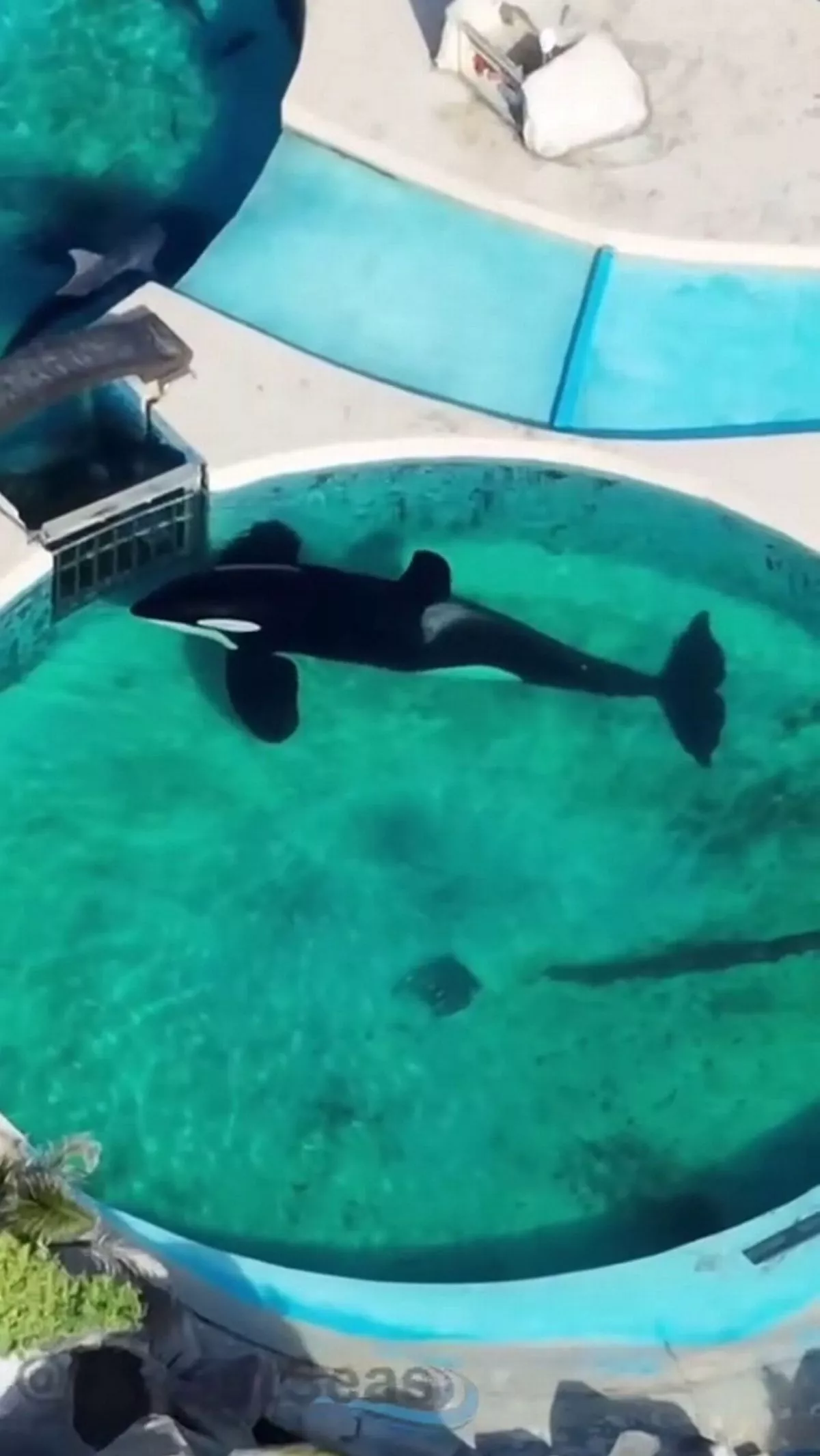 Kshamenk lived in captivity in pools he could barely turn around in(Image: UrgentSeas / SWNS)READ MORE: Killer whales ‘violently’ attack yacht carrying terrified family in the middle of the nightREAD MORE: Killer whales hunt down great white sharks to rip out their livers in shocking footage
Mundo Marino said an investigation into the death has begun but that “all indications suggest it was related to his advanced age, from which he could not recover.” According to the Center for Whale Research, the average lifespan of female orcas is about 50 years with male orcas living to about 29 years on average.
“It is very difficult to describe the pain we feel at Kshamenk’s passing. With him went a part of each of us. We are a huge team of people who dedicated our lives to ensuring his well-being 24/7 for 33 years,” Juan Pablo Loureiro, head veterinarian at Mundo Marino said. “He was part of our family.
“We are left with the peace of mind that we cared for him with all our love and the certainty that what he taught us is an invaluable legacy that will allow us to continue working for the conservation of many other animals.”
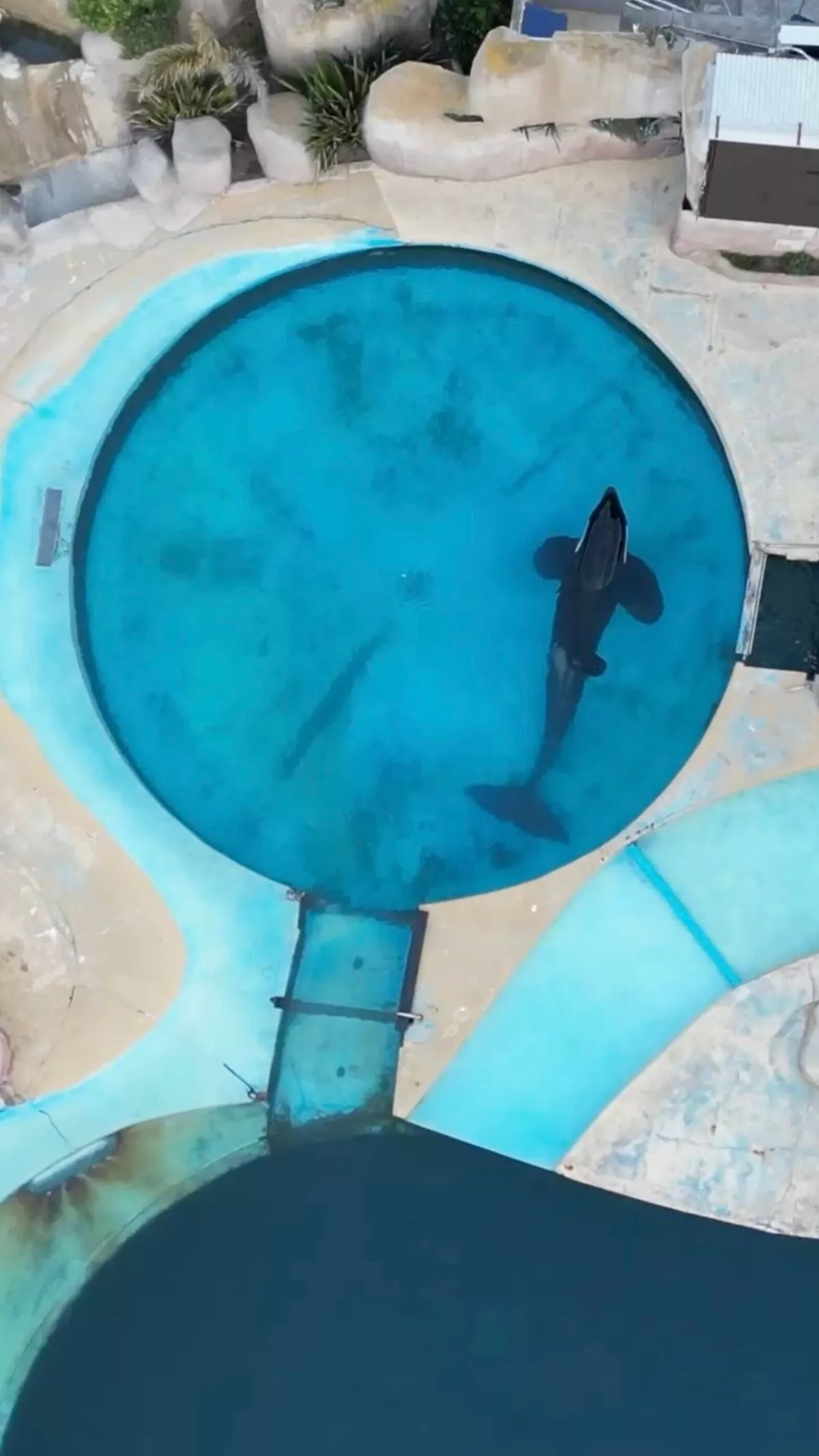 Kshamenk died over the weekend, according to officials (Image: Jam Press Vid/@walrus_whisperer)
Kshamenk ended up at the park following a controversial rescue in 1992 when he was three years old. Mundo Marino said there was “no possibility” he could be released back in the wild and that he was cared for at the park for over 33 years.
But critics have claimed the whale was intentionally stranded and said he was severely sun burned and needed to have his health monitored closely. He joined a female orca called Belen, who was also the subject of a rescue.
But she died when four months pregnant in February 2000 and Kshamenk has been alone ever since. In 2010, SeaWorld trainers from the US collected 24 samples of his sperm to artificially inseminate a female.
Kshamenk never met his calves and by 2022 it appeared as though his health deteriorated with observers noting he had dropped a considerable amount of weight.
By December 2023, it appeared as though the killer whale had gained some of the weight back.