
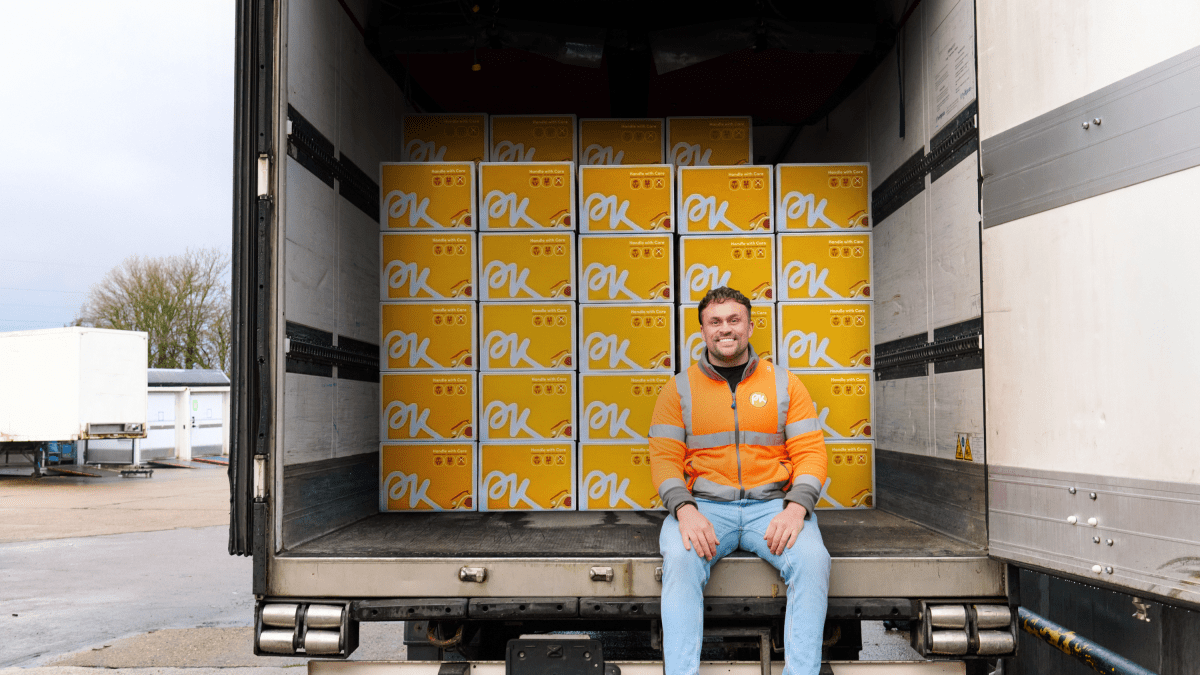
On Christmas Day, thousands will tuck into a Christmas dinner cooked by Prep Kitchen, in a festive tradition that has seen the meal-prep subscription service donate more than 10,000 meals to charity over the past three years.
Not that most of its merry diners in Southend will care, but a “regular” Prep Kitchen Christmas dinner comes in at just over 600 calories and nearly 40 grams of protein, with options for larger or lower-carb portions. The company, which delivers prepared meals designed to be microwaved in minutes, was founded by university friends Will Fishenden, 38, and Mark Morley, 37, in 2015 to cater to dieters and fitness buffs who were short of time.
Revenue grew from £13.9 million in 2023 to £26.6 million last year, and is approaching £35 million. Pre-tax profit fell from £573,000 in 2023 to £57,000 last year, a drop the company attributes to moving to a new site while expanding the team and marketing spend.
Prep Kitchen says it regularly feeds 50 to 60 Olympians, among other professional athletes. Athlete ambassadors, including Anthony Joshua, the boxer, and Eddie Hall, the weightlifter and former winner of the World’s Strongest Man title, have helped to cement the company’s credibility. “We’ve always said that we want to deliver restaurant-quality food, but that is going to help people reach their fitness goals,” Fishenden said.

Anthony Joshua
JAMES CHANCE/GETTY IMAGES
Customers tend to choose it for lifestyle reasons. Almost 70 per cent of respondents in a customer survey said that what they valued most was that its meals saved time and simplified their daily routine. Fewer than half chose to buy from Prep Kitchen to support health and fitness goals.
Fishenden said this was consistent with broader trends in Britain’s health-conscious spending. Ten years ago, when Prep Kitchen started, there was “a lot of noise” about dieting but fewer people were tracking their macros intake, the proportion of calories derived from protein, carbohydrates and fat.
“Consumer behaviour has massively changed now and people are very in tune with what they need to do to reach their goals,” he added. At the same time, Fishenden argued, health is something that consumers are less willing to cut back on, even as budgets tighten. Some studies have shown that consumers are often willing to pay a premium for healthier foods.
Investors piled into the convenience meal market during the pandemic. UK ready-meal and meal-kit companies raised £150 million in 2022, according to Beauhurst, the research firm. Funding has since cooled. Only about £17 million was invested last year.
According to analysis from GlobalData, the meal-kit subscription industry is expected to expand from £16.1 million in 2024 to £22.2 million by 2029. This surge is partly driven by a shift in consumer behavior, as 34 per cent of UK households are cooking at home more frequently. Ramsey Baghdadi, consumer analyst at GlobalData, said: “The consumer routine of cooking from scratch also gives an opportunity for brands offering a convenient solution through online orders to suit consumers’ on-the-go lifestyle and limits their frustration over choice overload.”
Supermarkets are embracing the trend. Marks & Spencer’s strong performance at the start of the year was partly thanks to its popular dine-at-home deals, according to Nielsen IQ, the consumer intelligence company. Sainsbury’s is focused on delivering “restaurant quality at home” with its expanded Taste the Difference range, in a bet that cash-strapped shoppers will continue to swap dining out for eating at home.
And Charlie Bigham, whose meals are stocked in most UK supermarkets, prides himself on offering a “really high-quality alternative” to eating out “for a significantly lower price”.
Prep Kitchen argues that its competitive pricing has helped it hold its ground against rivals. “In the last ten years, we’ve only put prices up twice,” Fishenden said. The company runs production in-house. As it has expanded, it has become more efficient in the production process, allowing it to trim costs. These efficiencies have been passed on to customers, not into extra profit, Fishenden said. “We know the pressure on UK food prices, and we want our product to stay accessible.”
He is not bothered by comparisons with recipe-box companies that provide ingredients and instructions. “They opened up the market for us. But recipe boxes still take 20–25 minutes, plus there’s washing up, and some people don’t finish the recipes so there is still some waste,” Fishenden said.
The self-described “food obsessed” serial entrepreneur grew up in restaurants and pubs, in a family where “we’re talking about lunch when we’re eating breakfast and we’re talking about dinner when we’re eating lunch.”
Straight after studying economics and marketing at university, Fishenden opened up a 40-seater bistro in Essex that expanded into a large 200-seater smokehouse. Together with Morley, who worked in e-commerce, he also ran a venture selling holistic health products, such as matcha tea, on Amazon.
However, the “crazy hours” in hospitality combined with being surrounded by burgers, ribs and wings affected his health. “My weight ballooned quite heavily and I went up to 140 kilos (22st 1lb) at the time,” Fishenden said. “I didn’t have time to do any meal-prep myself.” He looked for a service like Prep Kitchen but couldn’t find one.
That gap in the market became the starting point for Prep Kitchen. Fishenden and Morley each put in £10,000 and funded themselves through their other businesses to get it off the ground.
Prep Kitchen now has a three-week rotating menu with at least two new meals launched each week by Paul Mason, its Michelin-trained head of food. The company produces about 130,000 meals every week and the target is to reach a million meals a week by 2030.
After delivering meals on Christmas Day, the company expects a seasonal dip as kitchens shut and customers pause their plans. “But it’ll go absolutely mental in January,” Fishenden said.