
Support CleanTechnica’s work through a Substack subscription or on Stripe.
The US state of Oklahoma is Exhibit A in the case for the renewable energy transition. Oklahoma has done a good job of exploiting its wind energy resources, but its deep roots in the oil and gas industry keep popping up to haunt its people with polluted air, water, and soil. The cleanup will continue long after the last well is capped, but momentum for change is building.
Binging …
By the time Oklahoma achieved statehood in 1907, it was already the largest producer of crude oil in the US. In modern times it has been outstripped by Texas and Pennsylvania, among others, but Oklahoma still accounts for a small but significant share of crude oil production at 3% of the nation’s total, along with 3% of the nation’s refining capacity. As described by the US Energy Information Agency, the transportation and storage hub in Cushing, Oklahoma — aka the “pipeline crossroads of the world” — also remains the designated delivery and pricing point West Texas Intermediate crude oil, which serves as the US benchmark.
“In 2024, Oklahoma was the sixth-largest producer of marketed natural gas and accounted for about 7% of the U.S. total,” EIA also notes.
There being no such thing as a free lunch, the oil and gas binge has left Oklahoma residents holding the bag. Tens of thousands of abandoned wells pepper the landscape like, well, pepper. “The state has catalogued about 20,000 orphan wells, but federal researchers believe the true number may be over 300,000, based on historic industry data and airborne imaging techniques that identify old wells underground,” the independent news organization Pro Publica noted last week, in a long form report on produced in partnership with The Frontier and co-published with Grist.
The problem isn’t just that the abandoned wells exist. Left uncapped, they can allow deposits of oil and gas fracking wastewater to creep back up to the surface (see lots more fracking background here).
… And Purging
Fracking is short for hydrofracturing, an oil and gas drilling method that involves injecting a mix of water, sand, and chemicals deep into the ground under pressure. The briny wastewater that comes back up has to go somewhere, and since plenty of unused wells are available, that’s where it typically goes, with pressure playing a role in that operation, too.
Evidence of health impacts on nearby communities from fracking operations has been steadily rising through the years, alongside evidence that fracking waste disposal wells can contaminate groundwater. Earthquake hazards have also been linked to fracking waste disposal in Oklahoma and other states.
The Pro Publica team adds an additional twist. The state has been experiencing a rapid rise in the number of “purges,” episodes in which fracking waste literally pours up out of the ground, far from any known subsurface disposal sites.
The purge phenomenon is not new, but the surge in episodes is. A review of pollution complaints in Oklahoma by the Pro Publica team found that 150 purges have been reported over the past five years. In comparison, in 2020 state officials identified just 10 purges.
Pro Publica’s reporting indicates that state regulators have failed to ensure that waste disposal operators have observed safe pressure limits. “The purges were occurring near wells where companies were injecting oil field wastewater at excessively high pressure, high enough to crack rock deep underground and allow the waste to travel uncontrolled for miles,” the team explained.
The Renewable Energy Solution
The purge problem is fixable to some extent. Though collaborating with the US Environmental Protection Agency on enforcement and cleanup is probably a lost cause at the present time, state officials could take action to cap derelict wells and enforce safe pressure limits, if they choose to assign sufficient resources to the task.
That is also a long shot, considering the firm grip of the Republican Party on state business in Oklahoma. To complicate matters further, the data center construction boom has added more fuel to the fossil energy fire. Nevertheless, Oklahoma has already established itself as a renewable energy leader, and there is plenty of room to improve on its record.
The Oklahoma Department of Commerce has adopted a renewables-friendly strategy for attracting new business to the state, noting that Oklahoma holds the impressive #3 slot in a 50-state ranking for total renewable energy production including solar, hydro, geothermal, and bio-diesel along with wind power, the state’s primary renewable resource at the present time.
Oklahoma also generates 47% of its electricity from renewables, putting it at #4 for net power generation from renewable resources. “100% renewable power is available,” the Commerce Department also reminds businesses prospecting for a clean power profile.
Filling The Renewable Energy Gap …
Though the wind industry has been the main driver of renewable energy in Oklahoma, the state also hosts considerable solar resources. As described by the Commerce Department, Oklahoma ranks #6 in solar energy potential with more than 3,000 “sunny hours” per year, putting it ahead of the leading solar states California, Florida, and Texas.
Still, that potential has yet to be realized. As of Q3 2025, the Solar Energy Industries Association recorded a measly 513 megawatts in installed solar capacity in Oklahoma, accounting for just .83% of electricity in the state. That earned Oklahoma the embarrassingly low ranking of #40 in installed solar capacity as of Q3.
… Maybe!
It remains to be seen if solar activity in Oklahoma increases. The prospects looked solid earlier this year, fueled in part by the data center boom. In January, for example, the firm Leeward Renewable Energy outlined plans for 700 megawatts of solar capacity spread among multiple sites, far more than the state’s entire existing solar profile. Earlier this year the leading firm NextEra Energy also unveiled a plan for up to 250 megawatts at a site in Grady County.
As in other states, opposition to wind and solar has been churning steadily upwards in Oklahoma. However, farmers and other property owners are also becoming more aggressive in their pursuit of solar panels and wind turbines for new revenue. Keep an eye on the eastern part of Oklahoma, where wind developers are seeking new opportunities in the state.
Meanwhile, other renewable energy opportunities are beginning to emerge in Oklahoma. The Energy Department, for example, has been exploring the idea of harvesting geothermal energy from oil and gas wells, active or inactive. Oklahoma’s roster of unused oil storage tanks could also prove of use to energy storage innovators, too.
If you’ve spotted some other oil and gas infrastructure repurposing opportunities in Oklahoma or elsewhere, drop a note in the comment thread.
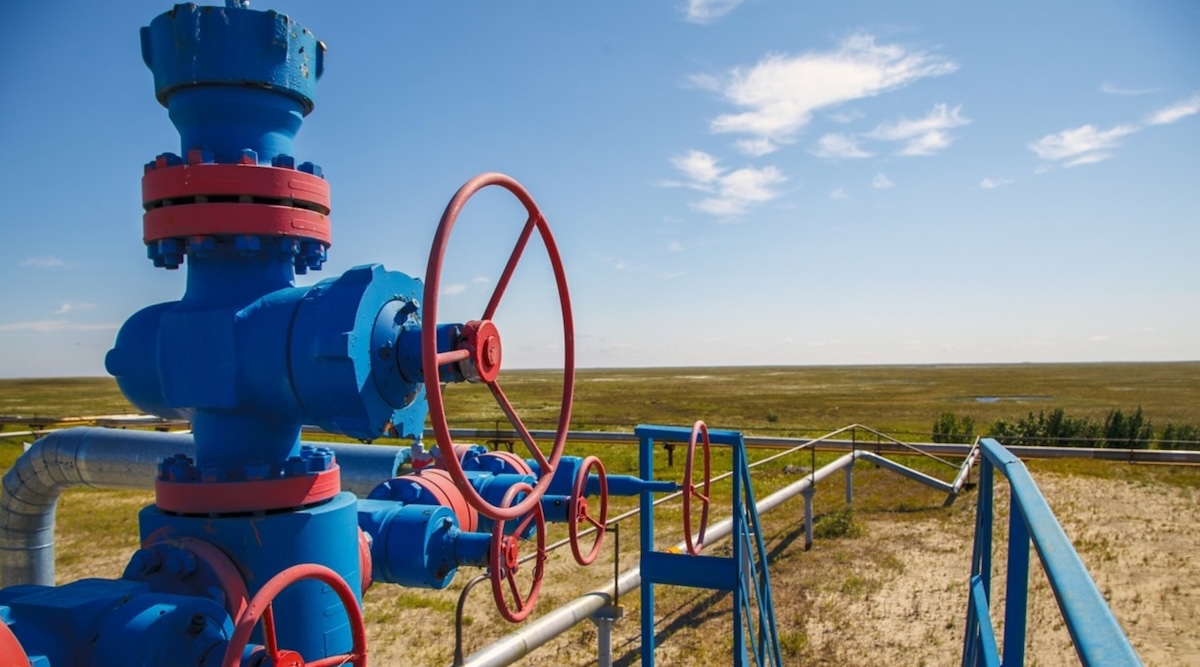
Image (cropped): While Oklahoma’s fossil fuel industry continues apace, the state also has the potential to grow its renewable energy profile (cropped, courtesy of Oklahoma Corporation Commission).
Sign up for CleanTechnica’s Weekly Substack for Zach and Scott’s in-depth analyses and high level summaries, sign up for our daily newsletter, and follow us on Google News!
Advertisement
Have a tip for CleanTechnica? Want to advertise? Want to suggest a guest for our CleanTech Talk podcast? Contact us here.
Sign up for our daily newsletter for 15 new cleantech stories a day. Or sign up for our weekly one on top stories of the week if daily is too frequent.
CleanTechnica uses affiliate links. See our policy here.