

Metformin is used by millions of people with diabetes as it is the first line oral treatment.Elaine Blackburne and Eilidh Farquhar Trainee Trends, Showbiz and Lifestyle Writer
21:40, 15 Dec 2025
 Millions of diabetes patients are being urged to watch out for symptoms from first line prescription.(Image: Getty Images)
Millions of people in the UK who have diabetes are being urged to watch out for two “serious” symptoms if they use metformin to help control blood sugar levels. If users experience the noted symptoms, the NHS advises patients to see a doctor “straight away”.
New figures have revealed that there is a record high of people living in the UK with diabetes. Charity Diabetes UK has said that almost 4.6million Brits have been diagnosed with the condition.
With this already being a staggering number, the charity also warned that it is thought that there are almost 1.3million other people in the UK who could be living with the disease who haven’t been diagnosed. This brings the number up to around 5.8million people, which is said to still be rising.
Diabetes is a condition that causes your blood sugar – also known as blood glucose – to get too high. Between 2023 and 2024, data has shown that the number of cases rose by 185,034, reports the Express.
There are three types of diabetes. Type 1 diabetes typically develops in childhood and sadly cannot be prevented, with the patient having to take insulin for the rest of their life, while Type 2 can sometimes be prevented if changes are made to diet and exercise habits. The third type is gestational diabetes, which develops during pregnancy.
 Gestational diabetes can develop during pregnancy but can be prevent through lifestyle changes.(Image: Getty Images)
As Type 2 and gestational diabetes can be treated with lifestyle changes, it also comes with different types of medicines. One of the most commonly used is an oral treatment called metformin.
Known as a first line treatment, data from the Scottish Government in 2024 revealed that around 90 per cent of patients in Scotland with Type 2 or gestational diabetes between October and December of 2022 had been prescribed metformin.
Below the border, there were over 26million prescriptions of metformin last year in England alone. Given usually as a tablet, your doctor will advise how many should be taken a day to help reduce blood sugar levels.
However, while it is a common medication, the NHS does highlight that metformin comes with a range of side effects to watch out for. The six most common are:
feeling sickbeing sickdiarrhoeastomach acheloss of appetitemetallic taste in the mouth
In addition, the prescription has a risk of B12 deficiency. The NHS also warns that some people may experience blood sugar lows when taking the medication, but this usually only happens if taken alongside other diabetes treatments, such as gliclazide or insulin.
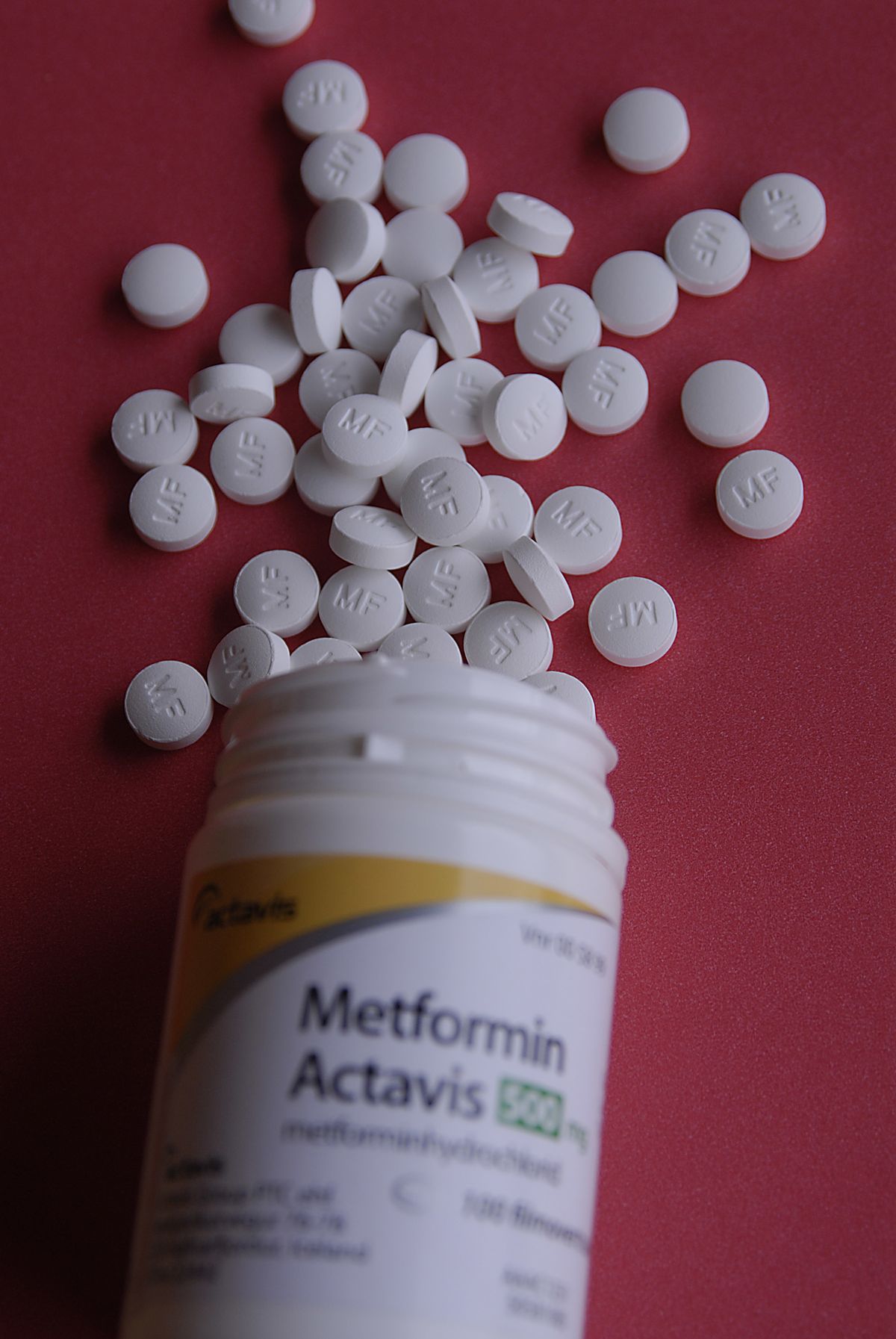 Metformin is a commonly used treatment for those with Type 2 or gestational diabetes.(Image: Francis Dean/Getty Images))
However, there are also some side effects that are more serious, with patients needing to seek medical attention or advice “straight away”.
The NHS warns that while serious side effects happen to less than one in 10,000 people, you should call 111 or your GP if:
you get a general feeling of being unwell with severe tiredness, fast or shallow breathing, being cold and a slow heartbeatthe whites of your eyes turn yellow, or your skin turns yellow, although this may be less obvious on brown or black skin – this can be a sign of liver problems
It is also rare to have a serious allergic reaction to metformin. The NHS urges patients to have someone call 999 if:
your lips, mouth, throat or tongue suddenly become swollenyou’re breathing very fast or struggling to breathe (you may become very wheezy or feel like you’re choking or gasping for air)your throat feels tight or you’re struggling to swallowyour skin, tongue or lips turn blue, grey or pale (if you have black or brown skin, this may be easier to see on the palms of your hands or soles of your feet)you suddenly become very confused, drowsy or dizzysomeone faints and cannot be woken upa child is limp, floppy or not responding like they normally do (their head may fall to the side, backwards or forwards, or they may find it difficult to lift their head or focus on your face)
The NHS adds: “You or the person who’s unwell may also have a rash that’s swollen, raised, itchy, blistered or peeling. These can be signs of a serious allergic reaction and may need immediate treatment in hospital.”