
Paywall for entertainment TV shows to replace ‘outdated’ licence fee is among Lisa Nandy’s options for radical overhaul of BBC charge
The Government has warned that the licence fee is becoming “outdated” and irrelevant in the streaming era as ministers set out plans for the biggest shake-up of the BBC in a generation.
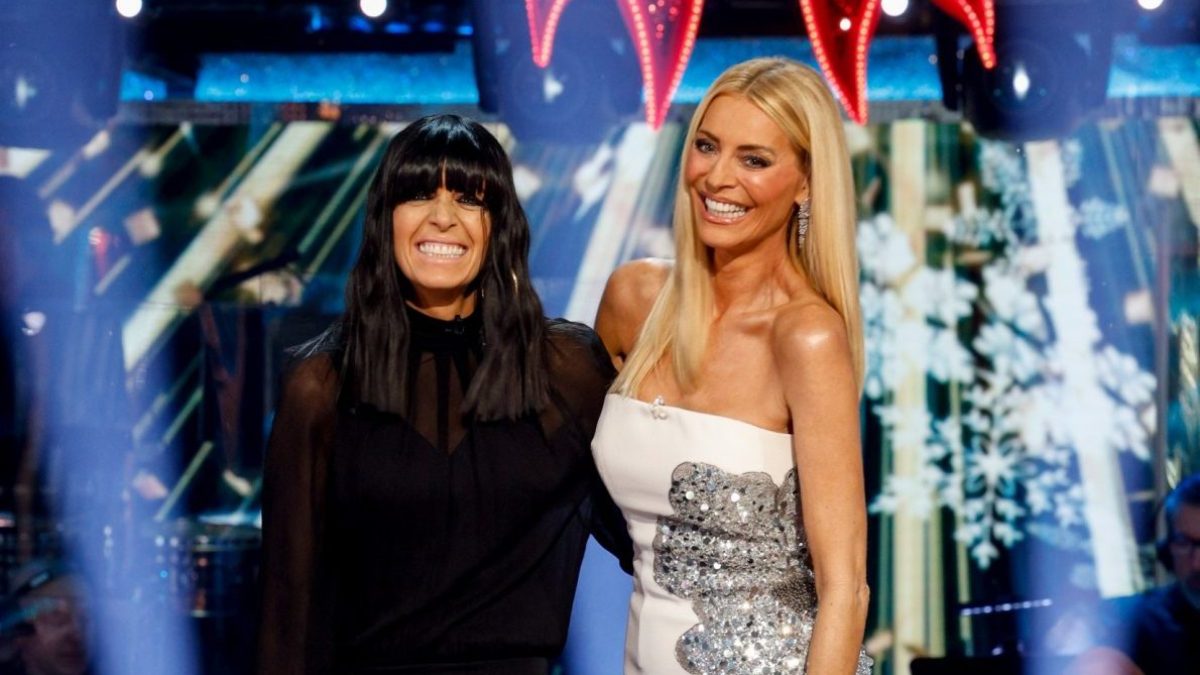
Strictly Come Dancing could be placed behind a paywall, similar to streaming platforms like Netflix, and it could be funded by advertising under the radical proposals published by Culture Secretary Lisa Nandy.
The DCMS consultation document also suggests that benefit claimants and students could get free TV licences amid fears poorer households are struggling to afford the current cost.
It then cites Germany, where “concessions are available to individuals who receive social benefits and to some students and people undertaking vocational training,” as a possible model to follow.
The Charter Renewal negotiations have today been launched, with a consultation document – or green paper – laying out plans for the governance and funding of the BBC for the next decade. The Department of Culture, Media and Sport (DCMS) promised a “BBC that is sustainably funded for decades to come to support its vital public service role.”
New FeatureIn ShortQuick Stories. Same trusted journalism.
But the Government warned that a mandatory licence fee may not be sustainable as audiences flock to the BBC’s streaming rivals.
“In the decade since the last Charter Review, technological change has led to shifts in how and where people consume content, with audiences moving away from traditional broadcasting to online content,” the DCMS said.
The Green Paper added that “changing media market and audience viewing habits mean this Charter Review needs once more to consider whether it remains a suitable model.”
“In this environment, where they are now accustomed to accessing advertising or subscription-funded content everywhere, there is a sense among some audiences that the licence fee has become outdated”.
How BBC funding options could hit your pocket
The Green Paper said: “As the licence fee is a tried and tested public funding model, we are not considering replacing it with alternative forms of public funding, such as a new tax on households, funding through general taxation, or introducing a levy on the revenues of streaming services to fund the BBC.”
New funding options include allowing the BBC to compete for advertising. “The BBC could potentially generate significant revenue from carrying advertising on its public services, while continuing to make them universally available.
This funding model supports other public service media providers such as ITV, Channel 4, and Channel 5,” the green paper states. Commercial rivals are certain to oppose any change which would reduce their share of the advertising pie.
Adding a Netflix-style subscription element for certain programming is another option.
The BBC’s remit could change so that it offers a “smaller range of licence fee-funded content on a universal basis on live TV and BBC iPlayer, with some TV content and genres moved to a subscription model.”
“Content that remained universally available could include genres such as news, current affairs, factual, and children’s TV. More commercially viable TV content could be provided on a fully commercial basis if the BBC chose to do so, funded by subscription and/or advertising.”
Putting entertainment shows behind a subscription paywall “could be accompanied by a reduction in the level of the licence fee to reflect the BBC’s narrower TV remit, reducing cost pressures on households,” the DCMS suggested.
Hit entertainment shows like Strictly could go behind the paywall or be accesssed by through iPlayer, with tiered subscriptions giving viewers different levels of programming. Users could also pay to access BBC Sport and the Sounds app.
Ministers acknowledge this approach could make funding public service genres like drama unsustainable.
BBC insiders said the corporation could not accept any proposal that compromises the broadcaster’s commitment to “universality”, offering a range of programming for all.
Alternatively, classic BBC hits like Line of Duty could go behind a top-up subscription paywall on iPlayer after it has been available for a certain time period.
The licence fee could move to a “progressive” system, where wealthier households pay more, whilst those on benefits and fixed incomes could get reduced or free licences.
Modernising and digitising licence fee collection could reduce the number of letters people receive, door visits and ultimately prosecutions for non-payment, the document suggested.
Former BBC director general Tony Hall has suggested there should be consideration of a household tax charged in line with council tax bands, breaking the link between watching the BBC and paying the charge.
The Government rejects that model, the BBC reported.
No decisions yet on how the BBC will be funded
The public will be consulted on measures to reform the licence fee, including whether licence fee concessions, such as free licences for the over-75s who claim Pension Credit, should be updated.
Ministers want more options for the BBC to generate more commercial revenue – the BBC generated £2.2bn in UK and international sales last year, but more income would help offset a steady decline in the number of people paying the licence fee.
Ministers are also exploring options for funding the World Service – the BBC believes the Government should shoulder the full cost – and supporting sustainable funding for minority language broadcasting, including the Welsh language S4C.
Nandy said: “We’re keeping all options open. The only option for funding the BBC that we’ve ruled out is general taxation, and that is because it is essential that the BBC can hold governments of any persuasion to account, including ours, without fear or favour and without being heavily reliant on direct funding from Government.”
She described the BBC as “an institution that matters deeply to the democratic process in this country and to the health of our nation” and said it “has to have sustainable funding in order to thrive”.
But she also warned: “There have been serious concerns about developments at the BBC, including editorial standards and about political interference.
“These aren’t new challenges for the BBC. Throughout its history, it’s had to navigate them, but we believe that through this charter, we can strengthen the amount of accountability within the BBC.”
Your next read
There will be a 12-week public consultation with the Government seeking views on how to ensure the BBC commands the public’s trust and is accountable to audiences.
The DCMS said: “Charter Review is an opportunity to futureproof the BBC to make sure it not only survives, but thrives for decades to come. It will seek to ensure that audiences continue to have access to high-quality British drama, entertainment and educational content, as well as the corporation’s world-class journalism.”
Ministers propose giving the corporation new responsibilities to counter misinformation and disinformation, updating the BBC’s mission to put accuracy on the same footing as impartiality and strengthening the BBC’s independence, including examining political appointments to the BBC’s board.
Outgoing BBC director-general Tim Davie said: “We welcome the publication of the Government’s Green Paper and the start of the public consultation on the future of the BBC. We urge everyone who cares about the success of the UK’s world-leading creative industries to have their say.
“At the BBC, we want change, so we can continue to deliver for the UK for generations to come. We want to secure a public service BBC that is independent, sustainably funded for the long term, and meets our audience’s needs.”