
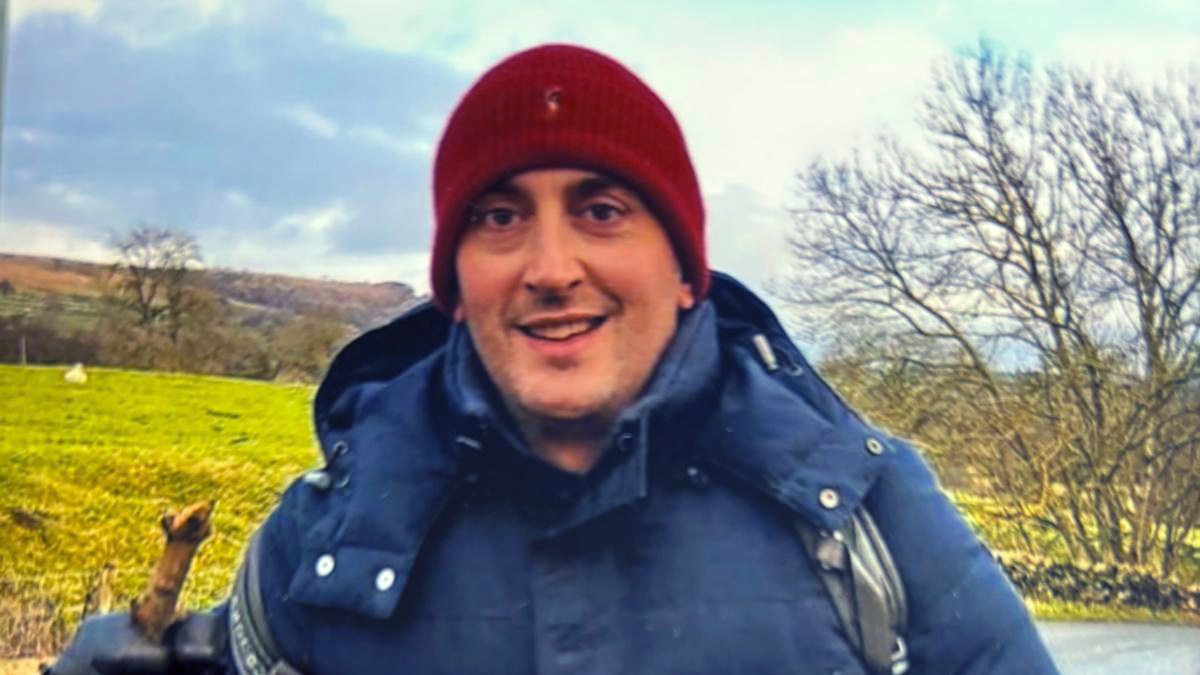
The parents of a sales manager who took his own life in the pandemic say he “fell prey to the dangers and evils of gambling”.
To friends and family, Gareth Evans, 40, the inquest into whose death begins this week, was kind and thoughtful, a well-travelled and fun-loving uncle to two adoring nieces, who had a successful career working for a chain of hotels.
However, in private he had been battling a gambling addiction for more than a decade. On November 1, 2021, he took his own life at home in Croydon, south London.
• How can a nurse gamble away £200,000, minister asks
In a note addressed to his parents and sister, he said that it was the shame of gambling that had led him to do it. Rosie Evans, his mother, said: “He couldn’t cope any more. He must have felt he had no hope and he just couldn’t face us all and ask for more help.
“It must have been so hard struggling with the anxieties and the fight against the pull of online gambling. We had such happy family times and he had wonderful friends who knew little of his struggles.”
The inquest on Wednesday will mark the conclusion of their four-year fight to gain official confirmation that gambling addiction caused, or was a significant factor in, his death.
“There are few records of gambling deaths,” his mother said. “We have had to go to such lengths to get a diagnosis, to get a statistic, and to let people know that gambling kills. People have to know that there really are people dying, and not enough is being done. We must all work harder to stop young people being lured into this terrible addiction.”

Rosie and Tony Evans
LUCY YOUNG FOR THE TIMES
Gareth’s family knew nothing about his gambling until 2013 when he sought financial help from them. His mother and father, Tony, a retired business development director, agreed to clear his debts, while their son agreed to attend Gamblers Anonymous meetings, share bank login details and start therapy at the London Gambling Clinic.
He went through “ups and downs” with relapses over the next few years, although most of their understanding of the depth of his problem was gleaned from bank statements after his death.
He underwent treatment offered by the NHS, but the family said it was limited, so he sought help from private consultants. “We had no idea how this addiction was caused and we didn’t know what help was out there,” his mother said. “Nobody talked about it. He didn’t talk about it.”
During the pandemic, he was placed on furlough from his job. Forced to stay at home in lockdown, his smartphone gambling escalated with long betting sessions into the early hours.
He bet on sports, usually tennis, and most of his gambling during Covid was with William Hill, which offered him free bet promotions. Only on one occasion was he sent an automated “responsible gambling” email to check he was comfortable with his losses.
Susannah Chambers, his sister, said: “They didn’t step in when they should have done,” claiming that there was not enough regulation or safeguarding. “The markers for harm should be flagged sooner and they should be flagged to a person.”

Susannah Chambers, Gareth’s sister, with her parents
LUCY YOUNG FOR THE TIMES
Gareth barred himself from online gambling in October 2020, using Gamstop’s tool to “self-exclude”, but even this significant step was not enough. He started withdrawing large sums of cash from an ATM next to a William Hill bookmakers, near his home, which bank statements show continued in the days before his death.
His family later found that he had lost tens of thousands of pounds in the 18 months before his death. This included a number of sizeable personal loans from HSBC, paid out in August 2021, despite his years of gambling losses being visible to the bank.
The family said that in the four years since his death, much had been achieved. The NHS has opened 14 gambling clinics nationwide since 2019 and numerous organisations offered peer support, training for doctors and prevention strategies.
• Dominic Lawson: Time to tackle football’s gambling predators
“Please be aware that gambling hijacks your brain,” Mrs Evans said. “It is an illness and you must seek treatment at the earliest stage. Don’t think your loved one is just being weak. They have simply fallen prey to the dangers and evils of gambling.”
William Hill has faced regulatory action in recent years. In 2023, the gambling commission ordered it to pay a record £19.2 million for “widespread and alarming” social responsibility and anti-money laundering failures, although Gareth’s case was not part of the regulator’s investigations.
The Evans family has been supported by Gambling With Lives, a charity that helps families bereaved by gambling-related suicide.
A spokesman for Evoke, the parent company of William Hill since 2022, said: “Ahead of the inquest it would not be appropriate for us to comment on specifics, but we would like to extend our sincere condolences to Mr Evans’ family in this tragic case.
“Safer gambling is at the core of Evoke’s business, and we are fully committed to providing a safe and sustainable environment for all customers. Since taking ownership of William Hill in July 2022, we have continuously evolved and improved our safer gambling processes and systems to ensure we adhere to changing industry-wide regulations.”
The Times approached HSBC for comment.
If you or your family are affected you can contact Gambling With Lives support@gamblingwithlives.org