
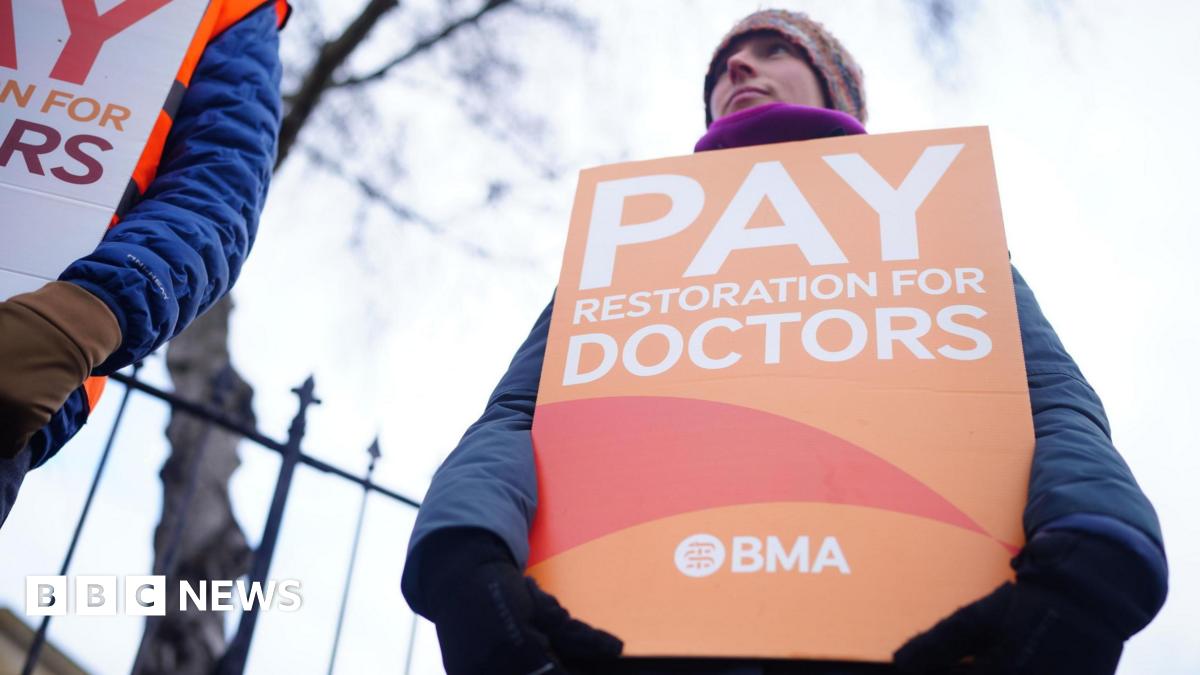
In the two most recent strikes – in July and November – NHS England said it was able to keep the majority of non-urgent operations and treatments, such as hip and knee replacements, going.
But NHS England said it expected more disruption this time. Concern has also been expressed that hospitals may struggle to discharge patients in time for Christmas as the doctors who are working concentrate on providing strike cover.
Medical director Prof Meghana Pandit said: “These strikes come at an immensely challenging time for the NHS, with record numbers of patients in hospital with flu for this time of year.
“Staff will come together as they always do, going above and beyond to provide safe care for patients and limit disruption.
“But sadly more patients are likely to feel the impact of this round of strikes than in the previous two – and staff who are covering will not get the Christmas break they deserve with their families.”
Streeting added: “We have been working right up to today to try and avert these strike actions.
“Everyone knows the period leading up to Christmas and into the New Year are always the busiest for the NHS. With super flu, this year is harder.
“And that double whammy of flu plus strikes means that there is an additional burden now on other NHS staff.”
NHS England said GP practices will continue to be open and urgent and emergency care services will be available for those who need them.
But even then there is likely to be some disruption. Cheltenham General Hospital’s emergency department is closing for emergencies during the strike – it will remain open for minor injuries – with patients advised to use nearby Gloucestershire Royal Hospital.
NHS England said the public should use 111 online, external as the first port of call for urgent, but not life-threatening issues during the strike.
Patients who need emergency medical care should continue to use 999 or come forward to A&E as normal, it added.
The strike is going ahead despite a new offer from the government being made last week, which included increasing the number of speciality training posts and covering out-of-pocket expenses like exam fees.