
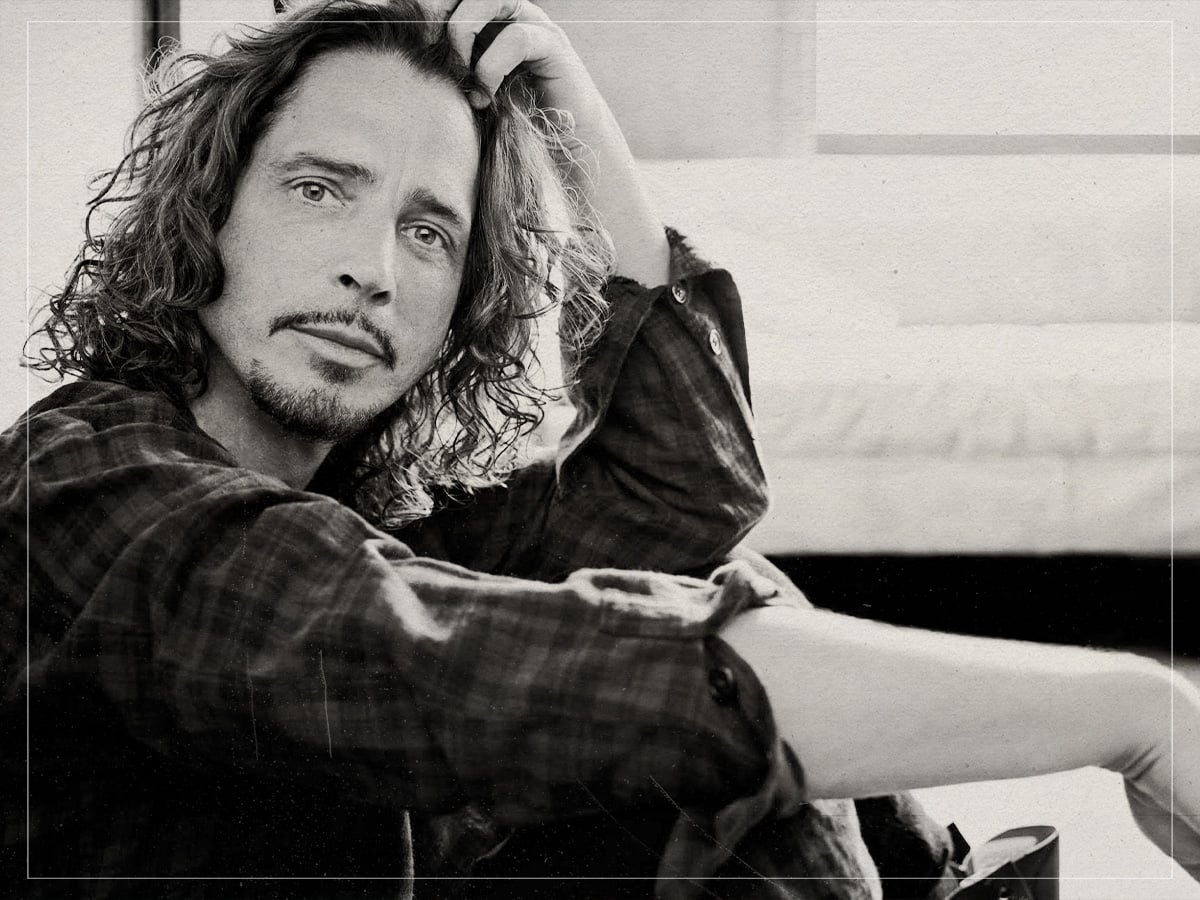
(Credits: Far Out / Chris Cornell)
Wed 17 December 2025 14:43, UK
Comparison may well be the thief of joy, but it hasn’t stopped decades of music journalists from finding a way to understand a new band. It goes quite simply with the job that to know a new record or artist is to find something that came out before them that they are similar to. It was certainly something that seemed to latch onto Soundgarden.
When Soundgarden burst onto the scene with two startlingly fresh EPs, Screaming Life (1987) and Fopp (1988), anthemic rock was releasing its death-rattle, and most of the bands getting radio play had decided to let it die. However, with the dawn of a new decade, a wave of American guitar bands that included Nirvana, Smashing Pumpkins, and, of course, Soundgarden, administered the world of rock with a much-needed dose of fuzz-heavy adrenaline.
As with all new-fangled genres, writers at the time didn’t quite know what to make of the grunge sound emerging from Seattle, and so they attempted to define these new bands with a language and imagery they could understand, a language derived from the classic rock era. In reality, much of what those rain-soaked bands stood for was the antithesis of the classic rock era. Nirvana’s Kurt Cobain was famously vocal about his disdain for the politics of the previous generation.
In a way, the comparisons between Soundgarden and Led Zeppelin were unsurprising. During their performance of ‘Hangin’ on MTV in 1991, all the ingredients that had made Robert Plant, Jimmy Page, John Paul Jones and John Bonham such titans of their day are on display: a charismatic frontman with an elastic falsetto; a virtuosic guitarist with a taste for chunky, metal-infused riffs; and a combined sound that could blow the roof of any stadium from Seattle to New York.
But for Chris Cornell, the constant comparisons between Soundgarden and Led Zeppelin became something of a burden. In fact, Cornell occasionally stopped journalists mid-interview to “get the Led Zeppelin questions out of the way”, leaning over their open notebooks to see how many of the questions were about “which Led Zeppelin record changed our lives? Why is my hair long and curly like Robert Plant’s? Do I wear my dinky to the left also?”
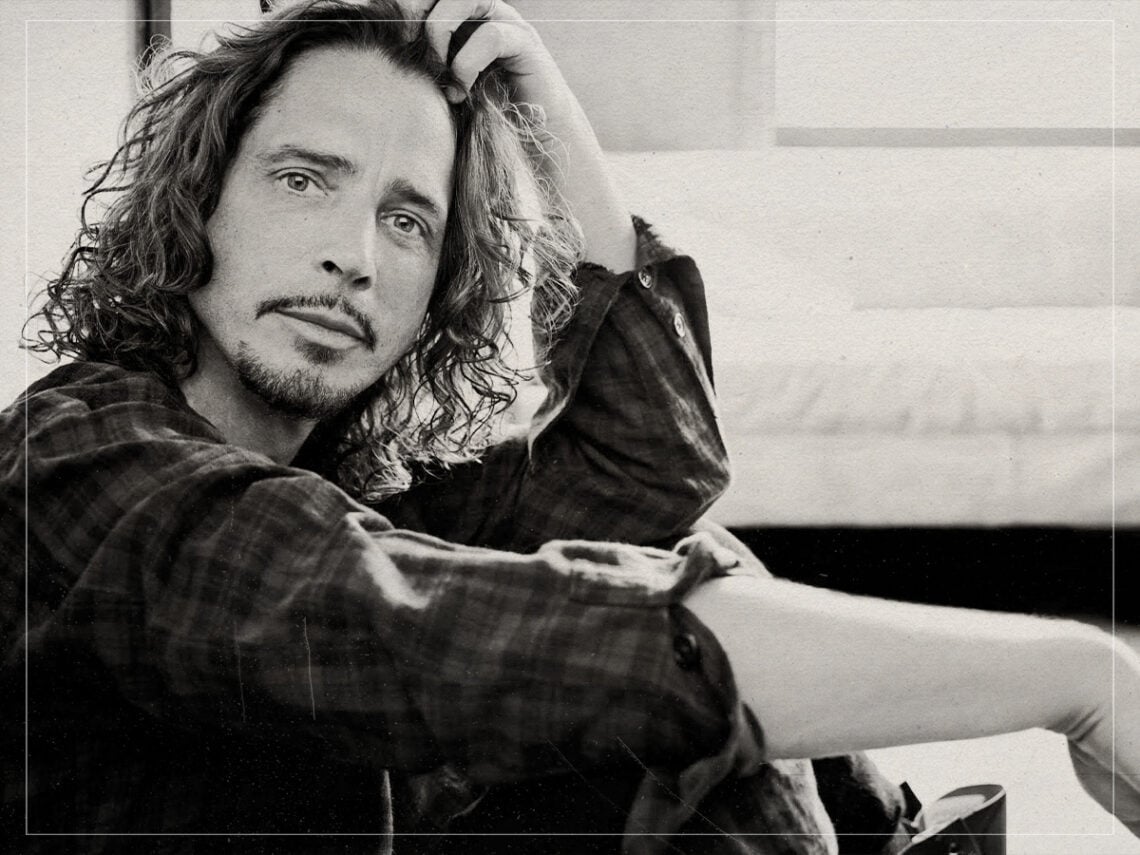
 Chris Cornell without the Robert Plant curls. (Credits: Far Out / Press)
As Cornell was once forced to explain in a particularly frustrating 1989 interview: “When we first got stuck with that Led Zep tag three years ago, I thought it was OK Back then, everyone in Seattle was into the Smiths and the Cure and Led Zeppelin was very ’70s, very uncool. We were outcasts from the goofy art rock scene, which was fine by me. I just figured it could be worse, they could’ve compared me to Jim Morrison”.
“Lately, though,” Cornell continued, “All the Led Zep comparisons have become a thorn in the band’s side. I mean, Led Zeppelin was never a favourite band of anyone in the group and, to tell the truth, I don’t really hear much Led Zeppelin in us, except that I sometimes sing in a loud falsetto. We don’t write songs about wizards, swords or any of that Dungeons and Dragons crap”.
Soundgarden’s frustration with the Led Zeppelin comparisons was understandable. Seattle, after all, had, until that point, been defined by its greatest export: Jimi Hendrix. While it may well have been a source of pride for some, the West Coast sound that dominated the hippie age was so revered that it risked suffocating any new musical life before it had been given a chance to breathe.
For the new Seattle bands, there was a genuine risk that lazy comparisons would reduce the fresh sound this flourishing scene had cultivated throughout the ’80s. In this sense, Cornell’s attempts to combat these ill-drawn parallels were essential blows in a fight for survival.
Being labelled “the new…” is just about as simple a declaration of war as one can hope to lay down. By proclaiming an artist is the new version of an established act is not only designed to wrack up the fans of that classic act but has a chance to dissuade any fence-sitters from believing a band were simply a reiteration of an old meal. Thankfully, Soundgarden bucked that trend.
As well as leaning heavily into the trickier side of rock music, to promote depth and intricacy, the band also hyped up their other inspirations, with the group’s obvious debts to punk and metal becoming a keener feature of their work. But perhaps the biggest difference was attitude.
With success, Soundgarden could have easily fallen into the same pitfalls Led Zeppelin did. But there is no picture of Chris Cornell stuffed into a leather suit with his chest hair exposed, because it doesn’t exist. In truth, the comparisons, lazy as they were, may have helped to not only refine the group’s sound but push them towards a life in the music industry that rejected the kind of wild ego that Led Zeppelin appeared to revel in during their early days.
Related Topics
The Far Out Led Zeppelin Newsletter
All the latest stories about Led Zeppelin from the independent voice of culture.
Straight to your inbox.