
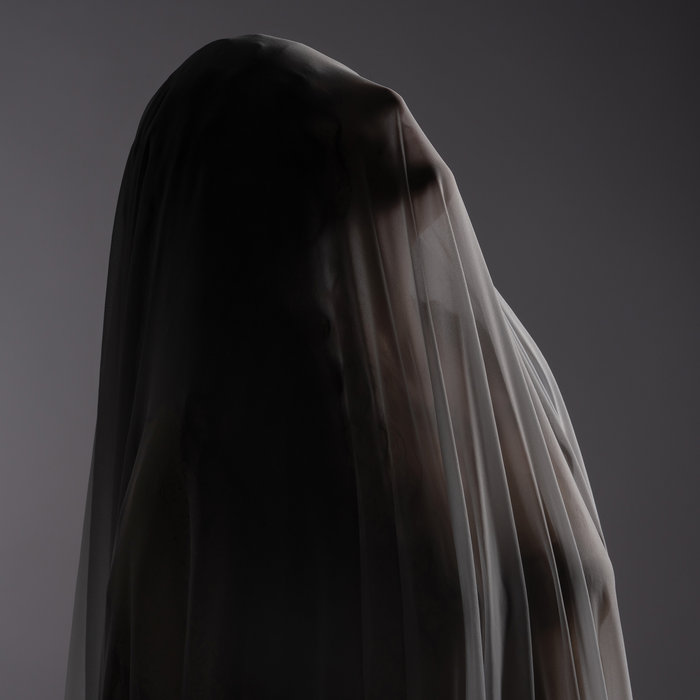
Grayceon, “Then The Darkness”
By
·
July 29, 2025
It’s surprising there isn’t a greater number of heavy bands that have space for a full-time cellist. The instrument, however uncommon, slots into traditional metal remarkably well, especially when amplified or distorted. Its dark, rich tone and versatile range act as a buffer against the downtuned guitars and teeth-clenching percussion, while simultaneously reinforcing the music’s overarching tension. Cellos in metal are not without precedent—Metallica hosted shows backed by the San Francisco Symphony Orchestra, two of which were released as live albums, and the Finnish symphonic metal band Apocalyptica has three classically trained cellists in their ranks—but for the most part, they’re restricted to cameos.
Few bands embody that underutilized synergy more than Grayceon, a long-running Bay Area power trio led by cellist and vocalist Jackie Perez Gratz. Across two decades and five albums, the band (completed by guitarist Max Doyle and drummer Zack Farwell) have consistently leveraged the cello, and by extension, heavy music’s affinity for classical music, to craft epic, expansive post-metal that occasionally draws on traditional Middle Eastern sounds. They continue that legacy on their sixth record, Then The Darkness: a 79-minute masterclass on how to forge strings into instruments of power capable of outshining the competition.
Range is a key factor in any album’s success, and downright non-negotiable whenever dealing with big, complex, hour-plus affairs like Grayceon’s; fortunately, the band have the flexibility and fluidity needed to go the distance. Catchy tracks like “Velvet ‘79” and “Holding Lines” nod to Metallica’s rowdy, (and underrated) mid-’90s period, while “One Third” weds Alice In Chains harmonies to fuzzy stoner riffs à la Mastodon. Penultimate track “Untitled,” by contrast, is a stripped-down pastoral folk piece elevated by Doyle’s gnashed guitars in a sudden eruption three minutes in.
The orchestral cello treatment reinforces the cathartic nature of Then The Darkness, complementing its lyrical themes of loss, conflict, deceit, illness, death, and grief. And yet, the experience is far from bleak or despairing. “Is this all there is/ Just a bunch of war and fighting?” bellows Gratz during the record’s final verses. The implication, of course, is that there can be much more than that, especially if we put our minds to it—and maybe add some strings.
NOW PLAYING
PAUSED
by
.