
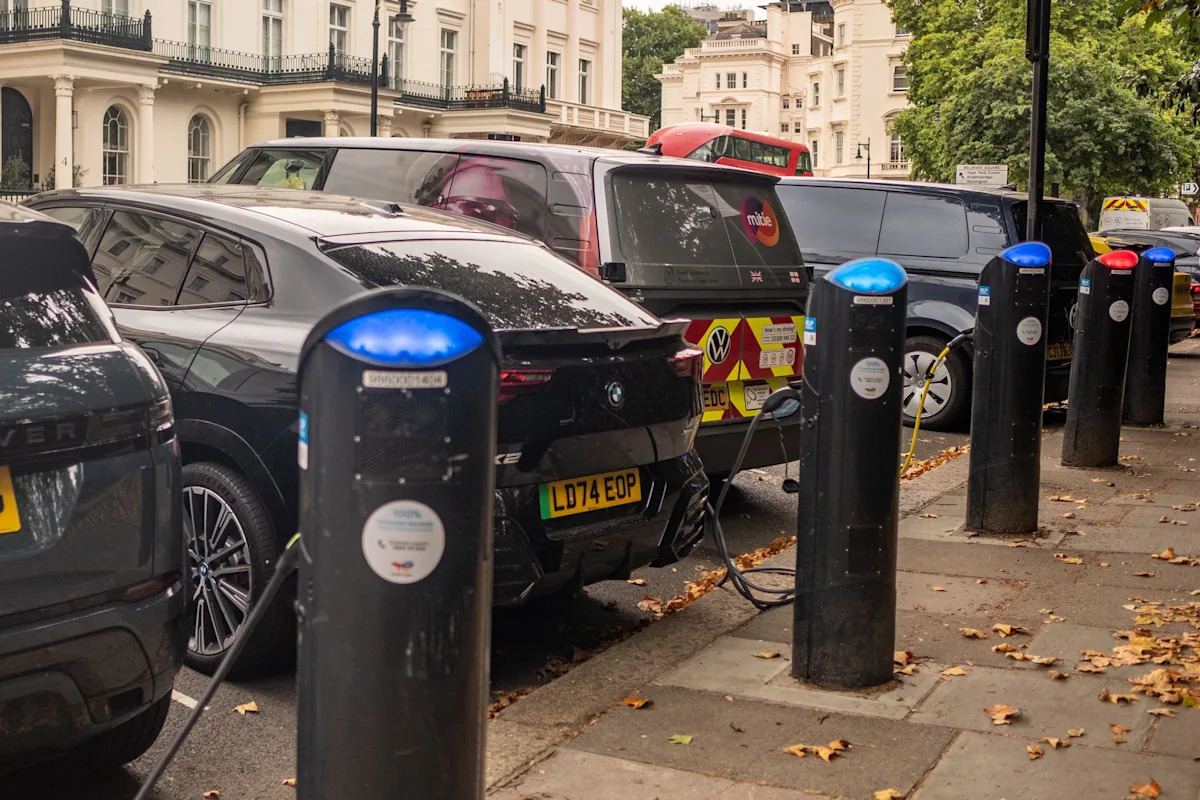
The EU has announced a significant rollback in its proposals to ban the sale of new petrol and diesel cars, in a move that could have a big impact on the UK’s own zero emissions mandate and electric vehicle market.
On Tuesday, the EU announced it would ease its proposed ban on sales of new cars with internal combustion engines by 2035, responding to pressure from governments and sections of motor industry.
Businesses in the sector had argued that they needed more flexibility in finding ways to reduce emissions of carbon dioxide (CO2) and help achieve EU climate goals. They had also pointed to low electric vehicle (EV) sales figures.
The EU’s policy was already less ambitious than the UK’s, which still plans to ban the sale of new cars without batteries by 2030.
As the EU’s car market is heavily integrated with the UK’s, some commentators have said the UK government may be forced to change its policy as well.
What changes has the EU announced?
Proposals from the European Commission mean that EU targets would shift to a 90% cut in CO2 emissions from 2021 levels, instead of current rules that all new cars and vans from 2035 have zero emissions.
In practical terms, this means that most cars would be battery-only, but would leave room for some cars with internal combustion engines. The less stringent limit would leave room for automakers to continue selling some plug-in hybrids.
EU officials have argued that changing the limit will not affect progress towards making the 27-country bloc’s economy climate neutral by 2050. The proposals still require approval from EU governments and the European Parliament.
How could this affect the UK?
The UK has a similar policy called the zero-emission vehicle (ZEV) mandate, which aims for 100% of new car and van sales to be zero emission by 2035.
The sale of new petrol and diesel cars will be banned by 2030, although hybrids will still be able to be sold until 2035.
The UK has a much higher EV adoption rate (at 22%) than the EU’s 16%, but this is still below the government-mandated target of 28% by the end of 2025.
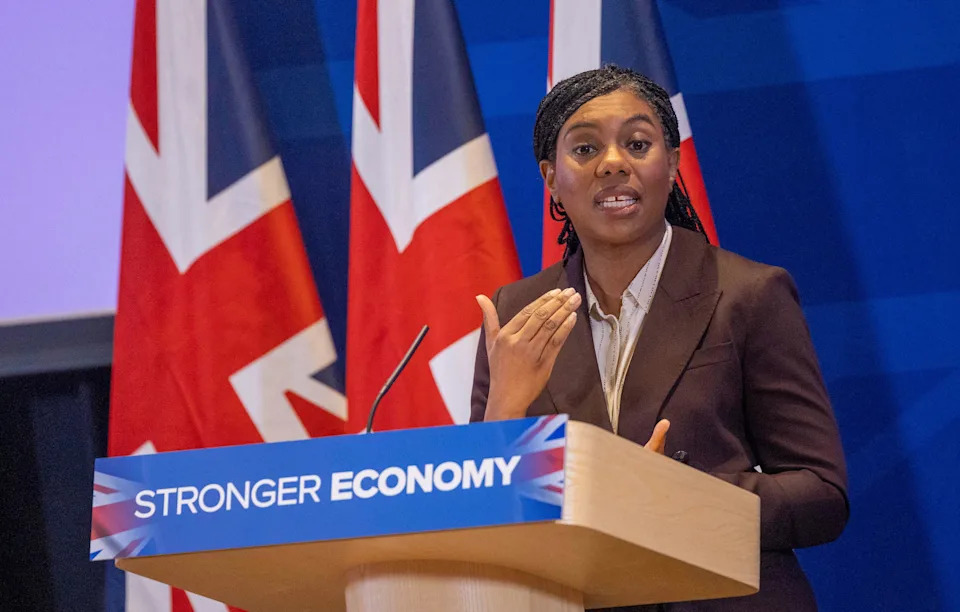
Kemi Badenoch has said the Tories would roll back the UK’s pledges on EVs. (PA)
Bloomberg estimates the UK has now overtaken Germany to become the largest electric car market in Europe.
But it has recently become an increasingly contentious political issue. Despite initially being a Conservative policy under Rishi Sunak’s government, the zero-emission vehicle mandate is now unpopular in the party and Kemi Badenoch recently pledged to scrap the ZEV altogether.
The new EU policy has added further fuel to those who argue the current rules are too strict and make the UK an uncompetitive place to produce and sell cars.
The UK’s largest car export market is to the EU, so any policy change there will impact manufacturers’ opinions.
The former chief executive of Aston Martin, Andy Palmer, told The Times the UK would have to follow the EU’s lead because of the high number of vehicles traded between the two areas.
“It becomes very difficult because if the EU drops their ban the factories there won’t ramp up their EV (electric vehicle) production in the way forecast. There wouldn’t be enough EVs to meet the demand required in the UK.”
But there has also been a push back from the EV industry in the UK, with many arguing the government should not change its policy because of the clarity it gives to automakers.
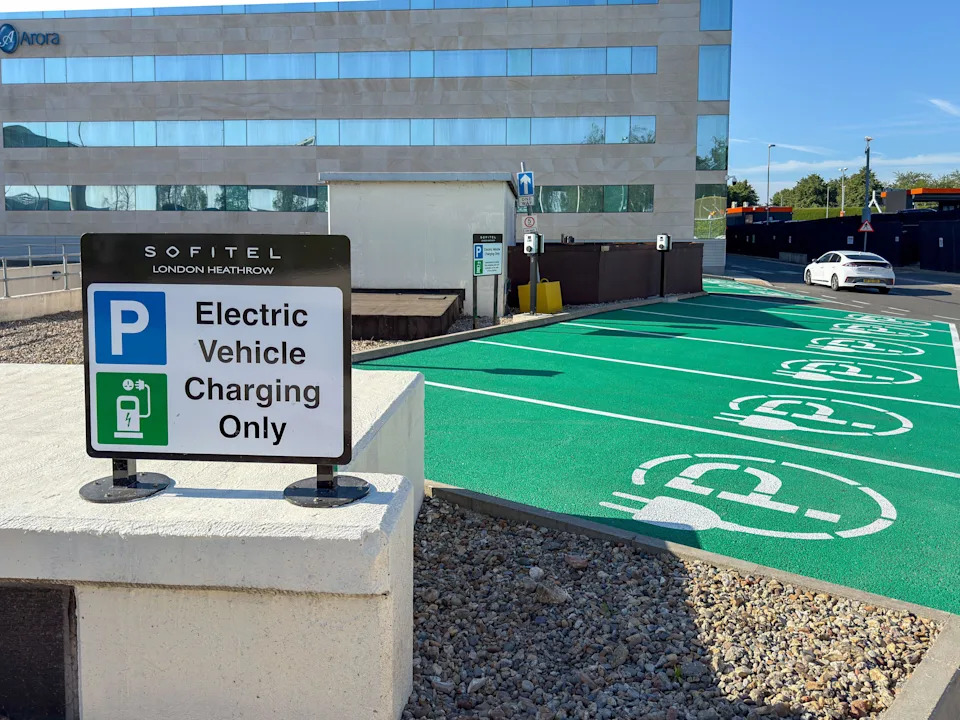
The UK is now the largest EV market in Europe. (PA)
Fiona Howarth, the director of Octopus Electric Vehicles, told Yahoo News: “Weakening policy only undermines the investment needed to compete.
“The UK has a unique opportunity to hold firm, provide policy certainty and attract the talent and capital needed to secure its place as a leader in the electric transition for generations to come.”
Should you buy an EV car now or wait?
So far, the stance from the government is that the EU’s decision should not impact UK customers.
A Department for Transport spokesperson said: “We remain committed to phasing out all new non-zero emission car and van sales by 2035.”
But the Financial Times reported on 17 December that the government was considering reviewing some its targets in 2026 rather than 2027 in response to industry pressure, which could indicate the ZEV may be watered down.
Any pledge by the Conservative Party would also be unlikely to come into effect by the next election in 2029 at the earliest, which is so close to the beginning of the 2030 deadline that it is unlikely the industry would change any of its planning.
Edmund King, the president of the AA, told Yahoo News that weakening long-term targets was the wrong way to go about things.
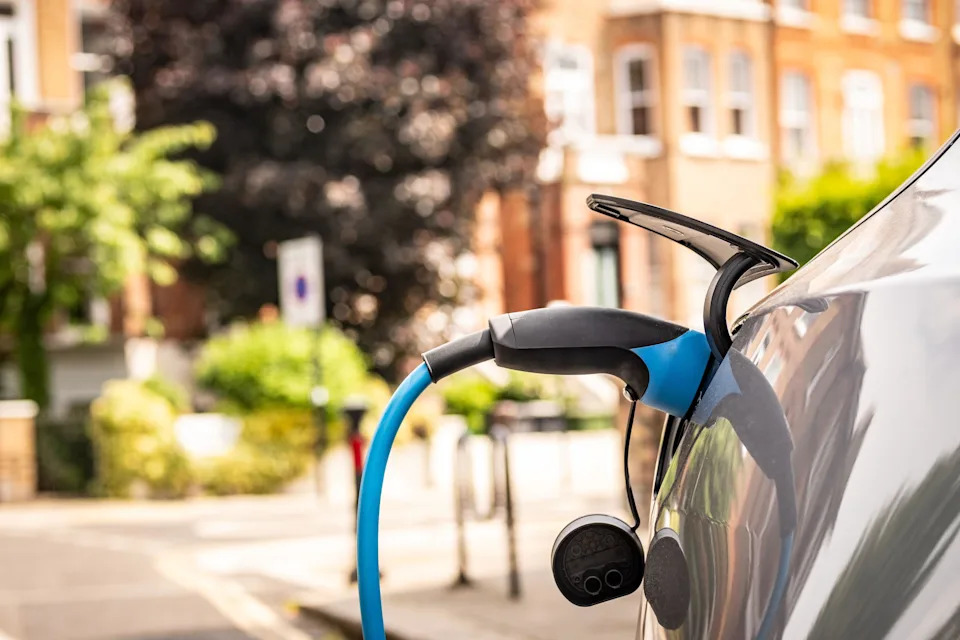
Owning an EV is still cheaper than a petrol or diesel in the UK. (PA)
He said: “Consumers and industry need certainty and long-term targets and incentives to help transform to a zero-emission future… any further diluting of targets is likely to backfire.”
Therefore, it is unlikely that EVs will become a bad purchase in the next few years, with the auto industry often operating on 10-year planning cycles, meaning any dramatic shift away from supporting them is unlikely.
Even a weakened ZEV mandate or a shift in the market from the EU would only slow down their eventual adoption, it is unlikely to ever be reversed.
The UK is also offering a range of discounts on the most efficient EVs, knocking almost £4,000 off the ticket price of several cars.
Chinese EV makers are also growing in popularity in the UK, with their cars often coming in cheaper than their competitors – making purchasing one more competitive than ever.
However, consumers should also consider that the UK is planning on introducing a new 3p per mile tax for electric cars in 2028 as it seeks to recoup losses from shrinking fuel duty receipts.
Vicky Parrot, editor for Electrifying.com, told Yahoo News the government feels like it is “simply giving with one hand and taking away with the other” when it comes to encouraging the adoption of EVs.
She said: “It’s confusing for buyers and for the industry, and it’s very damaging to the transition to EVs and to Britain’s wider automotive industry.”
But even with the new tax analysis by the Energy & Climate Intelligence Unit estimated the changes would mean electric vehicles would still be roughly £1,000 cheaper per year to run than their petrol counterparts.