
(Credits: Far Out / YouTube Still)
Thu 18 December 2025 8:00, UK
While in recent years, the art of the cover version has seen a slight decline in terms of frequency, during the 1950s and ‘60s, artists from the world of pop and rock were constantly having a crack at reinterpreting songs that had previously been released by others.
Considering people often claim that music was better during the older generations, it’s strange that so many covers were recorded during this period. While it may have been down to artists wanting to pay tribute to songs that they considered to be tremendous works of art, there’s an argument to be made that it would have been far greater to hear artists recording more of their own original material than relying on recycling songs that have been heard before.
It’s not necessarily that people have got better at songwriting since, but there seems to be more stock attached to the idea of producing original material, whereas it was commonplace for even the biggest artists of older generations to try their hand at reworking another song in their own style.
For example, all of the first four albums by The Beatles featured at least one cover of another older song, and while they would eventually drop this as a feature after the release of Help!, fans still enjoyed hearing their interpretations of songs such as Barrett Strong’s ‘Money’ and The Marvelettes’ ‘Please Mr Postman’ on their earlier records.
Other artists from this period were even more prolific in the art of covering, with large swaths of their records being dedicated to recording covers in order to make the process of completing an album smoother and quicker. If you don’t have to painstakingly work on your own material and try to perfect your craft, why not bolster the tracklist with a handful of tastefully cherry-picked covers?
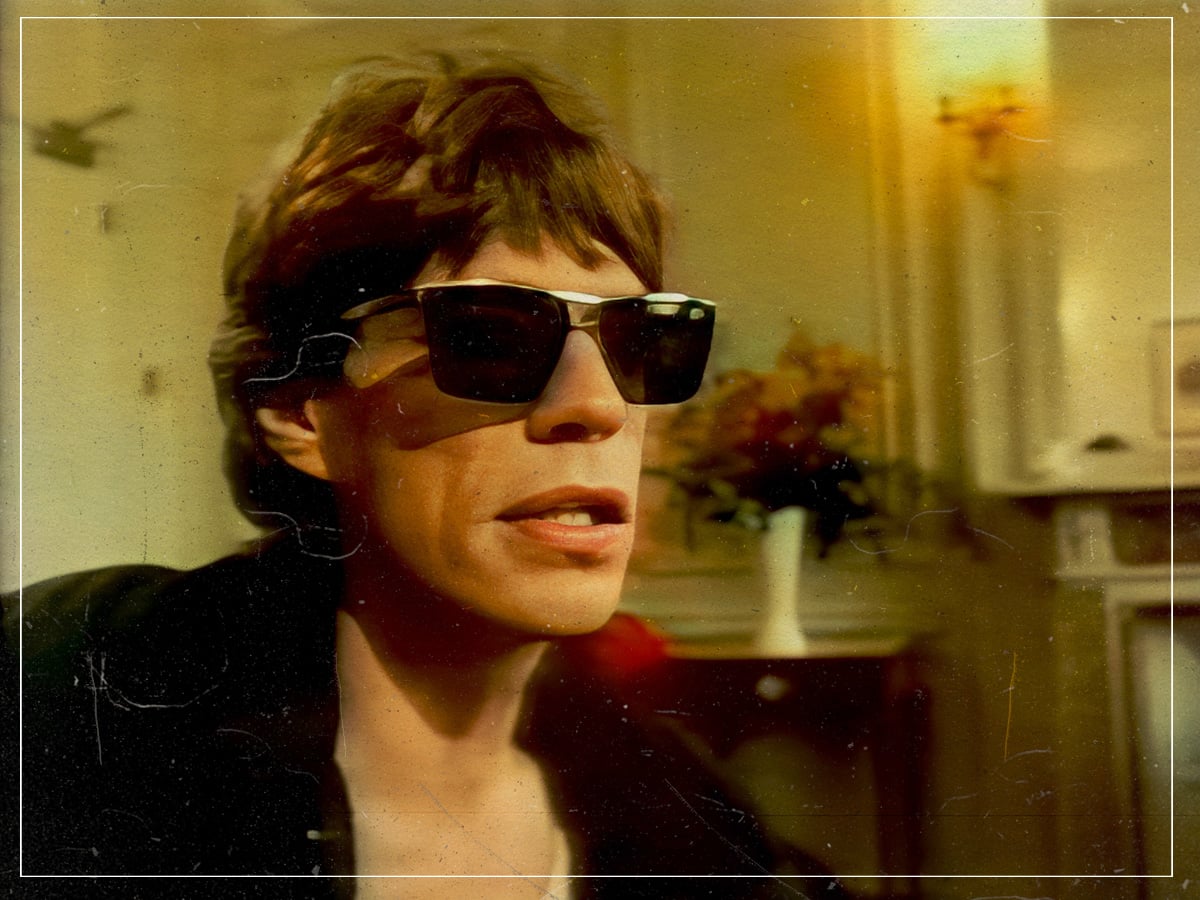
As much as this may have been the mindset of many acts, others weren’t necessarily fans of the idea quite as much, and while The Rolling Stones were known for having covered a number of songs on their early albums, Mick Jagger wasn’t exactly a fan of all of the ones they chose to record.
Their self-titled debut album, released in 1964, was littered with covers, with only the one song in ‘Tell Me (You’re Coming Back)’ having been written by what would become the band’s primary songwriting duo of Jagger and Keith Richards. The rest of the tracklist consisted mostly of blues and soul tracks that they were fans of, giving their interpretation on material originally performed by the likes of Chuck Berry, Marvin Gaye and Willie Dixon.
This was not, however, all to Jagger’s preference, and he questioned the necessity of recording a cover when there’s already a version good enough to be listened to. “What’s the point in listening to us doing ‘I’m a King Bee’ when you can hear Slim Harpo do it?” Jagger queried long after releasing the track.
Given how their version is almost a down-the-line cover of the original that only deviates in the form of a slide guitar solo from Brian Jones, you have to agree with Jagger to an extent, but perhaps had it not been for The Rolling Stones’ version of ‘I’m A King Bee’, British audiences may not have had their exposure to the song in the first place, given how Slim Harpo was never particularly known to audiences across the Atlantic. Even so, when the original exists, there’s no reason to ever tune in to The Stones copying it almost note for note.
Related Topics