
A big change is being made to the way No 10 communicates – this is why it matters to you
Downing Street says it is launching a significant shake-up of how it will communicate with the public – and it will impact how news reaches you.
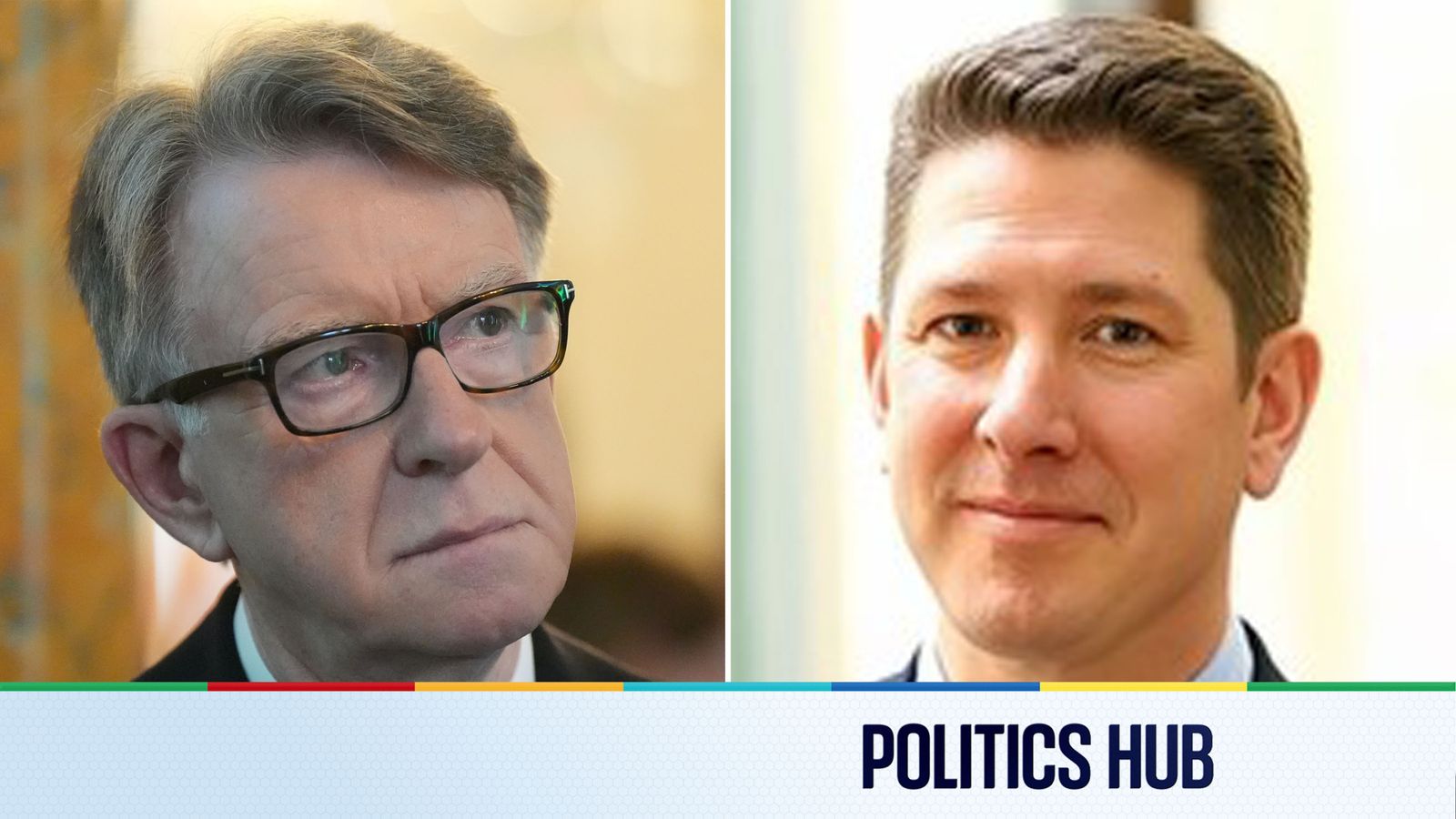
Number 10 executive director of communications Tim Allan argues the changes will make the process of briefing both journalists and the public “as efficient and as effective” as possible.
But senior political journalists have warned the reforms will “restrict access and… scrutiny”, and that it doesn’t “bode well for transparency”.
There will, however, be more “face time” with ministers, due to the introduction of infrequent morning press conferences.
So, what are the changes?
Currently, there are two daily briefings with the prime minister’s official spokesperson for political journalists in Westminster every working day.
From the first week of January, there will only be one – and sometimes, none at all.
That means we – and our political colleagues – will be able to bring you fewer updates each day, as the afternoon session of this is being scrapped.
Allan criticised this sitting for being “very sparsely attended” – though, it is useful for getting clarity on issues of the day, such as our post a little earlier regarding Number 10’s stance on suspending elections.
The second change is that instead of afternoon briefings, there will be “occasional” afternoon news conferences with ministers.
Allan has said these will see ministers set out new policies and take questions on it.
This should mean greater access to members of the cabinet or junior ministers than there is currently.
But Downing Street, in theory, will have the power to restrict who can ask the questions, as well as how long ministers can be quizzed for.
Currently, any political journalist can ask the PM’s spokesperson questions in the existing daily briefings, and the session runs as long as journalists have queries.
Under the new reforms, there will also be “occasional afternoon technical briefings” which journalists will be able to attend, where the media will be able to question “relevant officials” on detailed policy.
The third change is perhaps the most significant.
There will be a “series” of morning news conferences from Downing Street with ministers – again, securing the public more visibility with members of the government.
These morning press conferences could sometimes feature the PM too, Allan said.
Currently, the twice daily briefings are only open to a select group of political journalists, but the morning news conferences will be made accessible to content creators and sector journalists as well.
When there is a news conference, though, there will be no briefing – where journalists can ask the PM’s spokesperson about any issue.
What has the reaction been?
The outgoing and incoming heads of the Lobby – the group of political journalists who currently have access to the existing briefings – have condemned the move.
In a joint statement, David Hughes and Lizzy Buchanan, said: “We are greatly concerned by this step and furious that the lobby was not consulted about this move which restricts access and, we fear, scrutiny.
“Downing Street has promised more ministerial press conferences, but they will obviously control the timetable for those and will no doubt seek to choose who they take questions from.
“None of this bodes well for transparency from a government which came into office promising to raise standards.”